Inter's 2-0 Win at Venezia Exposes a Growing Attacking Problem
Inter needed two late own goals to beat Venezia despite dominating possession, raising questions about their post-departure balance.
- Match
- Venezia vs Inter
- Competition
- Serie A
- Kick-off
- October 28, 2026
- Status
- FULL TIME
- Score
- 0-2
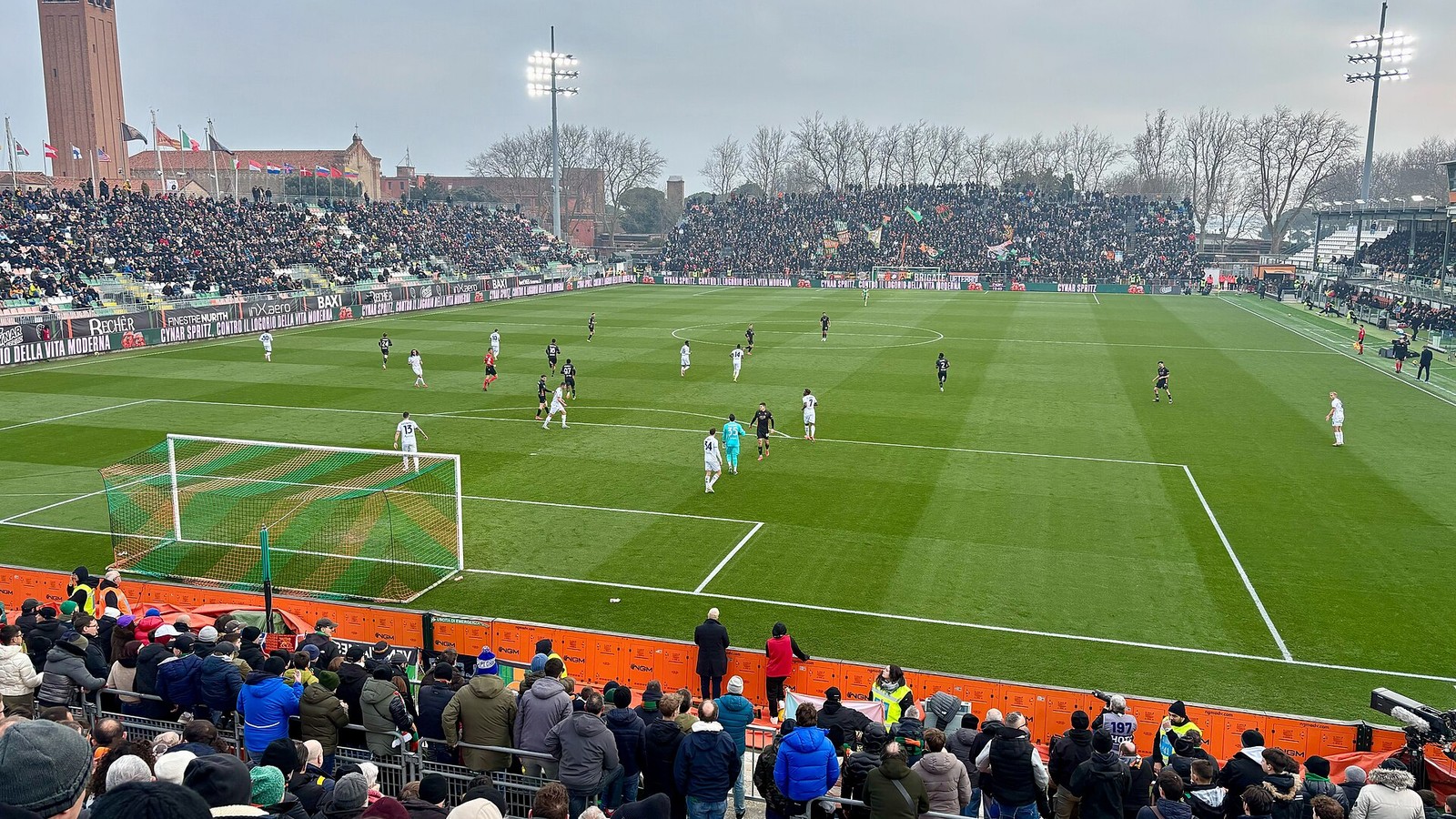
Inter Milan left Stadio Pier Luigi Penzo with a 2-0 win on 28 October, but the scoreline flatters them. Both goals were own goals — Matías Moreno in the 80th minute and Redouane Halhal in the 82nd — and they arrived after an evening in which Inter held 65% of the ball, took 16 shots to Venezia's 12, and registered 51 touches in the opposition box to Venezia's 17.
That is the shape of a team controlling territory without controlling the scoreboard. Venezia, by contrast, managed four shots on target to Inter's two. The expected goals tell a similar story: Inter's 2.02 against Venezia's 1.49 suggests a narrow edge in chance quality, not the chasm their possession and box touches imply. For a side level on points with Lazio at the top of Serie A and facing a derby against Milan next, the manner of victory matters.
Winning Without Convincing
This is not an isolated late escape. Inter needed two stoppage-time goals to beat Fiorentina 2-1 in their previous match. Against Venezia, the breakthrough came from Moreno turning the ball into his own net and Halhal doing the same two minutes later. Whether those own goals resulted from sustained pressure or fortunate deflections is a question the next matches will answer. What is clear is that Inter's shot-on-target conversion — two from 16 attempts — is not the profile of a team converting dominance into goals.
Cristian Chivu's side was missing Lautaro Martinez, Benjamin Pavard, Curtis Jones, John Stones and Luis Henrique. In their absence, Ange-Yoan Bonny partnered Marcus Thuram in attack, and Aleksandar Stankovic made his first Inter start in midfield against his brother Filip Stankovic in the Venezia goal. Chivu explained his lineup decisions, including that first start, but the attacking efficiency question lingers.
The broader context is a squad that has changed shape since the summer. Davide Frattesi, Sebastiano Esposito and Denzel Dumfries have departed, while Curtis Jones, Aleksandar Stanković, Yanis Massolin, John Stones, Manuel Akanji and Ivan Provedel have arrived. Whether those departures have altered the midfield or defensive balance that underpinned earlier successful periods is a fair question, though the evidence does not yet support a direct causal claim.
The Numbers Behind the Pattern
Inter's opposition-half passes in this match reached 412.0, against an average of 287.0 across their earlier 2026/27 matches in all competitions. Their touches in the opposition box were 51.0, against an average of 38.4. Yet their expected goals in this match were 2.02, against an average of 2.82 across those earlier matches. More ball in better areas, fewer clear chances. That is the opposite of what dominance should produce.
Either way, the pattern of late goals — two in stoppage time against Fiorentina, two own goals in the 80th and 82nd minutes here — suggests a team winning without controlling matches convincingly. Own goals are not a repeatable tactic, and treating them as such would overstate their significance. But the underlying numbers, particularly two shots on target from 16 attempts, are a warning sign.
Inter remain joint leaders with Lazio, and the derby against Milan will test whether this was a blip or a trend. The question for readers tracking their season is whether recent squad departures have shifted the balance that made earlier success possible, or whether Chivu's side is simply finding ways to win while missing key players. The next few matches will provide the answer.
Sources

Editor & Founder
Peter OlaleruPeter is the founder and editor of Measured Take and a cybersecurity professional. He leads our news, fact checks, sport and guides from around the world, with a particular eye on cyber attacks, data breaches, scams, AI and misinformation.
More from Sports
Conversation
Reader notes
Loading comments...