Why Trump used a Justice Department speech to challenge Newsom on 548 death sentences
Trump criticized Newsom’s plan to commute 548 death sentences in a Justice Department speech amid scrutiny of the department’s independence.
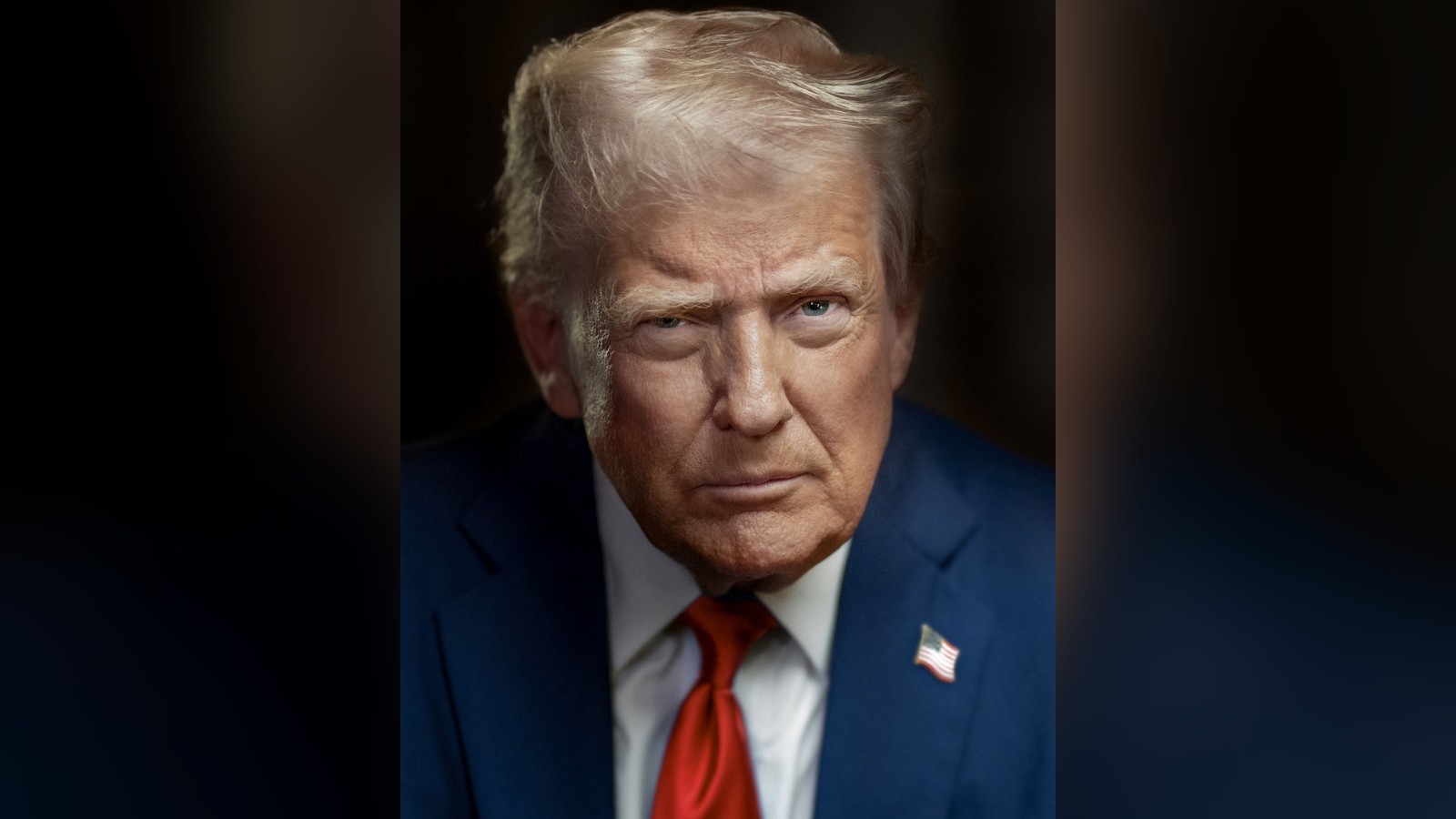
President Donald Trump used a speech at the Justice Department on Monday, November 23, to criticize California Gov. Gavin Newsom’s plan to commute 548 death sentences. The remarks brought a dispute over California’s death row into a federal institution already facing scrutiny over politically charged investigations and its independence.
Trump spoke in the department’s ceremonial Great Hall in Washington. The White House said families of murder victims would attend and that the event would focus on Newsom’s decision and public safety.
Newsom’s plan would change the sentences to life imprisonment without the possibility of parole. Most of the proposed commutations still require approval from the California Supreme Court, so the announcement does not mean all 548 sentences have been changed.
The White House framed the event around victims and the consequences of Newsom’s plan. Newsom responded by criticizing Trump’s use of the pardon power and saying justice should serve the public rather than political interests. The two statements set out competing arguments about the purpose and use of executive clemency, while the state court’s role remains a practical step in deciding whether most of the proposed changes take effect.
The setting gave the dispute a second dimension. The Justice Department is the federal government’s central law-enforcement institution, and the administration has faced scrutiny over legal moves against people Trump regards as political rivals or adversaries. That scrutiny raises questions about how the president uses the department’s platform, even when the stated subject of an appearance is a state criminal-justice policy.
The speech does not establish that the department is investigating Newsom. The issue on Monday was Trump’s criticism of the governor’s commutation plan, not a reported federal case against him. Keeping those matters distinct is important: a president’s public attack on a political figure is not, by itself, evidence of a Justice Department investigation into that person.
The political context was hard to separate from the choice of target. The Washington Post characterized Newsom as a potential 2028 contender and reported that Trump used the speech to attack him. That places the governor in the frame of a national political dispute, but it does not amount to a formal declaration of candidacy.
The competing explanations for the event are not mutually exclusive. The White House said victims’ families would be present and presented the speech as a response to a consequential policy decision. At the same time, Trump’s public criticism of a governor described as a possible future rival took place inside a federal department whose handling of politically sensitive legal matters is already under scrutiny.
The department’s independence is therefore part of the story, but the speech alone does not resolve questions about it. The concerns arise from the broader scrutiny of the administration’s legal moves against perceived adversaries. The speech makes those concerns more visible because a political dispute was brought directly to the department’s headquarters, not because the appearance itself proves that officials acted improperly.
The commutations also remain subject to California’s process. The state Supreme Court must approve most of them, meaning the next concrete development will depend on how that review proceeds. Until then, Trump’s criticism and the White House’s public-safety framing concern a proposal whose largest portion is not yet final.
The episode joins two different kinds of authority: California’s process for changing death sentences and the president’s use of a federal institution to make a political argument. The first has a defined next step in court. The second leaves a question about how the Justice Department’s public platform is being used while its independence is under debate. Monday’s speech put both issues before the public, without settling either one.
Sources
More from Politics


Conversation
Reader notes
Loading comments...