Burnham Bets He Can Take Back Control of the Brexit Argument
Six former prime ministers warned Andy Burnham against reopening Brexit. He signed new EU deals anyway, and is borrowing Leave's own slogan to make his case.
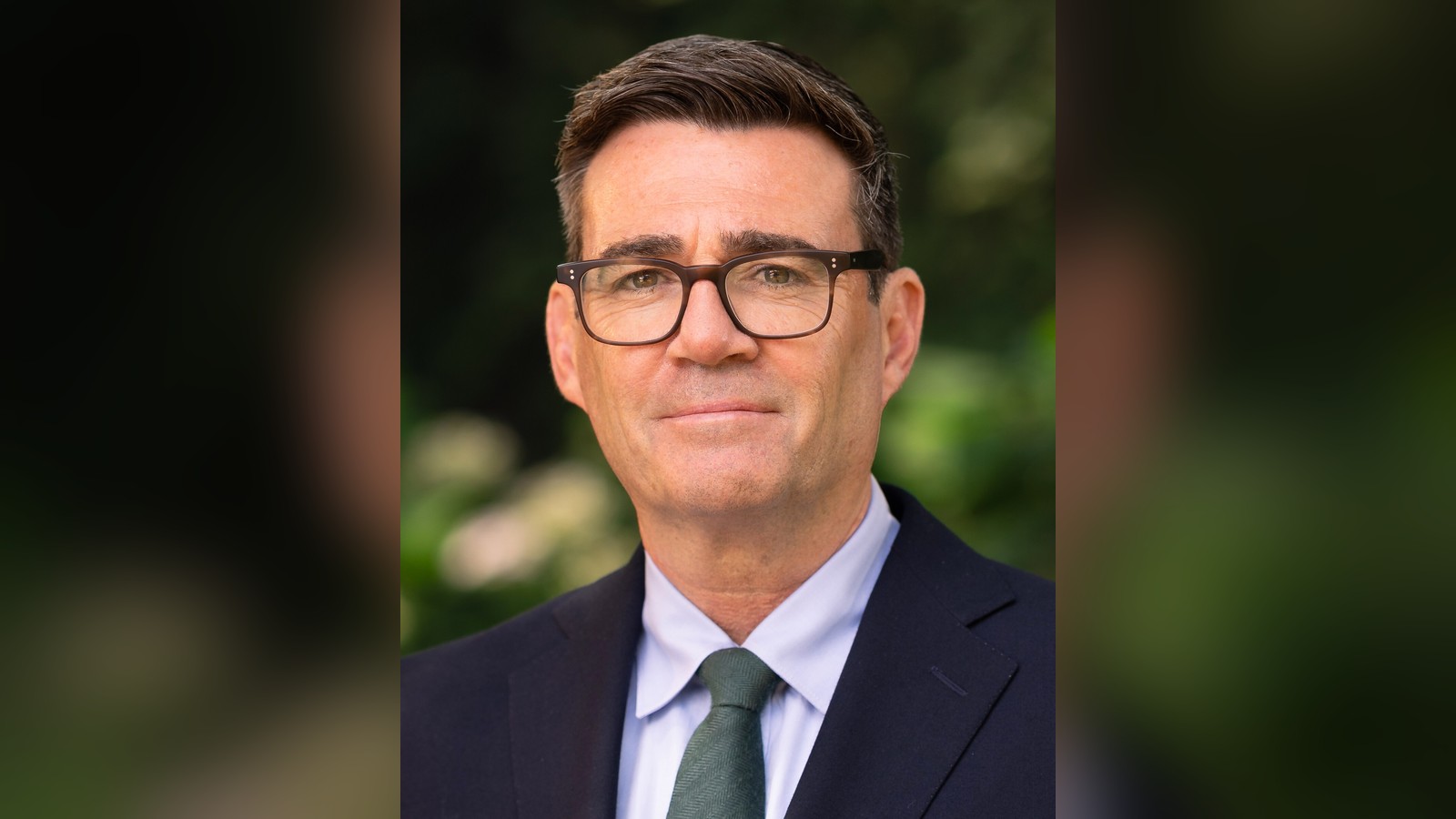
Andy Burnham signed three agreements with the European Union in Brussels on 20 November, then spent the following days being told by six of his predecessors to stop talking about Brexit. He has not stopped.
The summit, the second between the UK and the EU since Britain left the bloc, produced deals on food and agricultural trade, emissions trading, and a youth mobility scheme that would let up to 100,000 young adults from each side live and work in the other country for up to three years. Burnham called it a landmark moment and said the agreements would add £17 billion to the UK economy, a figure that is the government's own estimate rather than an independent assessment.
Theresa May, who led the exit negotiations from 2016 to 2019, said people voted for Brexit, that Brexit is done, and that Burnham should accept it and move on. Boris Johnson and David Cameron also urged Burnham not to reopen the question. Tony Blair argued Britain should only rejoin if the EU reforms. Nigel Farage's Reform UK was preparing to oppose the reset, with Farage due to say that going backwards into the EU's orbit would be a disaster for British businesses.
Public opinion on EU rejoining, 2026
Majorities favour rejoining the EU, but support falls to 35% if it means surrendering opt-outs on the euro and Schengen.
Burnham's response has been to keep the door open while ruling out walking through it soon. He has said all options are on the table, including rejoining, but has ruled out major changes before the next general election, sticking to Labour's 2024 manifesto red lines on the single market, customs union and freedom of movement. In September he said he would like to see Britain rejoin the EU in his lifetime. He has said both sides would seek an informal brainstorming process on options for the long-term relationship, with discussions over the next 12 months.
The sharper political move is rhetorical. Burnham is expected to repurpose the Leave campaign's take back control slogan, arguing that since Brexit the country has had to follow rules it cannot influence. That inverts the 2016 framing without abandoning its emotional claim. It also puts the former prime ministers in the position of defending a status quo they once either negotiated, supported or accepted, while Burnham presents himself as the one restoring control rather than surrendering it.
His own cabinet was given no warning of the plan to reboot the Brexit debate, and several members believe it is politically unwise. That detail matters more than the criticism from former leaders, who no longer hold office. A prime minister can absorb attacks from predecessors. A prime minister whose own ministers were caught off guard is managing a different problem: whether the government can hold a single line on Europe while the question is reopened.
Burnham became prime minister in July 2026, the seventh person to hold the office since 2016. He has compared the Brexit outcome to The Emperor's New Clothes, said Brexit was the first domino to fall in a global move toward isolationism and protectionism, and said Russia wanted disunity within NATO and a weaker Europe. Those are not the remarks of a leader trying to close a debate down. They are the remarks of one testing whether the taboo on reopening it has broken.
The polling gives him something to work with. Ipsos found in June 2026 that 52 percent favoured rejoining the EU, rising to 58 percent among likely voters. YouGov found 57 percent believed leaving was the wrong decision and 55 percent supported rejoining. But support falls to 35 percent if rejoining would mean surrendering Britain's opt-outs on the euro and Schengen. That gap is the trap. Voters may tell pollsters they regret Brexit without wanting the specific costs that reversing it would carry.
The deals signed in Brussels still have to survive ratification and implementation. The youth mobility scheme, the food and agricultural agreements and the emissions trading arrangements could each run into disputes. Burnham has committed to discussing long-term options over the next 12 months without committing to a destination. Whether he formally backs any path toward rejoining, or keeps it as an option indefinitely, is not yet known. Neither is how divided his cabinet and party are on the question, or whether pro-Brexit forces can mount an effective counter-movement.
What is established is the sequence. A prime minister signed agreements with the EU, said Brexit has not worked, and is now borrowing the language of the campaign that took Britain out to argue for moving closer. Six former prime ministers told him to stop. He has not said he will.
Sources
More from Politics


Conversation
Reader notes
Loading comments...