Two Hearings, One Pattern: Congress Is Losing Patience With the Pentagon
Hegseth faced his first Iran war grilling. A Navy nominee faced bipartisan anger over sailor welfare and silence. The common thread: a Pentagon that stopped...
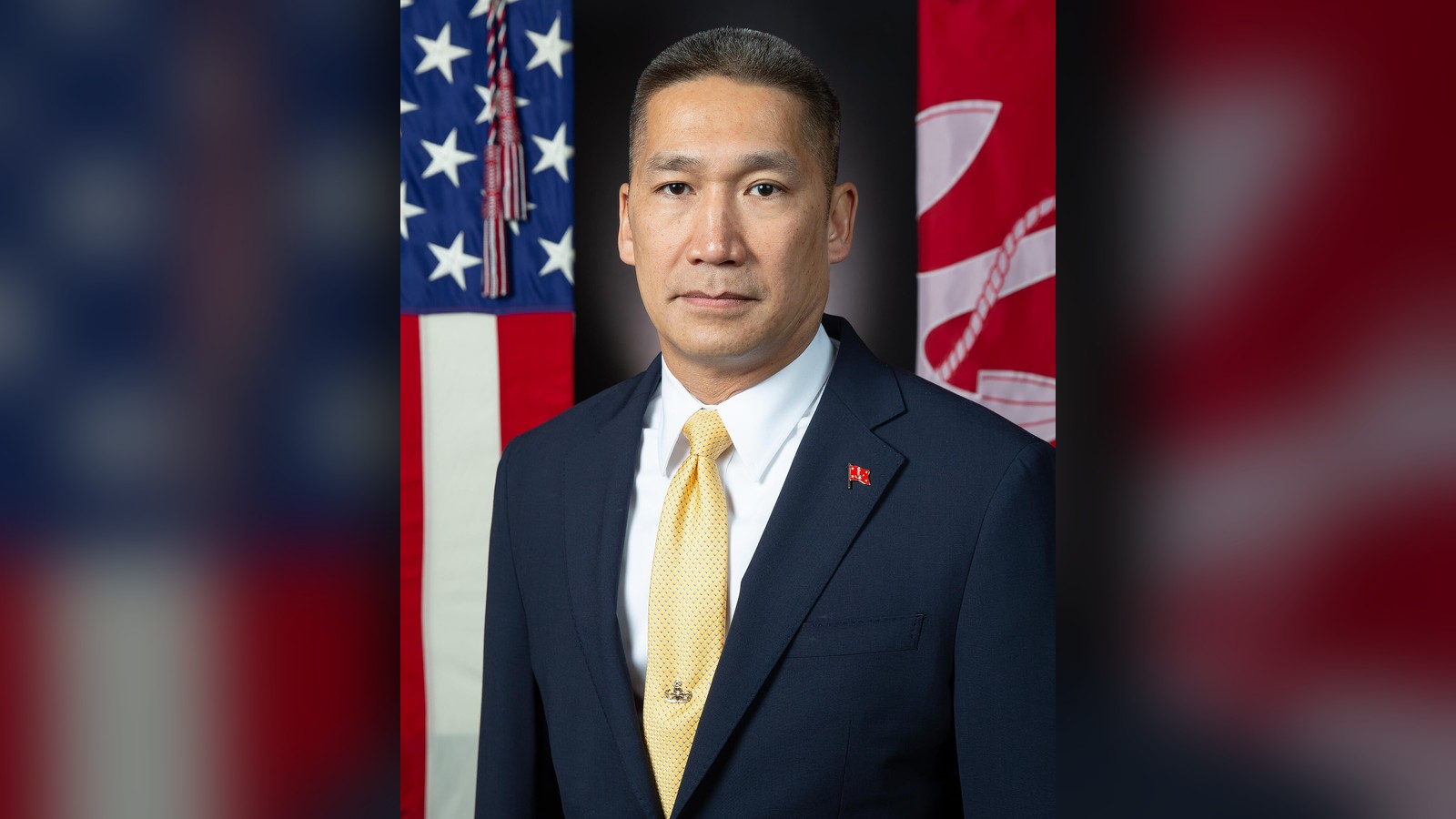
Pete Hegseth walked into Congress this week for the first time since the Trump administration went to war with Iran. He walked out with his Republican support intact, but not without a few cracks showing.
The Secretary of War faced skeptical Democrats across a pair of hour-long hearings, according to accounts of the sessions. The questions centered on the war itself and on his dismissal of a top Army general.
When members of the president's own party start asking about civilian casualties, it signals that the war's conduct is no longer a partisan issue. It is becoming a conscience issue.
Costs associated with the Iran naval conflict
The daily blockade cost of $32.5 million is far smaller than the $400 million damage from Iranian strikes.
Figures in million $
The topics ranged from the Iran war's toll on sailors to extended deployments, mental health, shipbuilding delays, and the Navy's failure to tell Congress when leadership aboard a nuclear submarine was removed.
Sen. Mike Rounds, a Republican from South Dakota, raised concerns about Democrats being excluded from classified briefings. Cao pledged to improve communication. That pledge came after Sen. Jeanne Shaheen, a New Hampshire Democrat, pressed him on a lack of transparency surrounding $65 million in budget shortfalls at Portsmouth Naval Shipyard. Cao told her he had failed to provide answers and committed to finding out within a week.
The hearing also exposed raw divisions over how the Navy treats its people. Sen. Richard Blumenthal, a Connecticut Democrat, cited eight suicide attempts across a carrier strike group and said they raised questions about the consequences of extended deployments. He told Cao his conduct left the clear impression that he simply did not care, pointing to the USS Abraham Lincoln's nearly 11-month deployment, which ran well past its planned seven months.
Cao characterized the eight suicide attempts among sailors in the Lincoln's strike group as evidence of successful intervention rather than failures in mental health support. Sen. Kirsten Gillibrand, a New York Democrat, called his response inhumane and inadequate.
Sen. Mark Kelly, an Arizona Democrat, said his office is hearing concerns about conditions aboard the USS George Washington and the Boxer Amphibious Ready Group, including a parent who reported their child lost more than 45 pounds in six months due to lack of food and hygiene supplies.
The numbers behind the war are equally uncomfortable. Sen. Elizabeth Warren, a Massachusetts Democrat, noted that the naval blockade on Iranian shipping costs about $32.5 million a day. Iranian strikes on the Navy's regional headquarters in Bahrain did at least $400 million in damage. Cao confirmed the daily blockade cost but said he could not offer a full damage assessment because the area is nonpermissive for U.S. access.
Cao acknowledged the war is a strain on the Navy. He also insisted it set China back on its heels. Both things can be true. The question senators kept returning to is whether the strain is being managed or ignored.
His recent active-duty service requires a congressional waiver because he retired from the Navy in 2021, less than seven years ago. He previously appeared before the committee in June 2025 for a different post and was confirmed in October 2025.
It is a pattern. A Pentagon that goes to war, fires senior officers, and then struggles to explain itself to the branch of government that funds the war and confirms its leaders.
The timing sharpens the stakes. Republicans lost the House and Senate in the midterm elections, widely seen as a repudiation of the war. Democrats will control Congress in January. The Trump administration has proposed a record $1.5 trillion defense budget for fiscal 2027, including $1.15 trillion in discretionary funding and an additional $350 billion through reconciliation. Senate Majority Leader John Thune declined to say Monday whether a defense-only reconciliation bill is being pursued.
A Congress that feels kept in the dark is a Congress that asks harder questions about money. The Hegseth hearings showed that even Republican support comes with conditions. The Cao hearing showed that those conditions include basic competence in communication and a willingness to answer for the human cost of deployment.
Cao said if confirmed, he is prepared to work with all senators on three priorities: take care of sailors and marines, advance shipbuilding, and defend the homeland. Senators will judge him on whether the first priority gets more than a pledge.
Sources
More from Politics


Conversation
Reader notes
Loading comments...