Duterte's Defense Tells ICC: Homicide Rate Shows No Crimes Against Humanity
Duterte's lawyers argue national homicide rates undermine crimes against humanity charges. ICC confirmed charges in April; trial set for November 30.
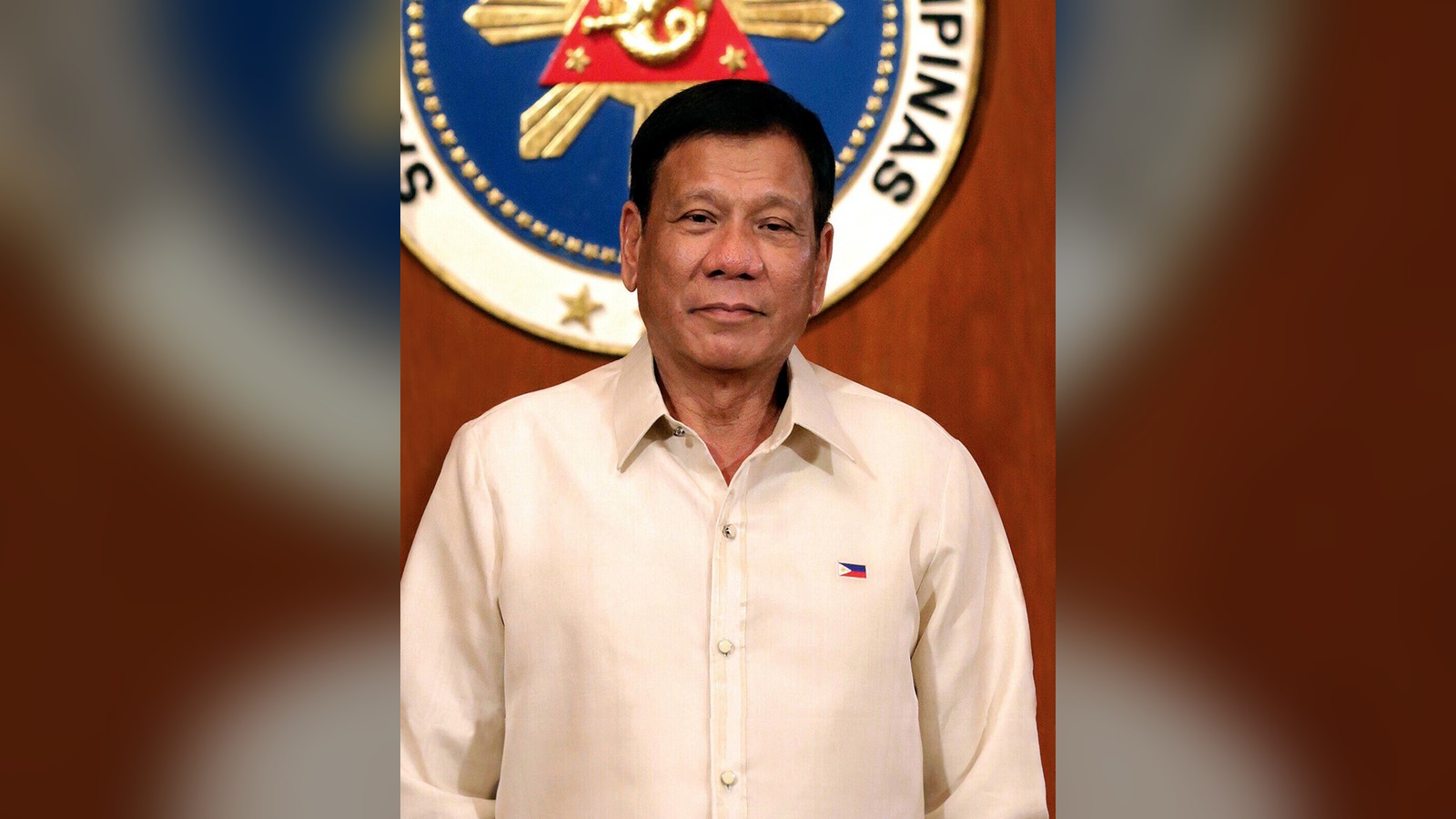
Rodrigo Duterte's defense counsel filed a 77-page pretrial submission on November 26, 2026, arguing that crimes against humanity were not committed in the Philippines during the period covered by the International Criminal Court case. The filing, submitted through counsel Peter Haynes, contends that none of the five elements of crimes against humanity apply and that the alleged acts did not meet the minimum quantitative threshold the defense attributes to Article 7 of the Rome Statute.
At the center of that argument is a comparison of national homicide rates. The defense cited Philippine rates of approximately 5.16 per 100,000 people in 2018 and 4.3 per 100,000 in 2019. It compared those figures with a stated global average of 6.1 per 100,000 in 2019. The filing also said the Philippine numbers roughly aligned with United States rates of 4.89 per 100,000 in 2018 and 4.93 in 2019, and it compared the 2019 Philippine rate with rates it attributed to Mexico, Nigeria, Jamaica, and Trinidad and Tobago.
The filing is a defense argument, not a court finding. Its comparison of national homicide rates with rates elsewhere is one way the defense contests whether the legal elements of crimes against humanity are met. The ICC proceedings will address the allegations and evidence in the case.
The court had already moved the case forward. ICC judges confirmed all crimes against humanity charges against Duterte on April 23, 2026, and sent the case to trial. Pretrial judges found substantial grounds to believe Duterte committed crimes of murder and attempted murder as mayor of Davao City and later as president. The trial is scheduled to begin on November 30, 2026.
The confirmed charges relate to the anti-drug campaign between November 2011 and March 2019. The ICC investigation, authorized in September 2021, concerns alleged crimes in the Philippines from November 1, 2011, to March 16, 2019.
At the confirmation hearing, the prosecution presented three counts involving 49 specific incidents and 78 victims, while describing its lists as non-exhaustive. That detail matters to the defense's homicide-rate argument. The case before the court concerns alleged crimes linked to specific killings and an alleged policy, not the country's overall murder statistics. A national rate aggregates thousands of deaths across many causes and contexts. The charges focus on particular incidents and whether they formed part of a widespread or systematic attack against a civilian population.
The defense filing argues that the scale of killings in the Philippines was not exceptional by global standards. Whether that argument addresses the legal elements of crimes against humanity is a question for the judges. The Rome Statute's Article 7 requires that alleged acts be committed as part of a widespread or systematic attack directed against a civilian population, with knowledge of the attack. The defense says the quantitative threshold is not met. The prosecution has described its incident list as non-exhaustive, suggesting the full scope of alleged conduct may extend beyond the 49 incidents presented at confirmation.
Separately, the ICC unsealed an arrest warrant on May 11, 2026, for Ronald Marapon Dela Rosa. The warrant had been issued secretly on November 6, 2025. The ICC said Dela Rosa is alleged to have committed crimes against humanity involving at least 32 killings between July 3, 2016, and the end of April 2018. He served as chief of the Philippine National Police from July 1, 2016, to April 19, 2018, according to the ICC. The court found reasonable grounds to believe Dela Rosa was allegedly responsible as an indirect co-perpetrator for murder as a crime against humanity. The ICC's account describes an alleged common plan to kill people perceived or alleged to be linked to drugs lasting approximately from November 1, 2011, to March 16, 2019.
Duterte was arrested in Manila on March 11, 2025, and has been detained in The Hague. He served as president of the Philippines from 2016 to 2022.
The defense's homicide-rate comparison does not resolve whether crimes against humanity occurred. It contests one element of the legal test. The ICC has already confirmed the charges after finding substantial grounds to believe the alleged crimes were committed. The trial will examine the evidence, including the specific incidents and the alleged policy behind them.
Human Rights Watch said in a November 2026 report that Philippine authorities have made little progress investigating drug-war killings, citing four cases advanced by a Justice Department task force and five convictions involving nine officers. The report cited estimates of 20,000 to 30,000 deaths associated with the drug war. It also said at least 1,342 publicly reported drug-related deaths had occurred since Ferdinand Marcos Jr. took office, with 486 attributed to uniformed officers. Human Rights Watch said it interviewed 13 people between September and November 2026 for the report. Families seeking justice described barriers including weak witness protection and having to shoulder much of the work of gathering evidence.
Those estimates are not a count of documented human rights violations. They are estimates of drug-war deaths. The distinction matters because the ICC case concerns specific alleged crimes, not aggregate mortality.
The trial is scheduled to begin on November 30, 2026. The prosecution and victims' representatives will have the opportunity to respond to the defense's homicide-rate comparisons. The judges will assess the filing's argument about the scale and pattern of alleged acts alongside the evidence concerning specific incidents. Whether the trial begins as scheduled remains to be seen.
Sources
More from Politics


Conversation
Reader notes
Loading comments...