Trump's Pete Rose pardon doesn't touch the MLB ban keeping him out of Cooperstown
Trump's posthumous pardon covers Rose's 1990 tax conviction, not the 1989 MLB gambling ban that actually keeps him out of the Hall of Fame.
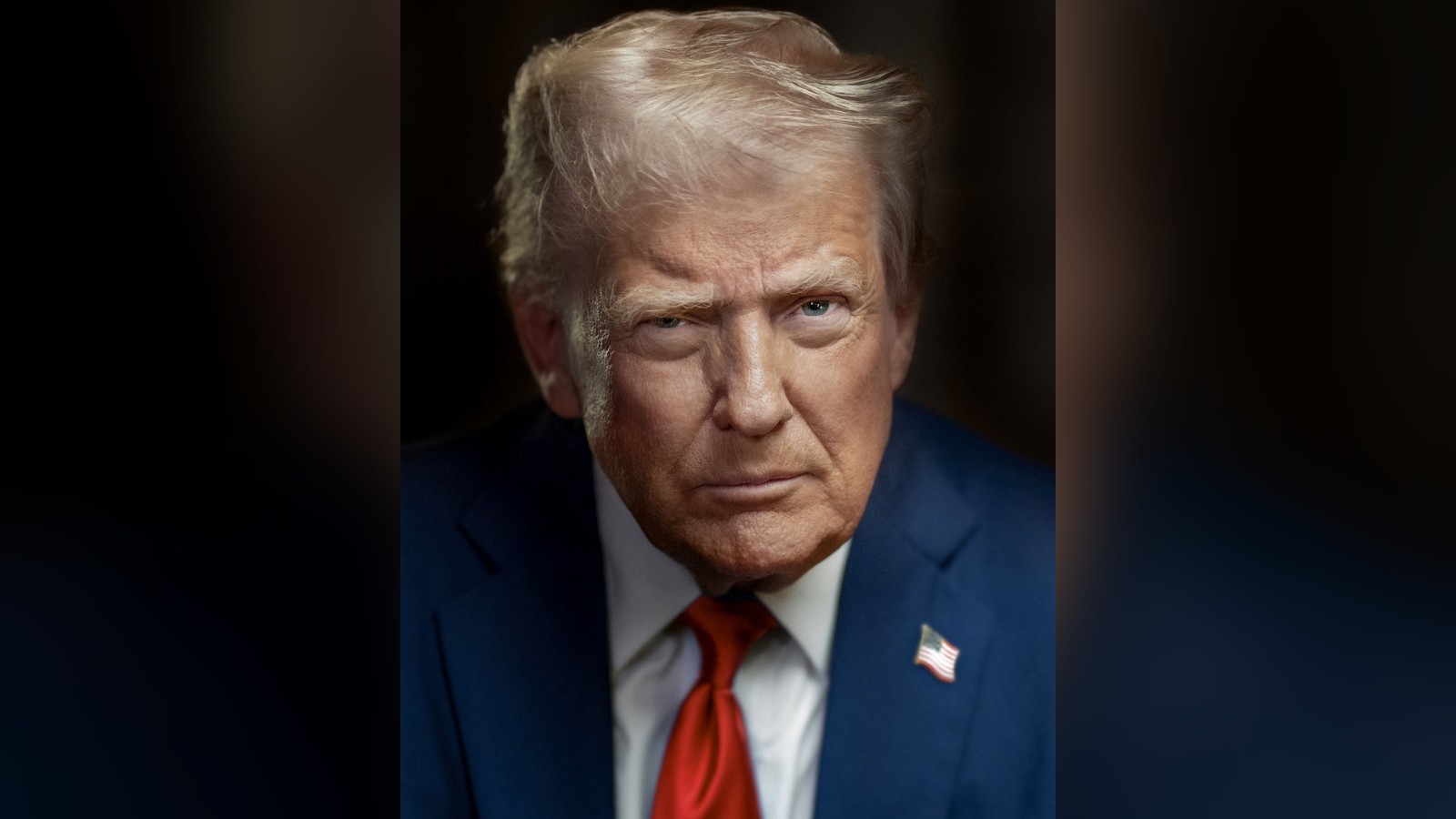
President Donald Trump announced a posthumous pardon for Pete Rose on Truth Social on Thursday, November 19, 2026, calling him a "true Baseball SUPERSTAR & LEGEND." The pardon covers Rose's 1990 federal conviction on two counts of filing false tax returns, for which he served five months in prison. It does not touch the reason Rose is not in the Baseball Hall of Fame.
Rose accepted a lifetime ban from Major League Baseball in 1989 after an investigation found he bet on games, including on the Cincinnati Reds while playing for and managing the team between 1985 and 1987. That ban was a baseball disciplinary action, not a criminal conviction, and presidential pardon power does not reach it. The ban was posthumously lifted last year, making Rose eligible for the Hall of Fame. He died in 2024 at 83.
The pardon's practical effect is limited to the tax evasion conviction. As The Washington Post noted, the pardon is unlikely to affect his Hall of Fame case because the tax evasion is not the reason he has not been enshrined. Trump also criticized MLB for excluding Rose, comparing his treatment to that of Roger Clemens.
The announcement itself contained a factual error. Trump's post initially said Rose's "record of 4,256 Hits in a Season will never be broken." The 4,256 figure is Rose's career total, not a single-season record. The post was later edited to correct the mistake.
The episode highlights the unusual intersection of presidential power and sports legacy. A pardon can erase a federal conviction; it cannot rewrite a sport's disciplinary record. Rose remains outside Cooperstown because of the gambling ban, and the pardon does not change that.
Sources
More from Sports



Conversation
Reader notes
Loading comments...