Nigeria's Flamingos Won the World Cup. Now Comes the Hard Part: Paying 21 Teenagers.
Nigeria's Under-17 women won the World Cup on November 7. Federal bonds, Lagos cash, and MTN data raise questions about compensating young champions.

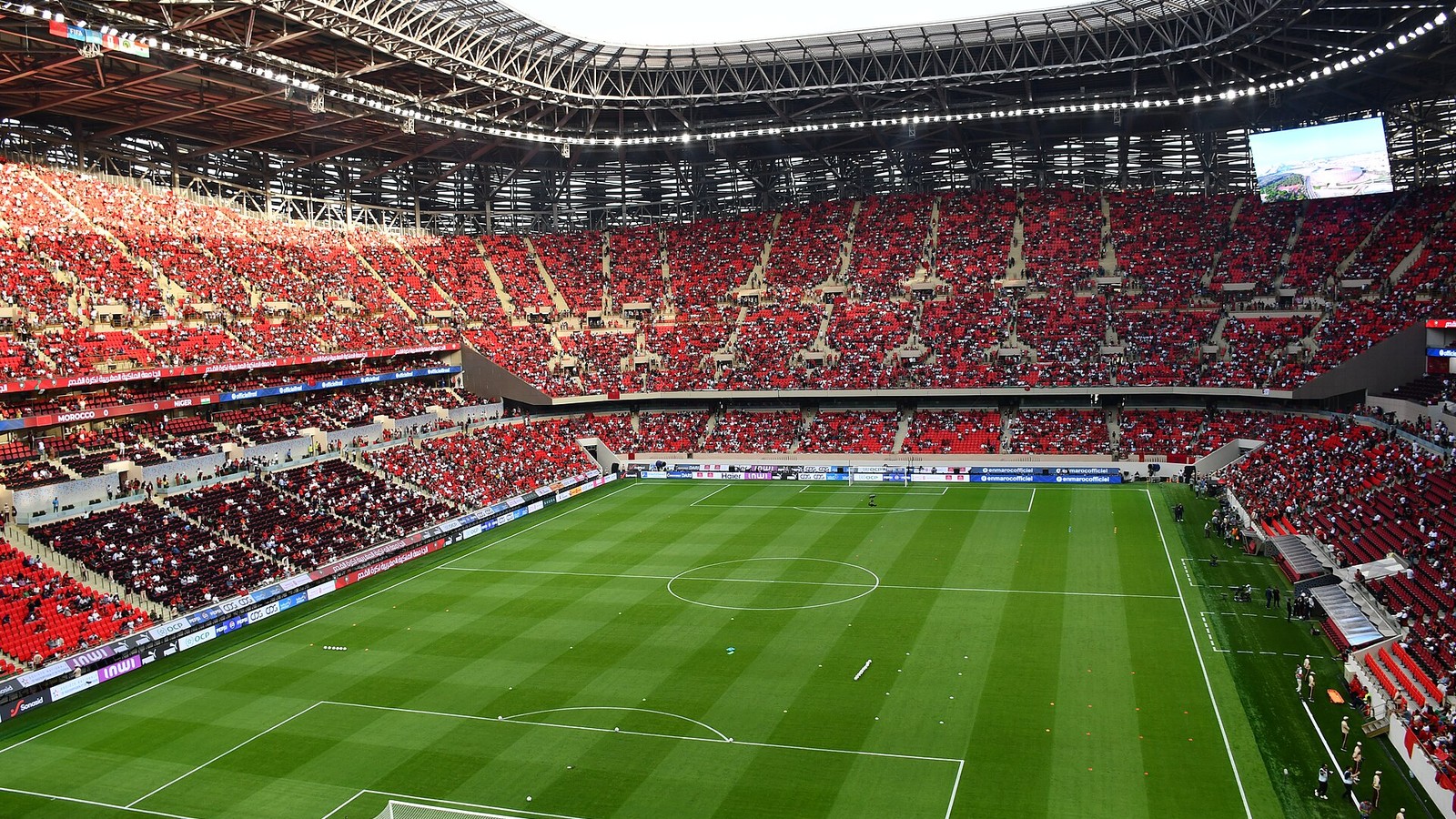
Nigeria's Under-17 women's team beat Japan 2-1 in Rabat on November 7 to win the FIFA U-17 Women's World Cup. The Flamingos became the first African team to win the tournament.
At a presidential reception in Abuja on November 18, First Lady Oluremi Tinubu announced that President Bola Tinubu approved N100 million in government savings bonds for each player. The players' money comes through five-year Federal Government Savings Bonds, with the principal preserved while they earn monthly returns.
Unlike previous presidential rewards to Nigerian athletes, this one routes teenage champions into a long-term instrument rather than a lump sum. The players are under 18. The bonds mature in five years.
Lagos State moved separately. Governor Babajide Sanwo-Olu hosted the team on November 15 and announced a N300 million package: N10 million each for 21 players and nine coaching and backroom staff, plus iPhone 17 Pro Max devices and headphones for the players.
MTN Nigeria added N150 million in cash and one year of free data. Each of the 21 players receives N5 million from that corporate package.
A single player stands to receive N100 million in bonds, N10 million in state cash, N5 million from MTN, a phone, headphones, and a year of data. The coaching staff's federal cash — N100 million for Busari, N50 million each for assistants — is not structured as bonds.
What is clear: Nigeria has chosen a hybrid model for compensating under-18 world champions — part deferred, part immediate, part corporate. Whether that model protects the players or simply delays the same windfall problem by five years is the part that will be answered when the bonds mature.
Sources
More from Sports

Conversation
Reader notes
Loading comments...