Trump Offers Huang a Pardon He May Not Need, Days Before China Chip Testimony
Trump says pardoning Jensen Huang is 'always an option' if he faces charges, days before the Nvidia CEO testifies to Congress on chip exports to China.
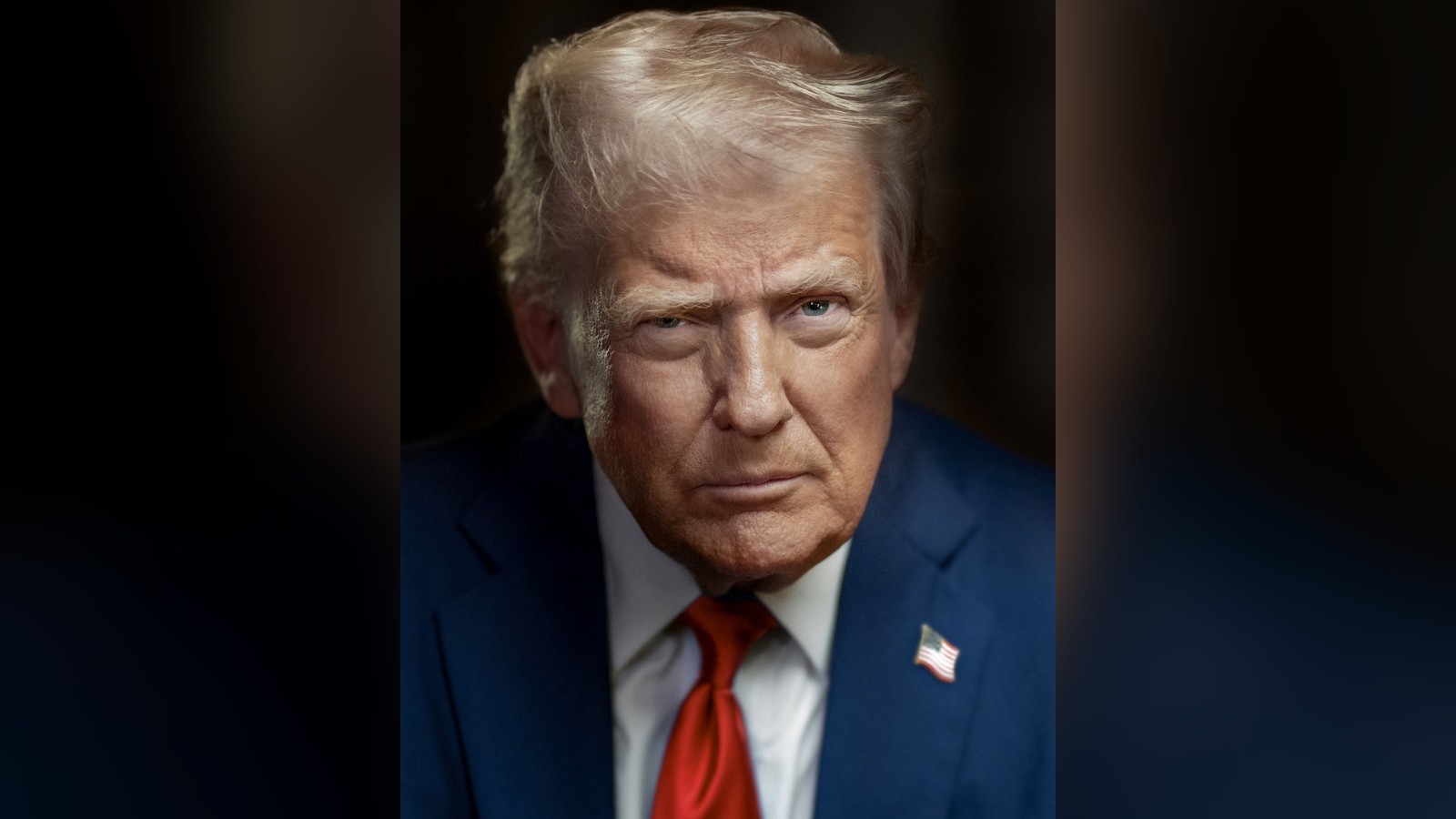
Donald Trump said pardoning Nvidia chief executive Jensen Huang is "always an option" if he faces criminal charges, but added he does not think it will be necessary. The remark came in a New York Post interview published on November 25, 2026, two days after Huang returned to lead the chipmaker and days before he is due to testify before Congress.
Trump also urged Huang to tell the truth in that testimony, saying he has always found Huang to be "100% aboveboard." He said he does not think Huang needs to invoke the Fifth Amendment, calling the prospect "an interesting story for people."
Huang returned as CEO on Monday, November 23, after a nearly two-week absence that followed revelations of extramarital relationships, including one with a woman accused of being a Chinese intelligence asset. He has apologized to employees, admitted violating Nvidia's code of conduct, and said he is attending daily therapy.
He said in a CNBC interview that he spoke to Nvidia's board and "convinced them" to reinstate Huang, and that he assured directors Huang posed no national security risk. He argued it would be a "bigger threat" for Nvidia to lose Huang's "brain power" in the AI race, and warned that if the company picked "the wrong person" to replace him, "that would be a terrible thing for our country in many ways."
Nvidia has previously said that, following input from the US government, its board was confident Huang's reinstatement posed no national security risk.
Trump did not describe any specific charge he might pardon, and he said he had not closely examined all the personal matters Huang disclosed before returning. He also indicated he had not received information suggesting Huang had relationships with other women who had questionable connections to Beijing.
What Huang faces instead is congressional scrutiny. He is scheduled to speak with the House Foreign Affairs Committee on Tuesday and to attend a Senate Banking Committee hearing next Thursday, December 3. The hearings concern Nvidia's chip exports to China and whether the company raised national security concerns.
Lawmakers from both parties have criticized the reinstatement. Senate Minority Leader Chuck Schumer accused Huang of shipping "extremely advanced chips to China" and violating US export control laws, calling it "the equivalent of selling rocket engines to the Soviets during the space race." Chris Van Hollen said Huang's reinstatement is "exhibit A" of "political corruption and rot at the heart of the Trump administration's big tech and AI policy," and intends to focus on Huang's "efforts to increase and accelerate the export of high-end chips to China" at the Senate Banking Committee hearing.
Nvidia and Huang are also facing several state and federal investigations or reviews involving the FBI, the Justice Department, and the Securities and Exchange Commission.
The market has registered the governance and political risk. Nvidia shares surged nearly 31% on the day Huang returned, then fell by more than 7% during Tuesday's trading session, with one report putting the decline at 5.9%. The company's market value has dropped by nearly $2 trillion from its record high reached in October.
The political logic is not complicated. Trump has tied his fortunes to the AI boom, and Nvidia sits at the center of it. By intervening with the board and now floating a pardon, he is signaling that Huang's leadership is a national asset rather than a liability to be managed. Critics see the same actions as political corruption and a national security risk.
What happens next is concrete. Huang appears before the House Foreign Affairs Committee on Tuesday and the Senate Banking Committee on December 3. His testimony will test whether the protection Trump has extended holds, and it will feed directly into the debate over US chip export policy toward China. Whether Huang answers questions directly or invokes the Fifth is his call, and Trump has said he does not think it will be necessary.
Sources
More from Politics


Conversation
Reader notes
Loading comments...