Nvidia's Jensen Huang faces four committees over who in government vouched for him
Jensen Huang returns as Nvidia CEO after a foreign-intelligence scandal. Congress wants to know who in government vouched for him.
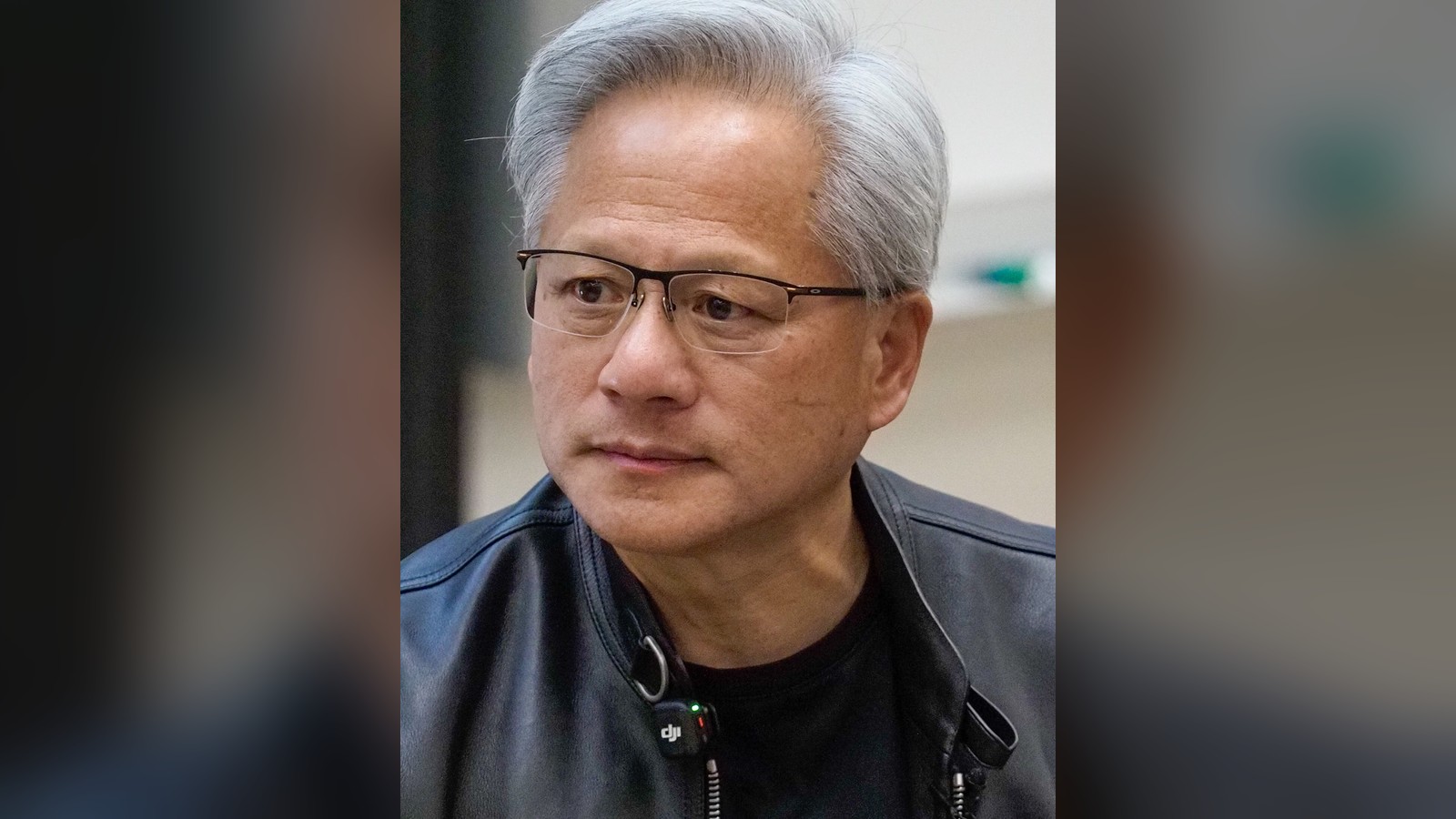
Jensen Huang is back as Nvidia's President, CEO and Board Director. The board reinstated him unanimously on November 23, effective immediately, eleven days after he resigned amid a scandal involving at least two extramarital affairs. One of those affairs was with a woman US officials suspect of working for Chinese intelligence. That suspicion is unproven, and Huang has not been accused of any crime.
The board's stated basis for concluding his return poses no national security risk was "input from senior levels of the United States government." It did not name the officials. President Trump said he convinced the board to take Huang back, telling reporters he "made the deal" and that he "gave them assurances, at least everything we knew" that the CEO's return was not a risk.
Now Congress wants the receipts. Huang is scheduled to appear before three House committees on December 1 behind closed doors, with his interview transcribed: Foreign Affairs, the Select Committee on the CCP, and the Select Committee on Intelligence. On December 3 he is due before the Senate Banking Committee in a public hearing on oversight of US export controls, the jurisdiction that governs whether advanced AI chips reach foreign governments and militaries. The hearing was announced by Banking Committee chairman Tim Scott.
Number of committees hearing Jensen Huang
Huang is scheduled to appear before three House committees on December 1 and before the Senate Banking Committee on December 3.
Figures in committees
Senators from both parties have demanded answers about the government input behind the reinstatement. Democratic Senator Elizabeth Warren said the move does not change that Huang and Nvidia "still owe Congress answers." Republican Senator John Curtis asked who in government weighed in, what they told the board, and on what basis the board concluded there was no risk.
The stakes extend past one company's leadership. Nvidia is worth more than $4 trillion and sits at the center of the AI supply chain. Its compliance with export controls, and the propriety of White House involvement in its leadership decisions, carry consequences for national security, chip policy toward China, and investor confidence. The hearings will test whether Congress can extract answers about who in government intervened and on what basis, and whether a board can outsource a national-security judgment to unnamed officials.
Huang's resignation on November 12 followed his admission of an affair with a woman US officials suspect of working for Chinese intelligence. The New York Times reported a second affair with an executive at his own company. Colette Kress, Nvidia's EVP and CFO, served as interim CEO during his absence. Harvey C. Jones was appointed Nvidia's first-ever Chair of the Board and remains board chair after Huang's reinstatement. Huang co-founded Nvidia in 1993 and had led it for 33 years. He was 63 at the time of his resignation. The FBI and Nvidia's board launched an investigation after he admitted the affair, and the stock fell on news of the scandal.
Nvidia has taken steps to address the compliance questions. It formed a National Security and Export Control Committee of independent directors to oversee trade compliance and national security risks. It is searching for a new Chief Compliance Officer to oversee compliance across the company and report to the Nominating and Corporate Governance Committee. An independent-director committee investigation into the foreign intelligence effort targeting Huang will proceed to conclusion, and Huang says he supports it and will cooperate.
Lawmakers will press Huang over what he knew and when about Megaspeed executive Alice Huang. Three House Republicans, Reps. Brian Mast, John Moolenaar and Rick Crawford, said the American people need answers on Nvidia's role in allowing PRC actors to access advanced chips.
The timing is tight. Huang was originally scheduled to give the GTC DC keynote on December 1, the same day as his closed-door House testimony. Ian Buck, VP of hyperscale and high-performance computing, is filling that slot. Nvidia declined to answer multiple questions about whether Huang would appear at the GTC event.
Outside observers are skeptical. Jeff Sonnenfeld, senior associate dean at the Yale School of Management, told CNBC, "How could he possibly do the job?" Former federal prosecutor Gil Soffer said investigations take significant preparation time and "You don't just walk in cold." Huang told employees at Nvidia headquarters, "I'll be a better CEO the second time around." An Nvidia employee posted video of him receiving a standing ovation in the company's headquarters lobby. An engineer, speaking anonymously to Yahoo Finance, said, "This is the worst outcome. We already paid the price of his departure but are still saddled with working for a jerk."
What remains unknown is substantial. Which senior US government officials provided the input to Nvidia's board, and what exactly did they say? What is the status and scope of the independent-director investigation into the foreign intelligence effort? How many GPUs or advanced chips may have reached embargoed countries like China and Russia, and what did compliance officials know? Will the Senate hearing be transcribed or produce public documents, and will Huang testify under oath? Officials have not said.
Huang's first appearance is December 1, behind closed doors. His public testimony comes December 3.
Sources
More from Politics


Conversation
Reader notes
Loading comments...