Britain Sanctions Five Myanmar Generals After Landmark Genocide Ruling
Britain sanctioned five senior Myanmar military leaders and moved to ban aviation fuel exports, four days after the ICJ found Myanmar committed genocide.
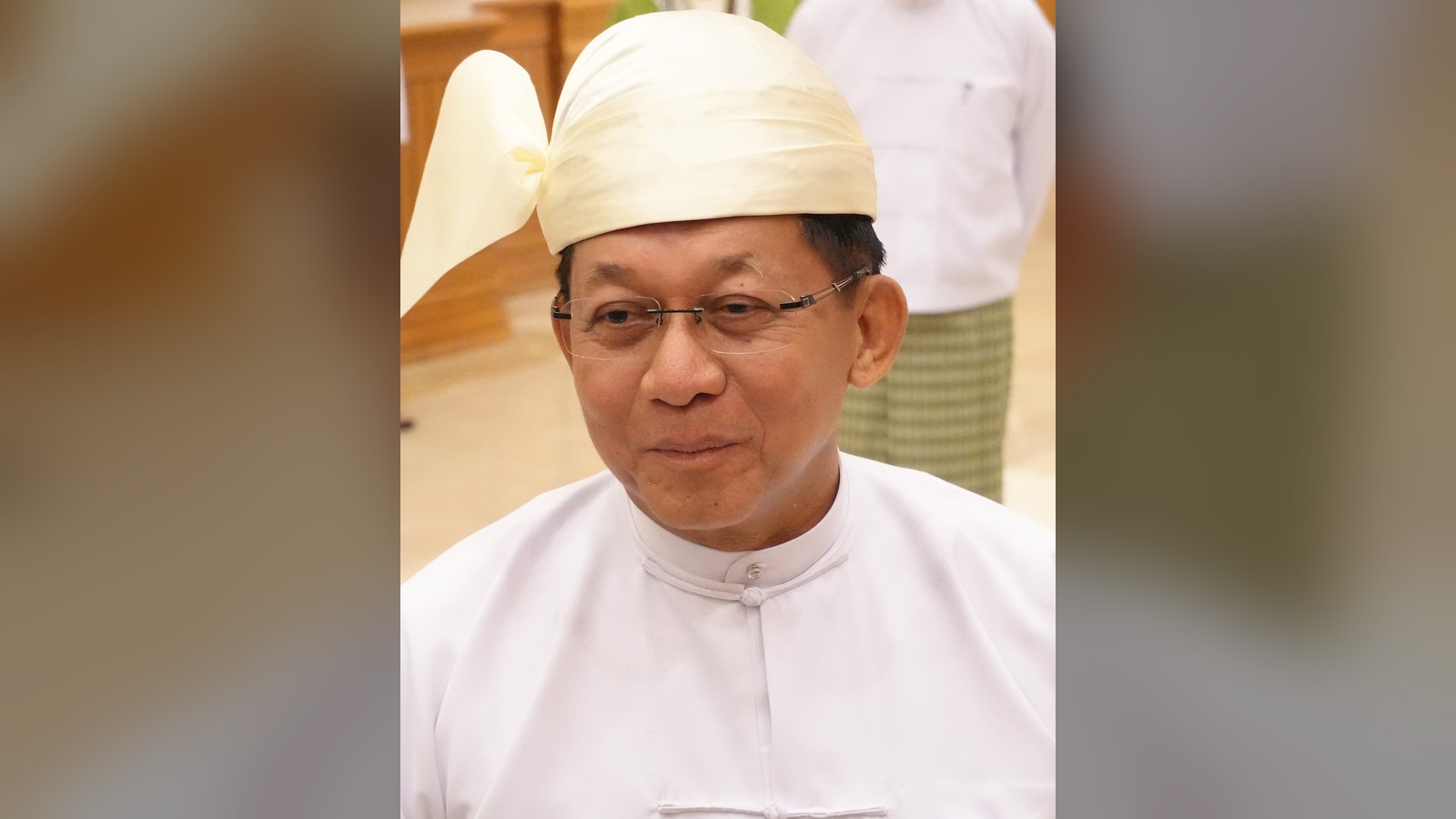
Britain sanctioned five senior Myanmar military leaders and moved to cut off aviation fuel exports on 23 November, four days after the International Court of Justice found Myanmar committed genocide against its Rohingya minority.
Foreign Secretary Ed Miliband announced the sanctions on Myo Htut Hlaing, Myo Min Tun, Myat Thet Oo, Kyaw Soe and Kyaw Swar Oo. The five include four major generals and a brigadier general, according to LBC. Miliband said the sanctioned figures oversaw troops that carried out egregious civilian killings and repression across Myanmar. He also said the military has systematically used lethal air power against its own people.
The UK will introduce legislation in the coming months to stop the export and supply of aviation fuel to Myanmar, which Miliband said is used in such horrendous attacks. The government also expelled Myanmar's defence attaché and said it would raise the issue at the UN Security Council this week, with a dedicated meeting in a fortnight. Miliband called for an immediate pause in hostilities, a stop to air strikes on civilians, the release of political prisoners, and dialogue toward an inclusive political settlement.
Rohingya casualties and displacement during 2017 crackdown
The ICJ ruling highlights the scale of the genocide, with 10,000 murdered, 815,000 targeted, and 700,000 fleeing.
Figures in people
The ICJ ruled on 19 November that Myanmar committed genocide during the 2017 military crackdown in Rakhine State. The verdict was reached 9-6 by a panel of judges from around the world. The court found that genocidal intent was the only reasonable inference that could be drawn from the evidence it had seen. It also found Myanmar violated several other parts of the 1948 Genocide Convention. The case was brought by The Gambia.
The court estimated about 10,000 Rohingya were murdered during the clearance operation. It found that approximately 815,000 Rohingya had been targeted in some way during the violence. More than 700,000 fled to Bangladesh by foot or by sea. The ICJ cited estimates that up to 2,109 Rohingya children younger than 5 died. It found the violence was systematic, including the burning of all or parts of 392 villages. The court also found Myanmar engaged in extensive destruction of evidence by burning or disposing of bodies, burning and bulldozing cleared sites, and failing to prosecute perpetrators.
The 2017 violence began after fighters from the Arakan Rohingya Salvation Army launched deadly attacks on more than 30 police posts. Myanmar troops, backed by local Buddhist mobs, launched a wave of violence after those attacks, prompting a mass exodus of Rohingya. The United Nations has called the 2017 army operation a textbook example of ethnic cleansing.
Miliband said Myanmar's President Min Aung Hlaing is directly responsible for many of the atrocities that have happened, as he was head of the military at the time of the genocide in 2017. Min Aung Hlaing was sanctioned by the UK in 2021. The new measures target mid-level officers rather than the man Miliband identified as directly responsible, raising questions about whether this round changes behaviour on the ground.
Myanmar's military-backed government dismissed the ICJ ruling as unfair, according to a spokeswoman for Min Aung Hlaing. The military continues air strikes on civilians and the country remains in civil war. The ruling's impact on Rohingya survivors and the broader conflict is still uncertain.
Australia, Belgium, Portugal, Spain and Canada joined the UK in acknowledging the ICJ ruling. The UK announced £3 million to help Rohingya survivors and £5 million in humanitarian assistance for 350,000 Rohingya and Rakhine people. Miliband said more than 1.2 million refugees fled and are being supported by Bangladesh. Around a million refugees now reside in the Cox's Bazar camp in Bangladesh, where Rohingya watched the verdict live.
A Rohingya refugee named Ma Roga Bibi, 18, who fled Maungdaw township in northern Rakhine state, said the ruling was an emotional, historic day.
The ICJ ruling establishes a legal precedent that states can be held accountable for genocide, but enforcement depends on individual countries. The UK's sanctions and fuel ban are among the first concrete measures.
Myanmar, formerly known as Burma, gained independence from Britain in 1948 and was under military junta rule from 1962 to 2011. A gradual liberalisation began in 2010, leading to free elections in 2015 and a government led by Aung San Suu Kyi in 2016. Aung San Suu Kyi and her government were overthrown in a military coup in February 2021.
Sources
More from Politics


Conversation
Reader notes
Loading comments...