Cherrion Valerius Starts for LAFC as Minnesota Hand Armindo Sieb a Road Role
LAFC start Cherrion Valerius in a 4-2-3-1; Minnesota United name Armindo Sieb and Anthony Markanich in a 4-4-2 at BMO Stadium.
- Match
- Los Angeles FC vs Minnesota United
- Competition
- MLS
- Kick-off
- November 2, 2026
- Status
- LIVE
- Score
- 0-2
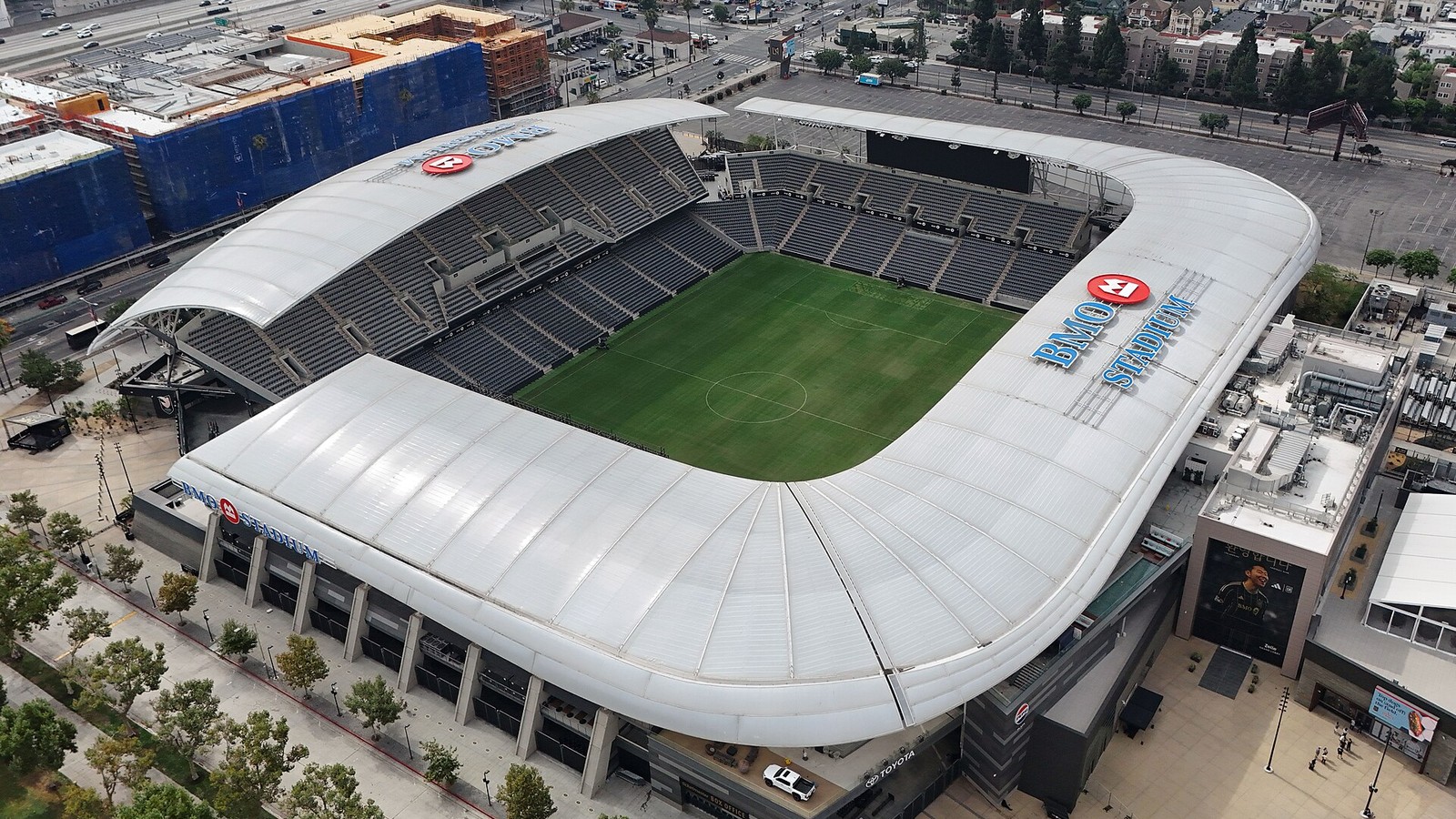
Los Angeles FC and Minnesota United have confirmed their starting XIs for Sunday's Major League Soccer fixture at BMO Stadium, and the two shapes point in different directions. LAFC line up in a 4-2-3-1. Minnesota answer with a 4-4-2.
The home side's selection puts Denis Bouanga at the front of the attack, with Cherrion Valerius handed a start in the same forward line. Aaron Long anchors the back line in front of the LAFC goal. For Minnesota, Armindo Sieb and Anthony Markanich both start in a two-forward, four-midfield structure that asks the wide players to cover ground in both directions.
LAFC's 4-2-3-1 and the Valerius Call
The 4-2-3-1 gives LAFC a double pivot behind three attacking midfielders and a lone striker. Bouanga is the reference point at the top of that shape, and Valerius starting alongside him in the attacking line is the selection that stands out from the confirmed teamsheet.
Aaron Long's presence at centre-back matters for how aggressively the full-backs can push. In a 4-2-3-1, the two holding midfielders are the screen in front of Long and his partner, and the width comes from the full-backs rather than the front four. If LAFC's wide defenders advance, Long is the player responsible for covering the space behind.
Valerius's start is the kind of call that shapes the whole attacking phase. A 4-2-3-1 lives on the relationship between the No. 10, the two wide attackers and the striker. Bouanga occupying the central forward role means the three behind him have to time their runs into the box rather than hold width for its own sake.
Minnesota's 4-4-2 and the Sieb-Markanich Pairing
Minnesota's 4-4-2 is the more traditional of the two setups: two banks of four, two centre-backs, two strikers. Armindo Sieb and Anthony Markanich starting together gives Minnesota a front pair rather than a lone forward, which changes the defensive assignment for Long and the rest of the LAFC back line.
Against a single striker, a centre-back pairing can often split the marking duties and let one defender step into midfield. Against two forwards, that becomes riskier. Long and his partner have to decide whether to mark man-for-man or hold a zonal line, and Minnesota's front two can split wide to drag the centre-backs out of position.
The 4-4-2 also asks Minnesota's wide midfielders to track LAFC's full-backs. With LAFC in a 4-2-3-1, the home side's width comes from deep, so Minnesota's midfield four has to shuttle laterally for 90 minutes. That is the trade-off of the shape: two strikers in exchange for a midfield that can be outnumbered centrally.
What the Selections Set Up
LAFC's 4-2-3-1 against Minnesota's 4-4-2 creates a central overload for the home side. The double pivot plus the No. 10 gives LAFC three central players against Minnesota's two central midfielders. Minnesota's answer is the front two, who can drop into midfield to even the numbers or stay high to pin Long and his partner.
Bouanga is the player Minnesota's back line has to account for on every possession. Valerius starting alongside him in the attacking line means LAFC have two runners to track rather than one. For Minnesota, Sieb and Markanich starting together means the away side have committed to a two-striker approach from the first whistle rather than bringing it on later.
The head-to-head record leans LAFC's way. In 15 meetings since 2018, LAFC have won seven, Minnesota three, with five draws. LAFC have scored 21 goals in those matches to Minnesota's 16. Bookmakers priced LAFC at a 55% win probability and Minnesota at 22% before kick-off.
LAFC sit sixth in the Western Conference. Minnesota arrive at BMO Stadium with the 4-4-2 that has served them on the road, and the confirmed teamsheets show both managers have made their choices. The 4-2-3-1 against the 4-4-2 is the frame for everything that follows.
Sources

Editor
Peter OlaleruPeter is the editor of Measured Take and a cybersecurity professional. He leads our news, fact checks, sport and guides from around the world, with a particular eye on cyber attacks, data breaches, scams, AI and misinformation.
More from Sports


Conversation
Reader notes
Loading comments...