Four Nations, 104 Matches: Will Costa Rica and Jamaica Get More Than a Token Game?
FIFA and the four federations should commit now to a transparent, published match-allocation formula for 2031, rather than letting the United States absorb

FIFA's Extraordinary Congress in Zurich on 23 November 2026 awarded the 2031 Women's World Cup to the United States, Mexico, Costa Rica and Jamaica, the first senior Women's World Cup spread across four countries, and the first with 48 teams and 104 matches. The joint bid operates under the motto 'For Now. For Next.' The 'next' is where the trouble starts. According to The Athletic, the United States is expected to host at least 80 of those 104 matches, Mexico 'a handful', and Costa Rica and Jamaica at least one each. If that distribution holds, the tournament's four-nation label will describe the letterhead rather than the footprint.
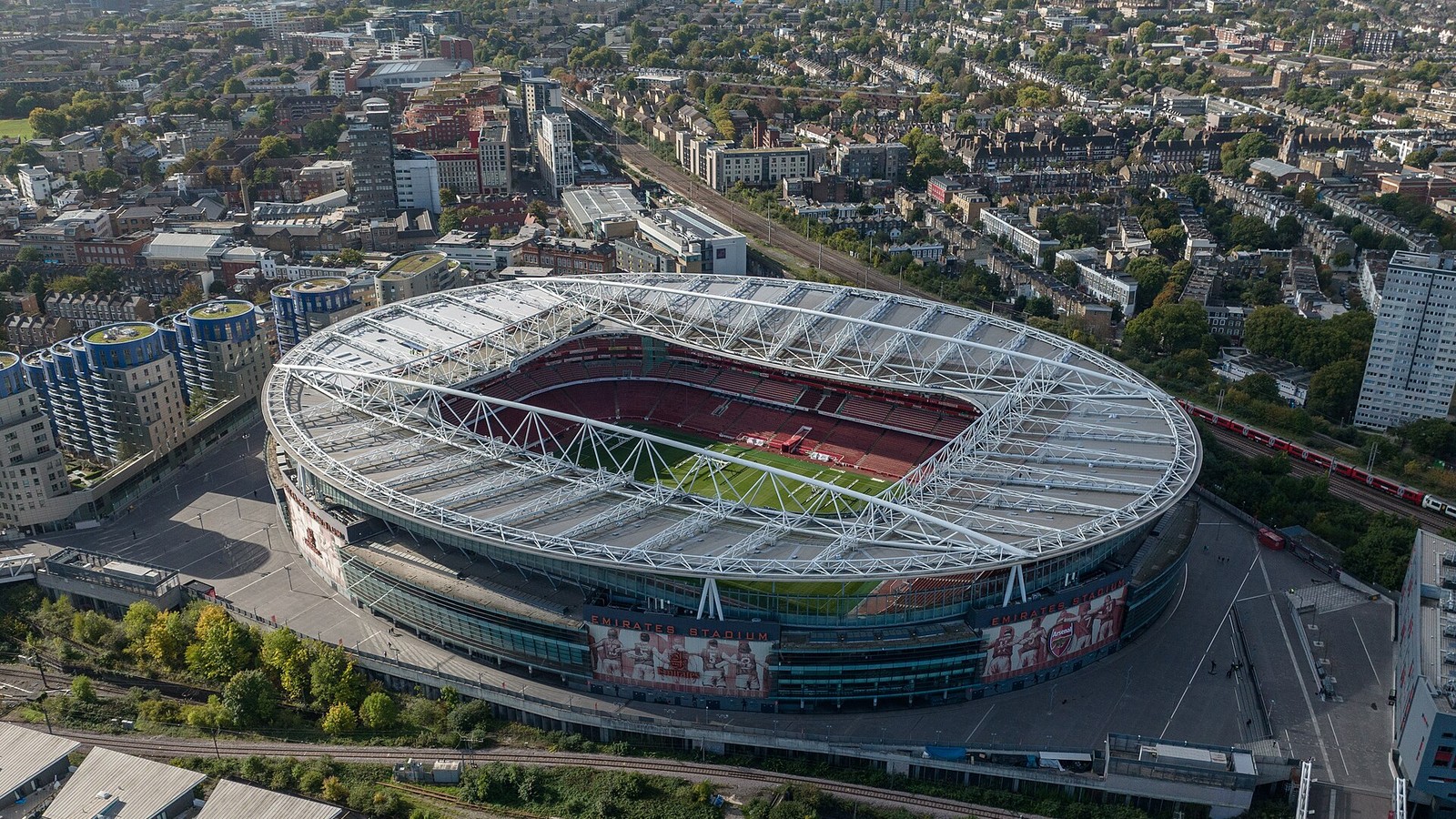
The case for publishing a match-allocation formula now is not sentimental. It is procedural. FIFA has not yet confirmed final host cities, stadiums, match allocations, schedule or ticketing. The bid evaluation report lists 20 principal candidate host cities: 14 in the United States, four in Mexico, plus San José and Kingston. The wider bid includes more than 30 potential host cities and more than 45 stadiums. That means the allocation is still genuinely open. Once the city list is locked and the schedule is drafted, the distribution becomes a fait accompli, and the federations of Costa Rica and Jamaica will be left to explain why their 'hosting' amounted to a single fixture each.
A published formula would not require equal splits. It would require stated criteria: minimum matches per host country, weighting for stadium capacity and infrastructure, and a clear account of how commercial guarantees shape the map. Organisers project more than 4.5 million attendees, and both the 2031 and 2035 host groups are targeting approximately 4.5 million ticket sales. Those are the numbers that will be cited to justify clustering. Fine. Then publish the clustering rule. If the United States is to stage at least 80 matches, say so, and say why. If Costa Rica and Jamaica are to get one match each, say what would move that number upward, a minimum threshold, a legacy commitment, a scheduling guarantee. The four federations have already said they will work with FIFA and Concacaf on legacy efforts in girls' player development, coaching education and infrastructure investment. A match-allocation formula is the most concrete legacy commitment available, because it determines whether a generation of girls in San José or Kingston sees the tournament in a stadium or on a screen.
The strongest case against this position is straightforward, and it deserves to be stated without caricature. Stadium capacity, infrastructure and commercial guarantees legitimately cluster matches where the tournament can actually be staged at scale. The 2031 bid's 49-city list includes venues ranging from about 20,000 to 92,000 capacity. The 2026 men's World Cup in North America used 16 host cities across three countries and 48 teams, and seven proposed U.S. stadiums and three Mexican venues hosted matches, a blueprint that worked. U.S. Soccer President Cindy Parlow Cone said the United States has the stadiums, the infrastructure and the expertise to set a new standard, and called it potentially the most commercially successful Women's World Cup. She also said the four countries want to deliver the biggest and most impactful Women's World Cup in history and accelerate global growth of women's soccer. On that logic, a four-nation label still delivers first-ever senior women's hosting to Mexico, Costa Rica and Jamaica. Costa Rica has previously hosted U-17 and U-20 World Cups; for Jamaica, this would be the first FIFA tournament of any kind. That is not nothing.
But it is not enough to answer the question the motto raises. 'For Now. For Next.' implies a trajectory, not a one-off. If the 2031 tournament is meant to grow the game across all four host nations, the growth has to be visible in the schedule, not only in the press release. A single match in Kingston and a single match in San José may satisfy the definition of hosting. They do not satisfy the definition of a four-nation tournament. And the precedent matters: the UK, England, Scotland, Wales and Northern Ireland, has been awarded the 2035 edition, also with 48 teams and 104 matches over 39 days. Whatever allocation formula FIFA settles on for 2031 will be the template for 2035. If the template is 'one host takes the overwhelming majority', that is the template the UK will inherit.
The next concrete step is the city and stadium announcement, which FIFA has not yet made. The Athletic reported the first match would be in mid-June and the final in mid- to late July, though FIFA has not announced dates. Before those dates are confirmed, the four federations and FIFA should publish the allocation formula. Not a promise. Not a motto. A formula, with numbers, that anyone can check against the final schedule. That is what accountability looks like when four countries put their names on one tournament.
Sources
More from Sports

Conversation
Reader notes
Loading comments...