UK to host 2035 Women's World Cup, but funding now hinges on equality
FIFA approved the UK's 2035 Women's World Cup bid. Public sports funding will now require proof of 'structural equality' and a target of one million more gir...

The United Kingdom will host the 2035 Women's World Cup, but the more consequential decision came alongside it: sports organisations will only receive public money if they can prove "structural equality."
FIFA's Extraordinary Congress approved the joint bid from England, Northern Ireland, Scotland and Wales by acclamation on 23 November 2026. The same virtual congress awarded the 2031 tournament to a United States-led bid with Mexico, Costa Rica and Jamaica. It is the first World Cup on UK soil since England's 1966 men's triumph.
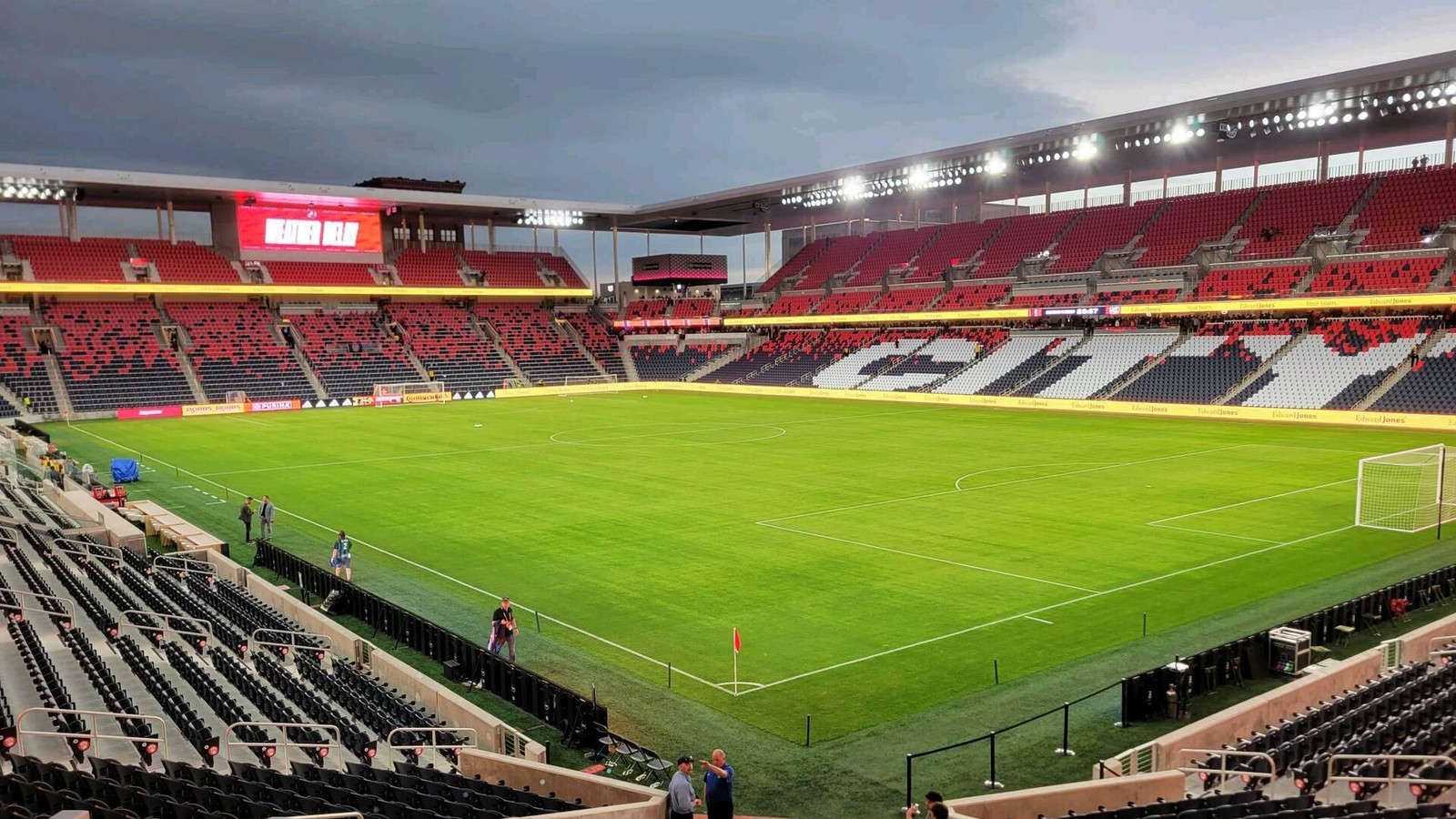
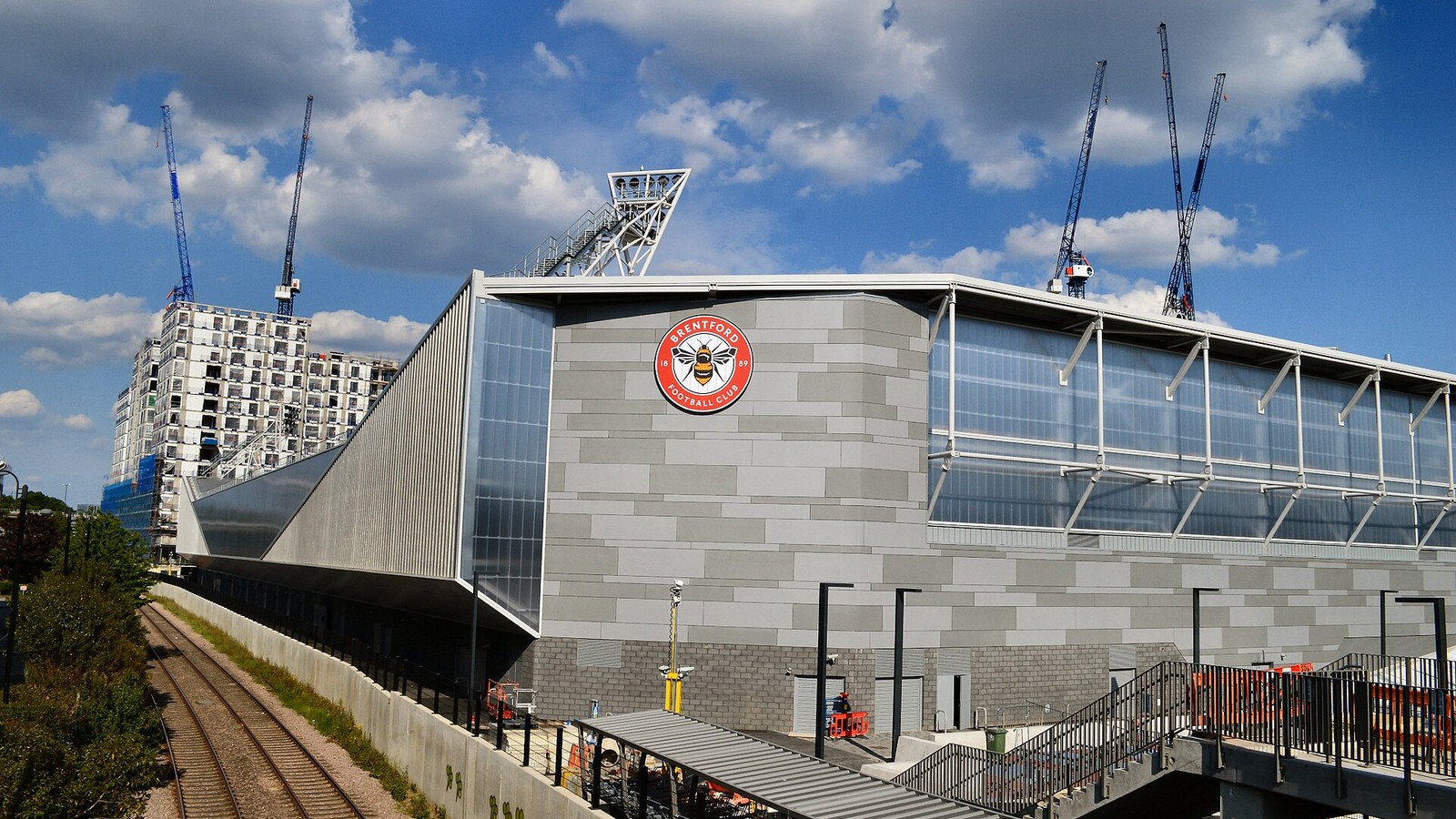
The bid lists 22 potential stadiums across 16 host cities: 16 venues in England, three in Wales, two in Scotland and one in Northern Ireland. Final venue confirmation is pending.
The bid team targets 4.5 million ticket sales and a projected TV audience of 3.5 billion. It claims 63 million people live within two hours of at least one proposed venue, which would make it the most accessible tournament staged in the UK. The competition is expected to run 39 days with 48 teams and 104 matches, though official dates and the match schedule have not been released.
The government's funding conditions are the policy experiment inside the sporting milestone. Public money for sports bodies will be released only when the needs of women and girls are given equal consideration to the needs of men and boys at every step. The Department for Culture, Media and Sport said upcoming regulations would seek to ensure sports organisations are "clearly designed by women and men, for women and men." No schedule for implementing these conditions has been provided.
Andy Burnham set a target to inspire one million additional girls to participate in sport ahead of the tournament. The ambition will examine female representation across viewing statistics, coaching roles and boardrooms, and work to guarantee girls equal access at school to sports such as football and rugby. The Prime Minister said he wants the period leading to 2035 to be "game-changing for girls up and down the country."
Culture Secretary Lisa Nandy said the government is working with FIFA to keep ticket prices low and affordable. Asked whether dynamic pricing could be ruled out, Nandy said: "We're not ruling anything out or in right now." She added that how the event is advertised and how fans are treated matters to the government.
The funding conditions could reshape how sports bodies operate across the UK. They arrive with the tournament nearly a decade away, meaning decisions on venues, funding, ticket pricing and grassroots participation made now will determine whether the event delivers a lasting legacy for women's sport or becomes a commercial spectacle.
Scotland's football association has its own parallel plan. Project 2035, announced by the Scottish FA and Scottish government, aims to double participation over the period leading to the tournament. Shirley Martin, the SFA's head of women's and girls football, said the organisation hopes to double participation but admitted it needs to increase crowds at matches. Angie Hind, Scotland Under-23 head coach and Scottish FA player pathway manager, said the tournament fits perfectly with Project 2035.
Scotland captain Caroline Weir, 31, said hosting would usher in "an amazing decade of excitement" for the game in Scotland. Newcastle United Women's player Jordan Nobbs said hosting matches in the North East would inspire young girls by showing them the biggest stage is within reach. Manchester City Women's Director of Football Therese Sjögran said the tournament will be a huge moment for fans, players, cities and everyone associated with women's football.
The award lands with an unresolved tension. All four UK football associations called on FIFA president Gianni Infantino to resign in the summer before the congress. FA chair Debbie Hewitt hugged Infantino after the award was confirmed. Whether that call affects FIFA's relationship with the host nation over the next nine years is not yet known.
The bid presentation was led by Sky Sports News presenter Jess Creighton and four schoolchildren, one from each home nation. Burnham said the tournament will bring visitors, investment and jobs to every part of the country.
What happens next is largely administrative but consequential. FIFA must confirm which of the 22 candidate venues will stage matches. The government must publish the regulations that will define "structural equality" and set a timeline for enforcing them. Nandy's department must decide whether dynamic pricing will be permitted for 2035 tickets. And the home nations' football associations must turn participation targets into actual increases in girls playing sport, with the SFA already acknowledging it needs bigger crowds to sustain the women's game.
The 2031 tournament in the United States, Mexico, Costa Rica and Jamaica will serve as the immediate comparison point. The UK bid predicts more than 4.5 million spectators, which would more than double the Women's World Cup record set in 2023. Whether the funding conditions and participation targets deliver a comparable increase in grassroots participation will not be clear for years.
Sources
- [1]theguardian.com
- [2]sports.yahoo.com
- [3]aol.com
- [4]espn.com
- [5]sports.yahoo.com
- [6]mancity.com
- [7]nytimes.com
More from Sports

Conversation
Reader notes
Loading comments...