Arsenal's 45-Minute Masterclass and Second-Half Scare in Prague
Arsenal's dominant first half against Slavia Prague gave way to a nervy second, raising questions about their ability to control matches for 90 minutes.
- Match
- Slavia Prague vs Arsenal
- Competition
- UEFA Champions League
- Kick-off
- November 4, 2026
- Status
- FULL TIME
- Score
- 1-2
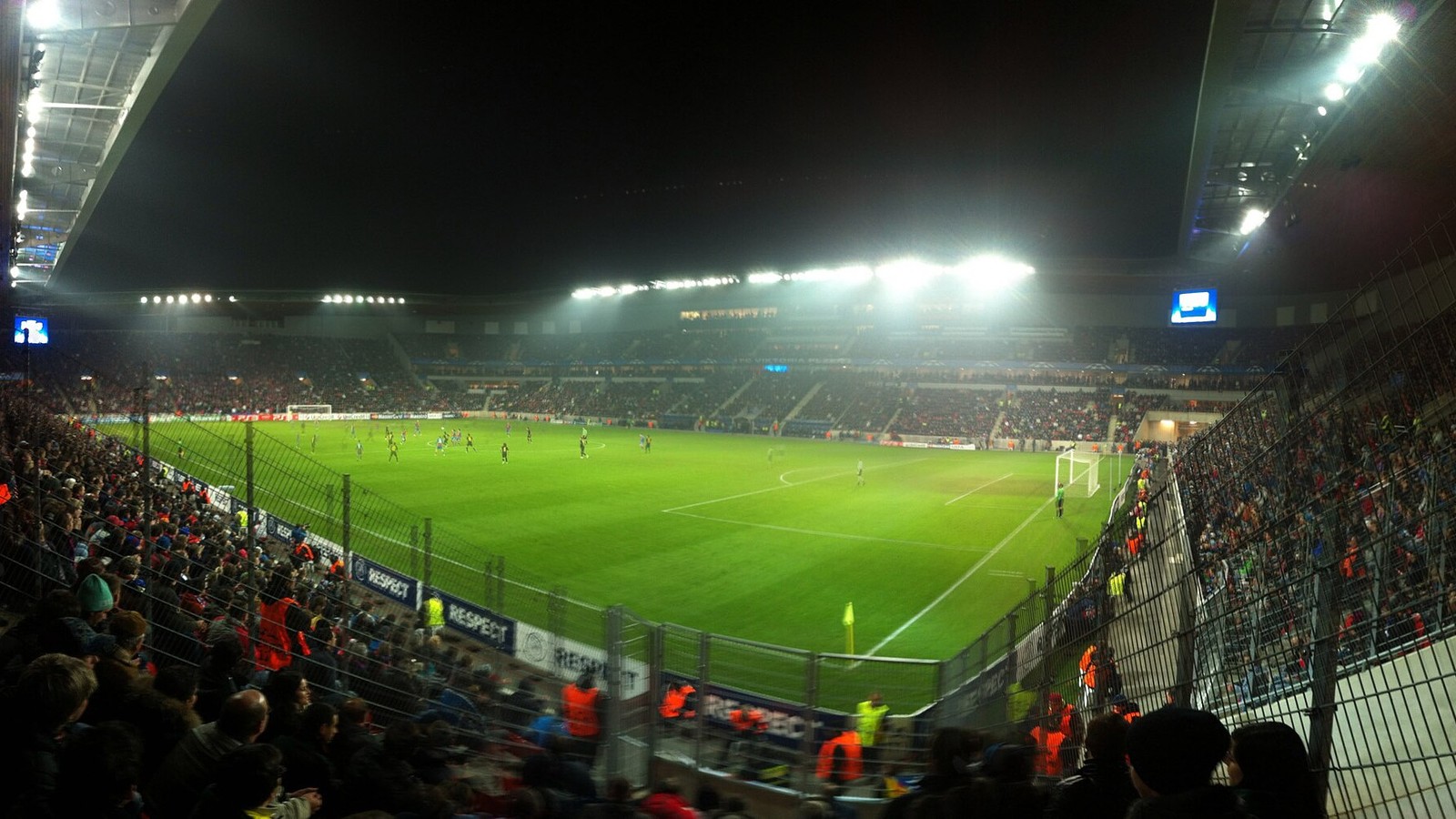
Arsenal beat Slavia Prague 2-1 at the Fortuna Arena on Wednesday, a third win in four Champions League matches that lifted them to third in the league phase table. Noni Madueke scored after nine minutes and Viktor Gyökeres added a second before half-time. It should have been comfortable. It was not.
Mikel Arteta's side made six changes to their starting lineup, and for 45 minutes the rotation looked seamless. Arsenal had 56 per cent possession, created six big chances to Slavia's four, and Arteta later said the first half was "exceptional at times" and that the scoreline "should have reflected three or four goals." The gap between that assessment and the 2-0 half-time lead is the story of Arsenal's evening.
The Second-Half Collapse
After the break, the match turned. Slavia finished with 18 shots to Arsenal's 12 and an expected goals figure of 2.11 against Arsenal's 1.49. Gabriel twice cleared headers off the goal line, and David Raya made a stunning save from Oskar Kubiak. Wiktor Nowak finally beat Raya in the 90th minute, converting David Jurasek's cross, and Arsenal were hanging on through stoppage time.
Arteta did not disguise his frustration. "The second half we were on the back foot, very sloppy," he said. That word — sloppy — sits awkwardly beside the first-half numbers. Arsenal's six big chances suggest a team that should have been out of sight. Instead, they spent the closing stages defending their own box.
The raw data shows Slavia's threat was real but inefficient. Their 2.11 xG against 1.11 goals scored means they underperformed their chances by a significant margin. Their 18 shots produced six on target. Arsenal, by contrast, scored twice from five shots on target. The difference between the sides was not control but conversion.
What the Numbers Say About Slavia
Slavia's performance was unusual for them. They average 58 per cent possession across their earlier 2026/27 matches but had only 44 per cent here. Their 120 opposition-half passes were well down on their average of 217.5, and their 21 touches in the opposition box were barely half their average of 39. They also took four corners against an average of eight.
This was not Slavia playing their usual game. It was a side forced deeper, then finding a second wind as Arsenal retreated. Their late goal came from a cross, the kind of delivery they had struggled to produce earlier. The question is whether Arsenal's second-half drop invited that pressure or whether Slavia simply raised their level.
The Bigger Picture
Arsenal remain unbeaten in the Champions League and are well placed to advance. But the gap between their first-half control and second-half vulnerability is not a one-match curiosity. Arteta's own criticism suggests he sees it as a problem to solve, not a quirk of a single evening.
The concern is not that Arsenal were lucky. They had the better chances overall and scored twice from five shots on target. The concern is that a team with aspirations of a deep run should not need goal-line clearances and a stunning save to protect a two-goal lead against opposition that finished with 44 per cent possession.
Stronger opponents in the knockout stages will not underperform their expected goals by 1.11. They will not take four corners when they average eight. Arsenal's ability to maintain intensity for 90 minutes, rather than 45, is the question their next matches will answer. Arteta called the first half exceptional. The second half was the opposite. Which version travels to the knockout rounds is up to him.
Sources

Editor
Peter OlaleruPeter is the editor of Measured Take and a cybersecurity professional. He leads our news, fact checks and sport from around the world, with a particular eye on cyber attacks, data breaches, scams, AI and misinformation.
More from Sports

Conversation
Reader notes
Loading comments...