State Police Bill clears 28 assemblies but Tinubu's timeline stays blank
Clerk to the National Assembly confirms 28 states approved the State Police Bill, exceeding the 24-state threshold. It now goes to President Tinubu with no s...
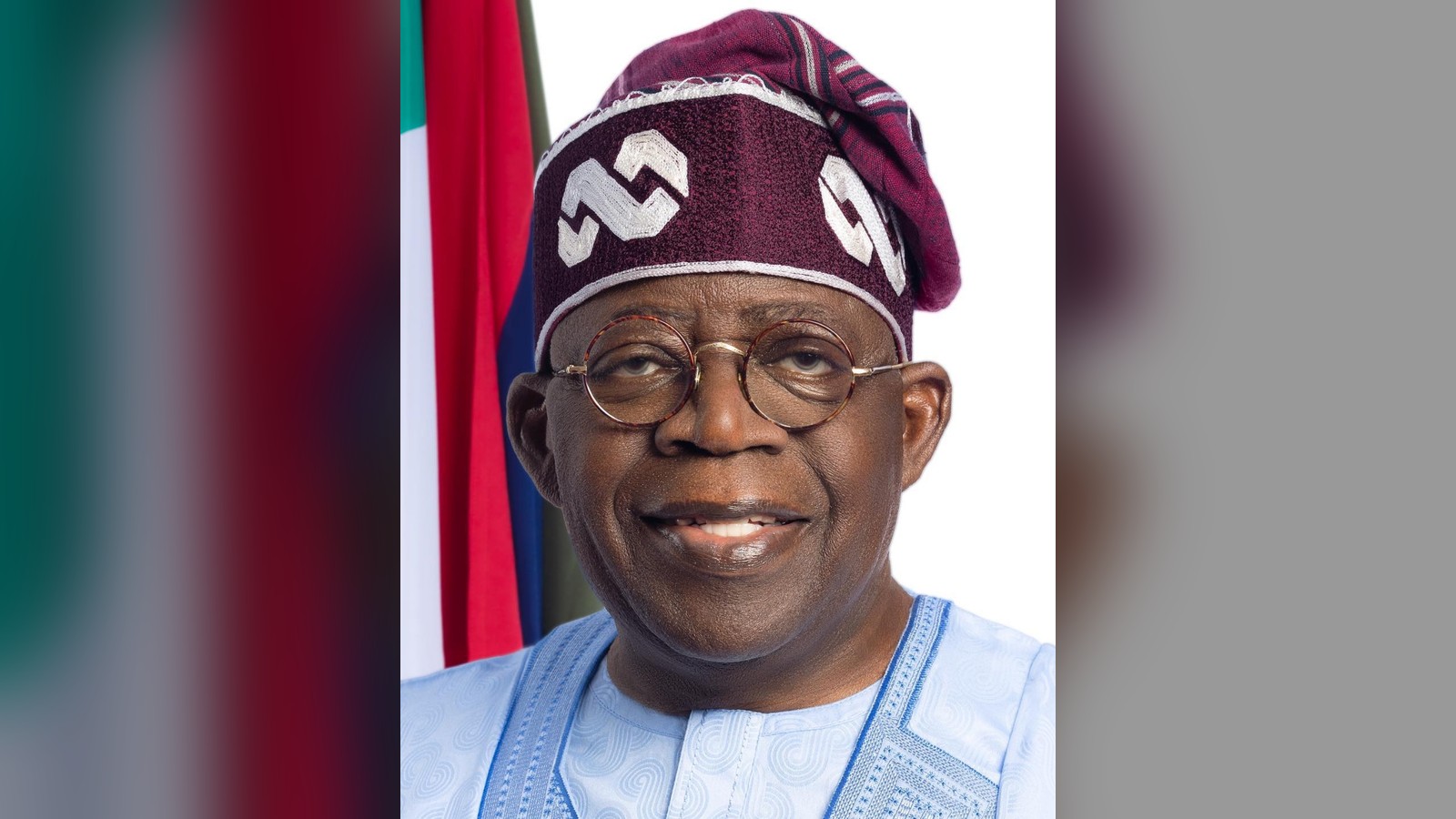
The State Police Bill has cleared the hardest hurdle. On November 3, 2026, the Clerk to the National Assembly, Kamoru Ogunlana, announced that 28 State Houses of Assembly had approved the Constitution of the Federal Republic of Nigeria, 1999 (Sixth Alteration) Bill, 2026, which seeks to establish State Police Services.
The 28 approvals exceed the two-thirds requirement of 24 states under Section 9 of the 1999 Constitution. That threshold allows the National Assembly to transmit the bill to President Bola Tinubu for assent.
The bill was sent to the 36 state assemblies on September 16, 2026, with a 30-day deadline ending October 15, 2026. The deadline lapsed with only 28 states reporting. The final count had to be verified by the Clerk's office after weeks of conflicting figures from senior officials.
Chief of Staff Femi Gbajabiamila had announced 24 states. Senate President Godswill Akpabio and Senate Leader Opeyemi Bamidele both subsequently put the number at 30. The verified figure is 28.
The states listed include Adamawa, Delta, Edo, Kwara, Nasarawa, Ogun, Osun, Oyo, Plateau, Rivers, Taraba, Zamfara, and Enugu.
If signed, the bill would create a constitutional basis for state police, a structural shift in Nigeria's security architecture after decades of debate.
The bill now heads to President Tinubu.
The 28-state approval is a milestone. The gap between the constitutional threshold and the political noise — conflicting counts, a missed deadline, and a verified tally that took weeks to settle — is the story of how it was reached.
Sources

Editor
Peter OlaleruPeter is the editor of Measured Take and a cybersecurity professional. He leads our news, fact checks, sport and guides from around the world, with a particular eye on cyber attacks, data breaches, scams, AI and misinformation.
More from Politics



Conversation
Reader notes
Loading comments...