Schumer or Van Hollen: 13 new senators to pick Democratic leader
Democrats' largest incoming Senate class in decades must choose between Chuck Schumer and Chris Van Hollen in the first contested leadership race in years.
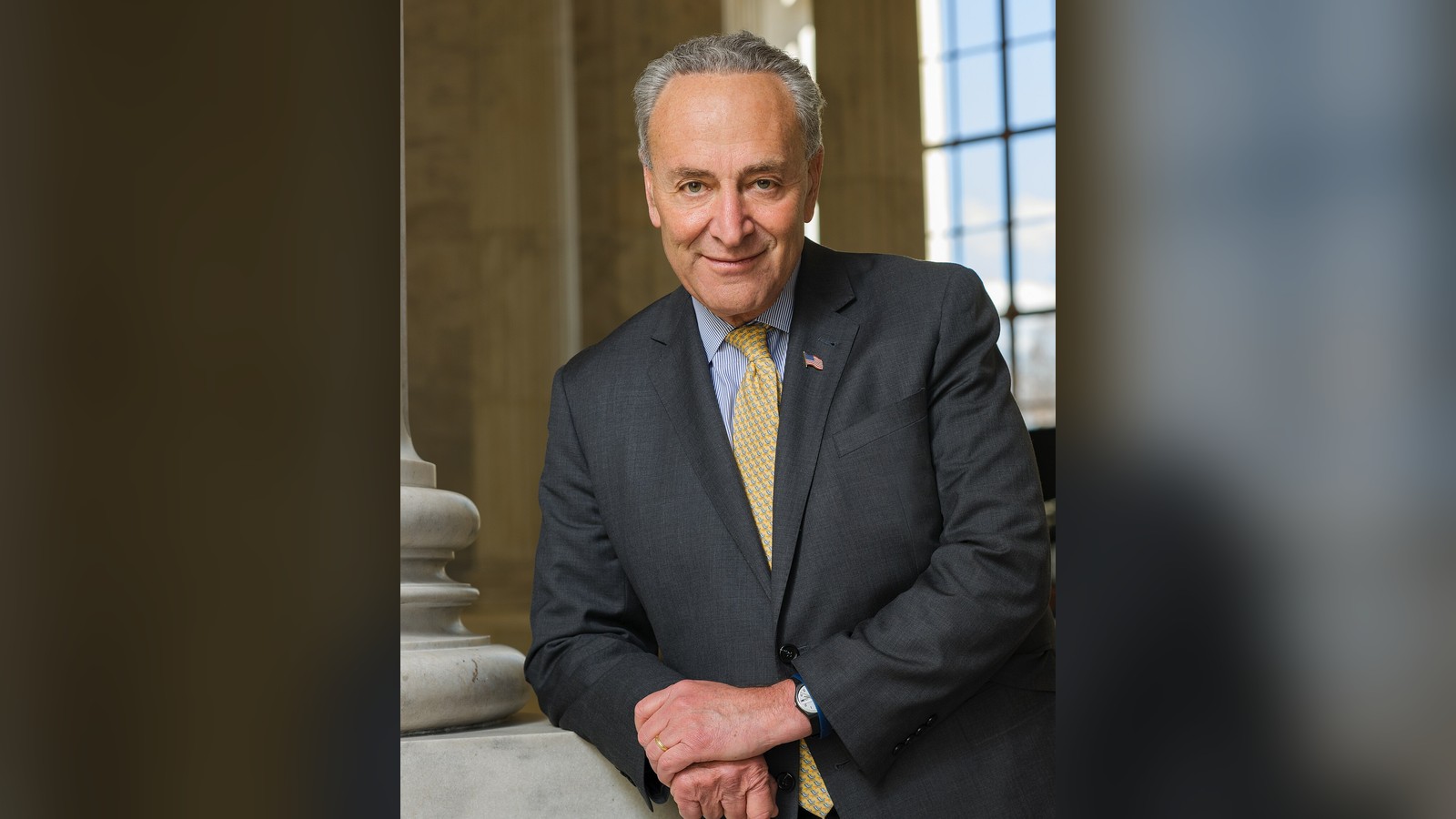
Democrats won a Senate majority in the 2026 midterms and are bringing in 13 new senators, the largest incoming class in decades. Several of those newcomers won in Republican-leaning states by campaigning as independent voices. Before they are sworn in, they must decide whether to keep Chuck Schumer of New York as their leader or back Chris Van Hollen of Maryland, who announced his challenge promising a more aggressive legislative approach.
Van Hollen said he has the backing of about 15 colleagues, though only a few have publicly declared support. Newly elected progressives Abdul El-Sayed of Michigan and Peggy Flanagan of Minnesota have backed Van Hollen. Incoming senators from traditionally Republican states such as Texas, Mississippi, Iowa and South Carolina have largely avoided taking sides publicly.
It is the first contested race for Senate Democratic leadership in decades. Van Hollen said the 2026 midterm results showed Americans called for change and that new leadership is needed. Schumer's supporters credit him with the party's victories in the midterms, while some Democrats say he is too open to compromise.
The race has also become a battlefield over Israel policy. Schumer is a reliable supporter of Israel. Van Hollen has emerged as an advocate for Palestinian rights, supports sanctions and voted to block weapons sales to Israel.
The outcome will shape how aggressively Senate Democrats confront the White House and set the party's posture on divisive issues heading into the new Congress. It is also an early test of whether the new majority will deliver on campaign promises of change or revert to the status quo.
Sources
More from Politics



Conversation
Reader notes
Loading comments...