Power Outage Preparedness: What to Have at Home Before the Lights Go Out
What to keep at home for a power cut, from Ready.gov and the UK's Be Ready campaign: water, food, radio, light, phone charger, cash, medicines.
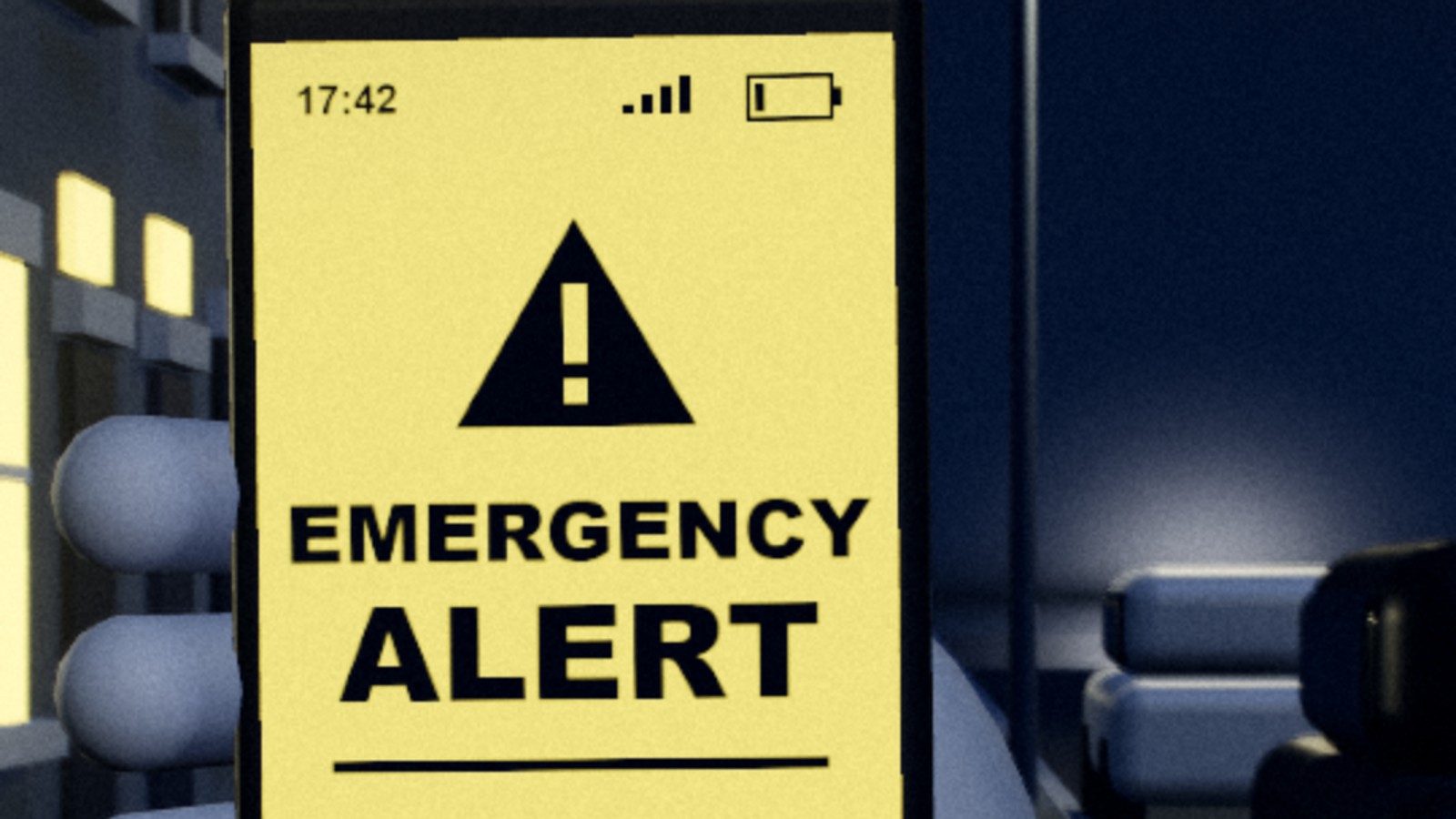
TLDR: Official guidance in the US and UK agrees on a short list: a few days of water and food that keeps, a radio that runs without mains power, a torch for everyone, a way to charge a phone, cash, and your medicines. Nothing on it is expensive. The point is that these are the things that run out first when the power does not come back for a few days.
Why this guide exists
We have published thirty-seven cyber security stories in the last month, counted from the cyber security category of our own articles. Those stories are about systems, not about a particular emergency. But a long power cut, however it starts, is the same problem for a household: a few days with no power, no water pressure in some homes, and a phone that is not charging. The film this guide goes with follows one street through that week. This is the checklist.
How long to plan for
The UK government's Be Ready campaign says to be ready for three days, and gives its reason: "Being ready for 3 days helps you manage while support reaches those in need." The US site Ready.gov says "several days" for water and for food and does not give a number. Three days is the one number both can be read to support.
The list
Water. Ready.gov advises one gallon per person per day, for several days, for drinking and sanitation. For a family of four over three days that is twelve gallons.
Food that keeps. Ready.gov says to store a multi-day supply of non-perishable food, with a manual can opener.
A radio. Ready.gov lists a battery-powered or hand-crank radio. It is how you hear what is happening when phone networks and Wi-Fi are down.
Light. A flashlight for every household member, and spare batteries.
A way to charge a phone. Ready.gov advises a portable charger or power bank. Charge it now and keep it charged.
Cash. Ready.gov lists cash among the items to add according to your needs. Card readers and cash machines need power.
Medicines and medical needs. Ready.gov advises asking your doctor for a plan for power-dependent devices and refrigerated medicines. If an outage lasts more than a day, it says to discard refrigerated medication unless the label says otherwise and get a new supply from your doctor or pharmacist. In the UK, the Be Ready campaign points people who need extra support to the Priority Services Register.
What the fridge and freezer will do
According to Ready.gov, a refrigerator keeps food cold for about four hours if the door stays closed, and a full freezer for about 48 hours. Food that has been at 40°F or higher for two hours or more should be thrown away. A thermometer in the fridge and freezer is the cheapest way to know.
Carbon monoxide
If you use a generator, Ready.gov says to keep it and its fuel outdoors at least 20 feet from windows, doors and attached garages, to fit battery-backup carbon monoxide detectors on every level of the home, and never to heat a home with a gas stove or oven.
A weekend's work
- Buy the water and food that keeps, and put them in one cupboard.
- Charge a power bank and put it with the radio and torches.
- Put cash and a copy of your key phone numbers in the same place.
- Ask your pharmacist how long your medicines can stay out of the fridge.
- Tell one neighbour where the kit is, and ask where theirs is.
Sources

Editor
Peter OlaleruPeter is the editor of Measured Take and a cybersecurity professional. He leads our news, fact checks and sport from around the world, with a particular eye on cyber attacks, data breaches, scams, AI and misinformation.
More from Tech


Conversation
Reader notes
Loading comments...