NYCFC's 2022 balance still hasn't returned — and the numbers show why
A 1–1 draw with LAFC gave NYCFC territory and corners but not the points return of the Ronny Deila era, and the gap between possession and threat tells the stor
- Match
- New York City FC vs Los Angeles FC
- Competition
- MLS
- Kick-off
- October 18, 2026
- Status
- FULL TIME
- Score
- 1-1
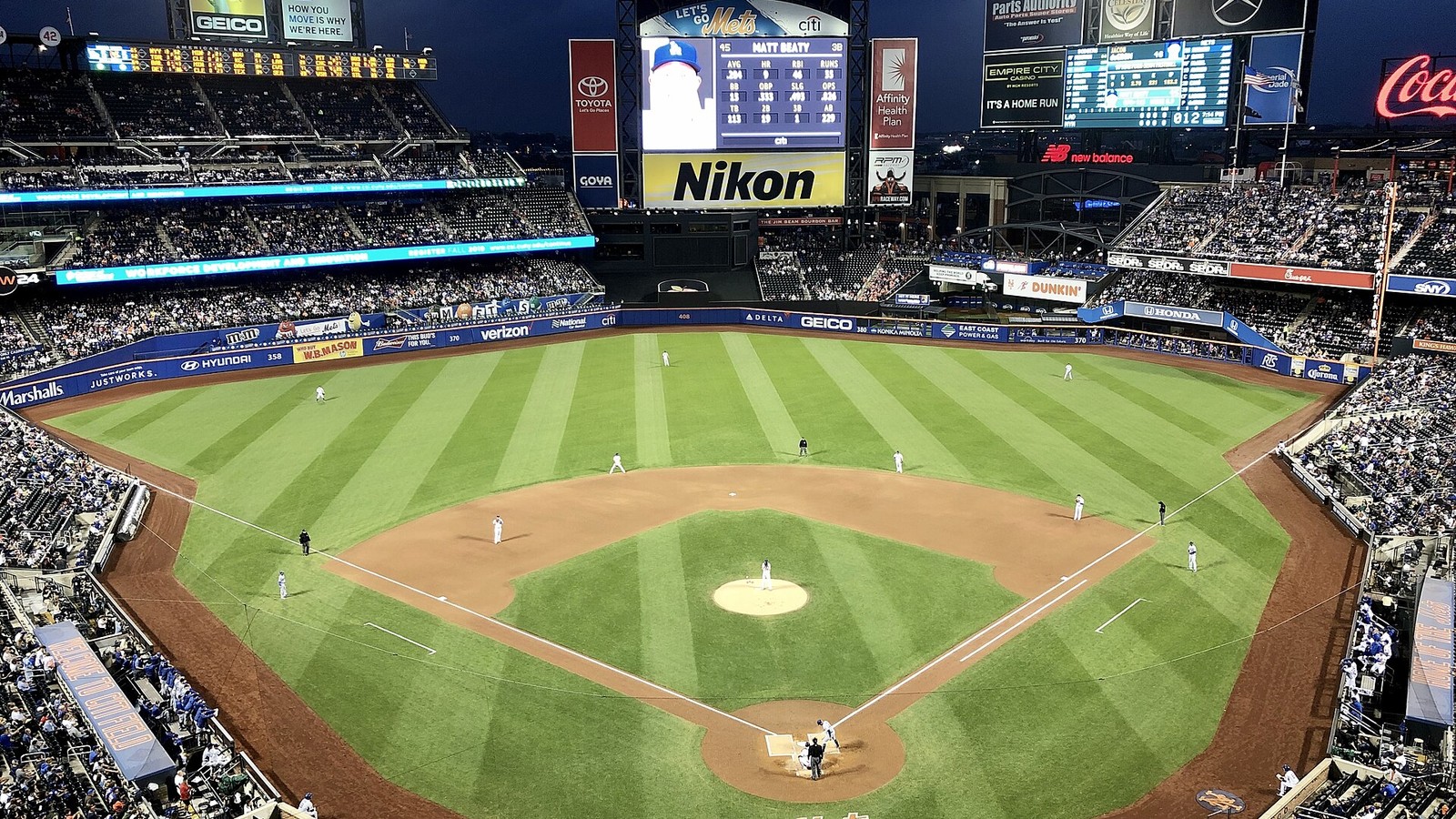
New York City FC drew 1–1 with Los Angeles FC at Citi Field on Saturday, October 17, in a cross-conference MLS regular-season match with playoff implications at both ends of the table. Leo Walta's 45th-minute goal, counted for LAFC, was cancelled out by Andrés Perea on 59 minutes for NYCFC. According to lafc.com, LAFC entered the match sixth in the Western Conference, two points behind fourth-place San Jose, and could have clinched a playoff berth with a win combined with losses or ties by Portland, Real Salt Lake and San Diego. No other outlet has confirmed the match details yet, so the account here rests on that single source plus the raw numbers.
The raw numbers describe a home side that controlled the ball without controlling the danger. NYCFC had 66 per cent possession to LAFC's 34, 13 shots to nine, ten corners to four, and 632 accurate passes. Yet expected goals finished 0.70 to 0.52, and shots on target were level at three apiece. Big chances were 2–1 in NYCFC's favour — a real edge, but a narrow one given the territory. This is the pattern that has defined the season: the ball moves, the box does not fill.
Territory without threat
Set this match against NYCFC's earlier 2026 averages across all competitions and the contrast is stark. Their possession here was 66.0 against an average of 50.6. Their accurate passes were 632.0 against an average of 397.6. Their opposition-half passes were 289.0 against an average of 166.6. Their corners were 10.0 against an average of 3.6. By every measure of control, this was a step up.
But expected goals were 0.7 here against an average of 1.37. In other words, NYCFC generated roughly half their usual threat while nearly doubling their usual share of the ball. More possession, more passes, more corners — fewer clear sights of goal. That is not a one-match quirk so much as a description of a team that has learned to hold the ball without yet learning to hurt opponents with it.
The wider return supports the same reading. Under Ronny Deila in 2022, NYCFC took 2.0 points per game over 13 league matches, with a record of 8W 2D 3L. Under Pascal Jansen in 2026 so far, the record is 8W 9D 12L — 1.14 points per game over 29 matches. The draw column is the tell: nine stalemates in 29 games. Saturday's 1–1 was the sixth result in a run that reads Salt Lake 0–2 NYCFC, NYCFC 0–1 NY Red Bulls, Atlanta United 2–2 NYCFC, Chicago 2–1 NYCFC, Inter Miami CF 2–0 NYCFC, NYCFC 1–1 LAFC. One win in six.
Why has the 2022 equilibrium not returned? The likeliest explanation is squad turnover, and the available evidence points that way without proving it. Since the summer, the only signing listed is Bénie Traoré — a thin refresh for a squad asked to reproduce a balance built by different players. That is a question the next matches will answer, not a verdict this one can deliver.
For LAFC, the dropped points matter in a different way. They came into the match off a 3-1 home win over Austin FC on Wednesday, with 28 shots to Austin's 13 and 13 on target to Austin's four, Denis Bouanga scoring twice. Against NYCFC they managed nine shots and 0.52 xG.
For NYCFC, the stakes are simpler. A home draw against a Western Conference contender is another data point in a season whose return trails the club's recent successful window. The territory is there. The points are not.
Sources

Editor & Founder
Peter OlaleruPeter is the founder and editor of Measured Take and a cybersecurity professional. He leads our news, fact checks, sport and guides from around the world, with a particular eye on cyber attacks, data breaches, scams, AI and misinformation.
More from Sports



Conversation
Reader notes
Loading comments...