Nvidia's CEO Exit Is Not the Story. The Export-Control Model Is.
Jensen Huang's departure as Nvidia CEO is confirmed by one outlet. The deeper issue: Washington relies on chipmakers to police exports that are rentable abroad.

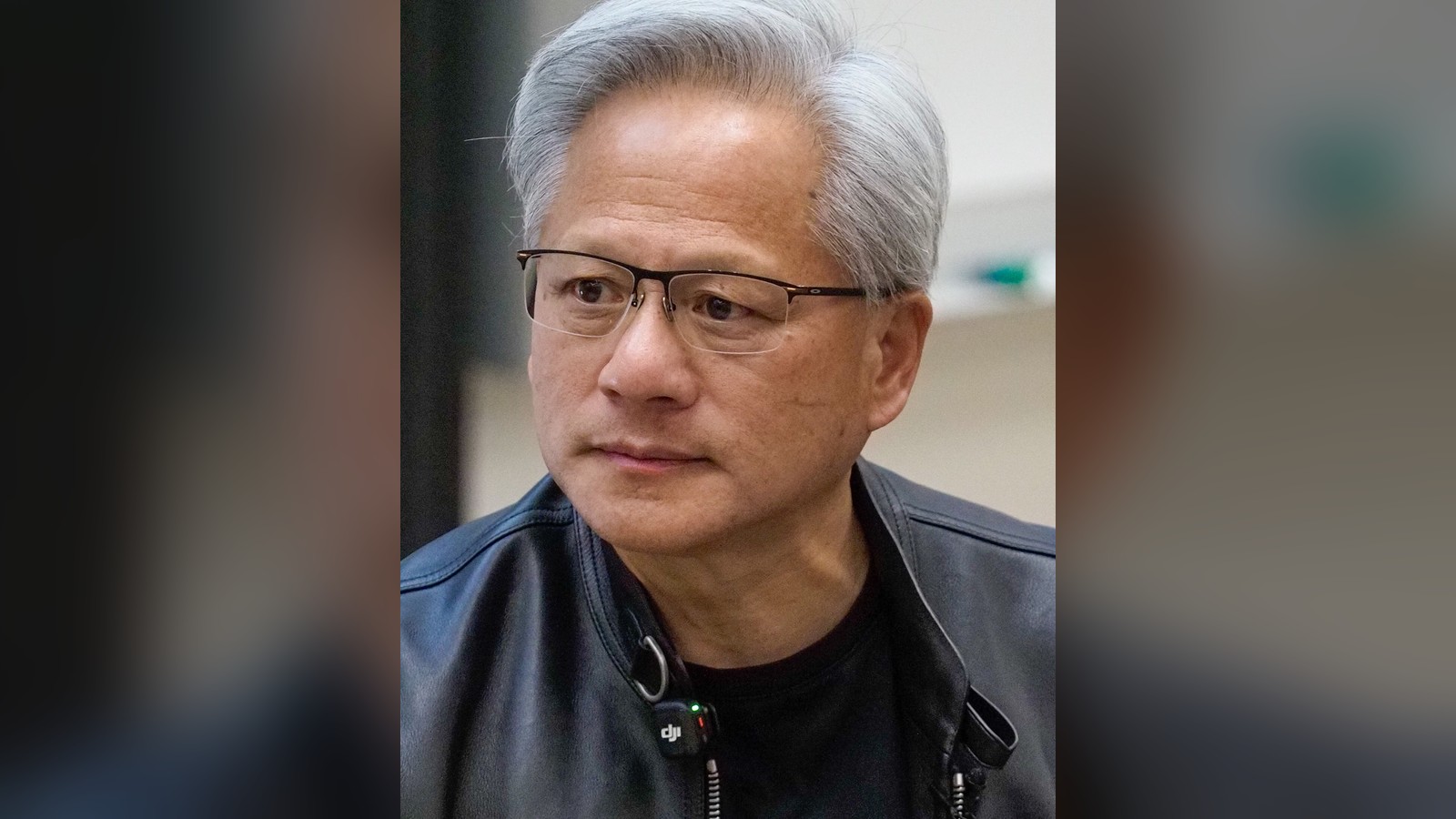
Jensen Huang has departed as Nvidia's chief executive, according to the Atlantic Council, which reported the move and framed it as the beginning of a larger problem rather than the end of one. No other outlet has confirmed the departure.
The scrutiny that preceded it centers on how Nvidia's AI chips have continued reaching China despite U.S. export restrictions, and on the role an alleged Chinese intelligence asset may have played in facilitating purchases. For the past year, reports have questioned Nvidia's relationship with Megaspeed International, a Singapore-based company that operates as a "neocloud," renting computing capacity at data centers across Southeast Asia.
Attention on the CEO's exit was precipitated by reports that Alice Huang, a former Megaspeed executive, had a personal relationship with the then-CEO of Nvidia and was recruited by Beijing's Ministry of State Security to learn about U.S. chips and potentially influence Nvidia to lobby for exporting more of them to China. The intelligence-asset characterization is alleged, not established.
Strip away the spy-story framing and the case becomes a stress test of how the United States enforces technology controls. Washington restricts the sale of advanced chips. It relies on companies like Nvidia to know their customers, trace their products, and refuse the wrong ones. That model assumes a seller can see where its hardware ends up.
Rentable compute breaks that assumption. A neocloud in Singapore can buy chips, place them in data centers across Southeast Asia, and sell access by the hour. The customer never takes possession of the hardware. The chip stays put; the capability travels. Enforcement then depends on intermediaries in third countries whose incentives, ownership, and customer lists may be opaque to both the seller and the U.S. government.
What the case does show is structural. Export controls on AI compute are only as strong as the private companies asked to enforce them, and only as strong as the visibility those companies have into who ultimately rents the capacity. When the product is rentable through third-country intermediaries, that visibility narrows.
Huang's departure changes who runs Nvidia. It does not change the enforcement problem the case exposed.
Sources

Editor
Peter OlaleruPeter is the editor of Measured Take and a cybersecurity professional. He leads our news, fact checks and sport from around the world, with a particular eye on cyber attacks, data breaches, scams, AI and misinformation.
More from Tech


Conversation
Reader notes
Loading comments...