Perea's 41st-Minute Strike Gives NYCFC a 1-0 Halftime Lead Over CF Montréal
Andrés Perea's 41st-minute goal gives NYCFC a 1-0 halftime lead over CF Montréal, though Montréal lead in expected goals at Citi Field.
Updated October 31, 2026
- Match
- New York City FC vs CF Montréal
- Competition
- MLS
- Kick-off
- October 31, 2026
- Status
- HALF TIME
- Score
- 1-0
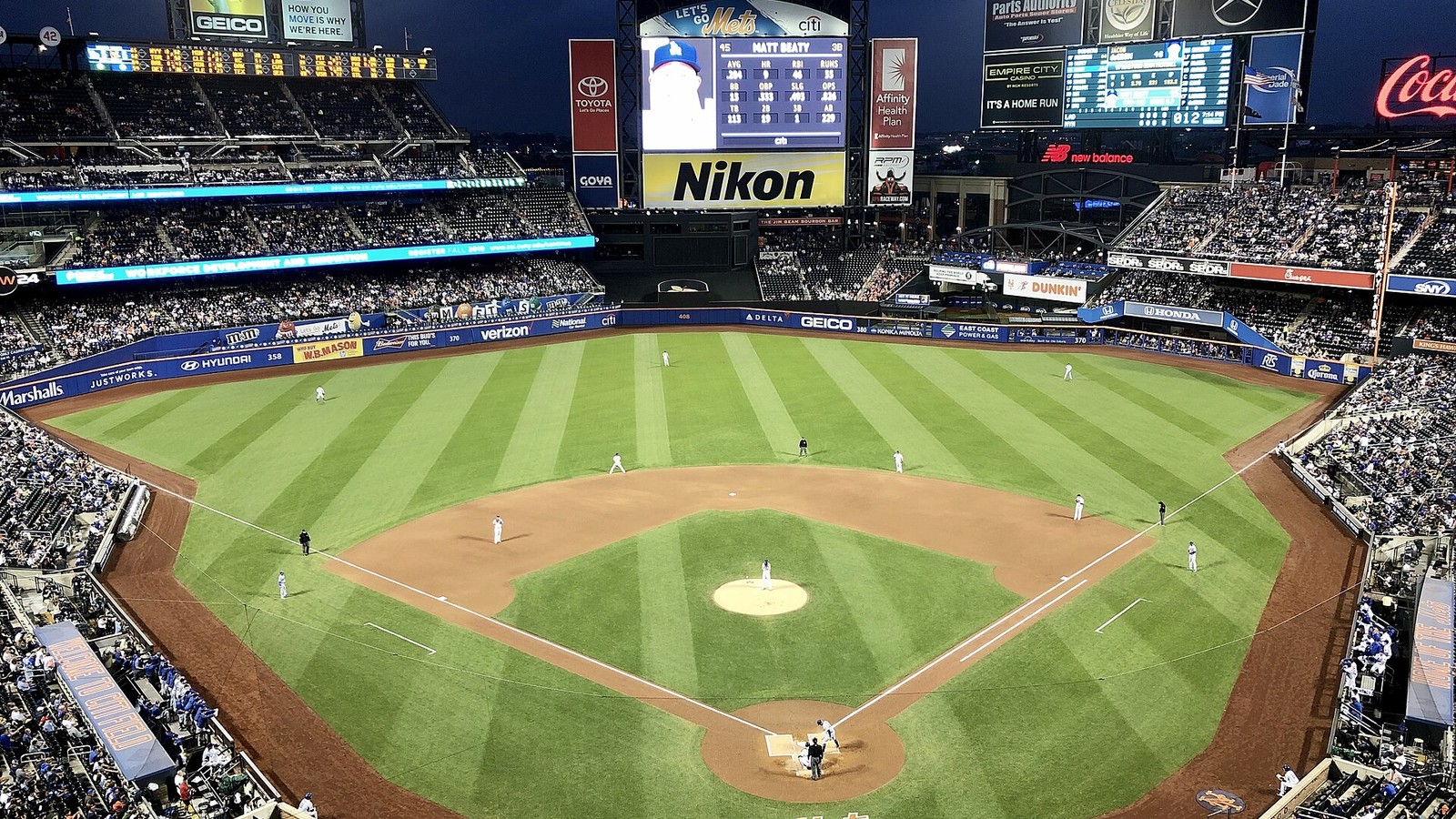
New York City FC lead CF Montréal 1-0 at halftime at Citi Field, Andrés Perea's 41st-minute right-footed finish from a Nicolás Fernández assist separating the sides in Major League Soccer play.
The goal arrived late in a first half that Montréal largely controlled in terms of chance quality. The visitors generated 0.33 expected goals to NYCFC's 0.29, and their set-piece work was the primary driver: 0.26 xG from dead balls against 0.17 for the home side. Montréal also produced the half's only big chance, a 1-0 edge that makes the scoreline flattering to the hosts on the balance of play.
Match stats at half-time
CF Montréal created the better chances: 0.33 xG to 0.29.
Perea's Moment Against the Run of Play
Perea's goal carried an xG value of 0.12, a low-percentage look that he converted anyway. It was NYCFC's only shot on target of the half, against Montréal's zero, and it came from open play — the one phase in which the home side held the edge, 0.12 xG to 0.07.
Fernández's assist was the decisive link. The build-up did not rely on sustained pressure: NYCFC managed just 2 shots to Montréal's 4, and their 12 touches in the box to Montréal's 5 reflect a team that got into dangerous areas without generating volume. Perea's individual line — 1 goal, 0.29 xG — accounts for the entire home attacking return.
Possession Without Penetration
NYCFC held 58 percent of the ball and completed 229 passes at 89 percent accuracy, against Montréal's 157 at 84 percent. But the territorial split was nearly even: 54 passes in the opposition half for NYCFC, 56 for Montréal. The home side's possession was real; its penetration was not.
Shots by player
Andrés Perea had the most shots, 2.
Figures in shots
James Sands and Daniel Pereira anchored the NYCFC midfield, with Pereira contributing 0.09 xG of the team's 0.29 total. Dawid Bugaj featured in the Montréal shape as the visitors absorbed pressure and looked to spring forward. The duel count favored NYCFC 27-22, and they won the foul count 8-9 while picking up one yellow card to Montréal's two — a first half that stayed physical without boiling over.
What Montréal Need to Fix
Montréal's problem is conversion, not creation. They out-shot NYCFC 4-2, out-generated them on xG, and produced the half's only clear-cut opportunity. Their 0.26 set-piece xG suggests NYCFC's defending from dead balls is the most vulnerable part of their lead.
For NYCFC, the halftime message writes itself: protect the set-piece zone, and find a way to turn 58 percent possession into more than two shots. One goal from 0.29 xG is efficient. It is also fragile.
Sources

Editor
Peter OlaleruPeter is the editor of Measured Take and a cybersecurity professional. He leads our news, fact checks, sport and guides from around the world, with a particular eye on cyber attacks, data breaches, scams, AI and misinformation.
More from Sports


Conversation
Reader notes
Loading comments...