Napoli Turn to 3-4-3 as Frosinone Bring 4-2-3-1 to the Maradona
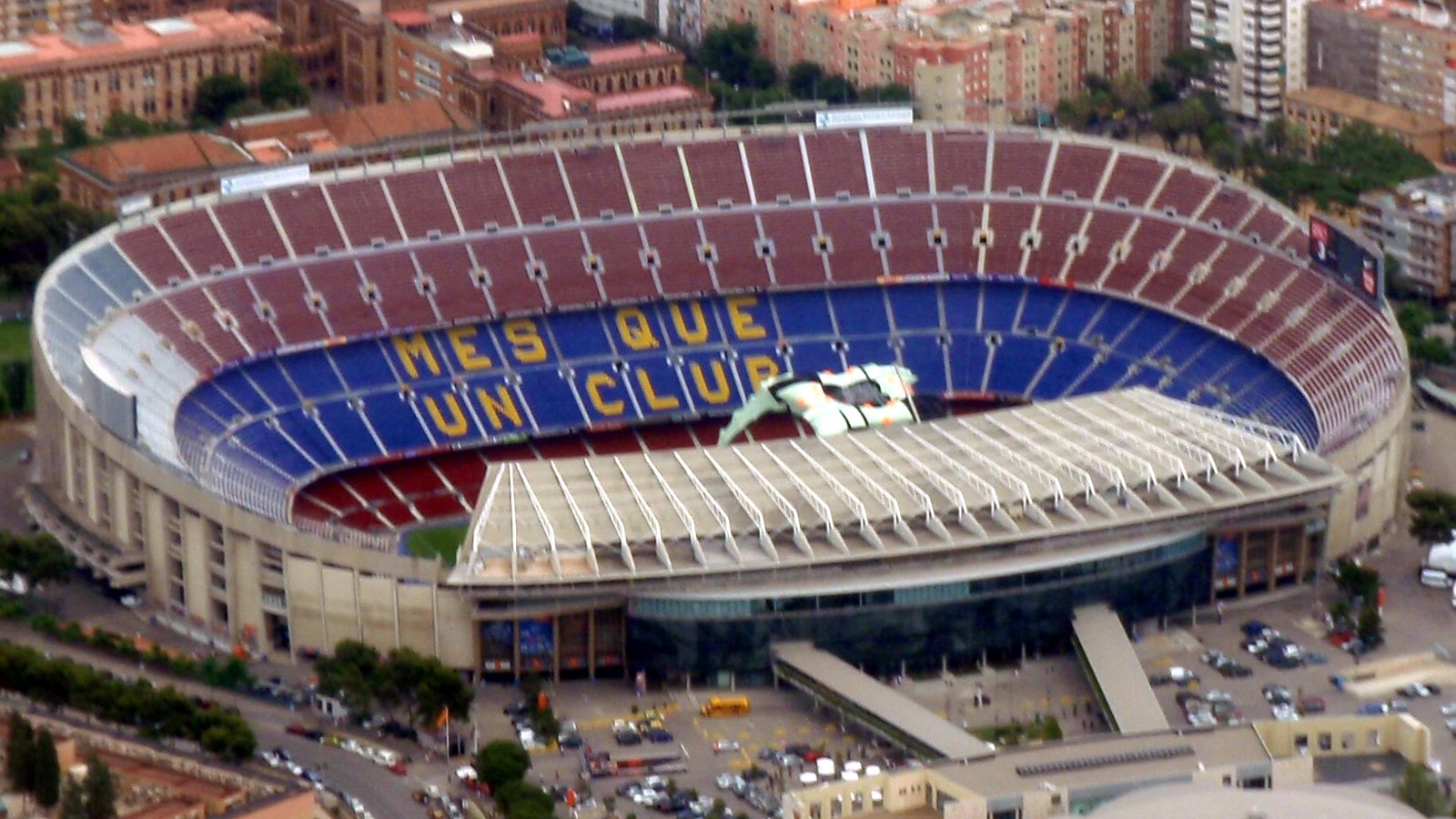
Confirmed XIs for Napoli vs Frosinone in Serie A: Napoli's 3-4-3 meets Frosinone's 4-2-3-1 at the Stadio Diego Armando Maradona.
- Match
- Napoli vs Frosinone
- Competition
- Serie A
- Kick-off
- October 10, 2026
- Status
- LIVE
- Score
- 2-0

Napoli and Frosinone have confirmed their starting XIs for Saturday's Serie A fixture at the Stadio Diego Armando Maradona, and the two shapes set up the night's central question before a ball is kicked. Napoli go with a 3-4-3. Frosinone answer with a 4-2-3-1.
The teamsheet lands in a match where the table reads against the hosts. Frosinone, promoted this season, arrive above Napoli in the Serie A standings, and the visitors travel to Campania off the back of a win over Como. Napoli's task at the Maradona is therefore a leapfrog job: beat the side currently ahead of them and the standings shift.
Napoli's 3-4-3 and the men holding it
Alex Meret starts in goal behind a back three, with Amir Rrahmani and Benoît Badiashile named among the defensive core. The 3-4-3 gives Napoli three central defenders, a four-man midfield band and a front three — width from the wing-backs, numbers centrally, and a structure that can push the full width of the pitch in possession.
Rrahmani's presence in that line matters for how Napoli defend the box and how they build from the back. Badiashile alongside him gives the back three a second recognised centre-back profile, which is the point of the shape: three defenders to cover the channels when the wing-backs advance, and enough bodies centrally to absorb Frosinone's counter-attacks.
The front three is the attacking end of the same idea. With three forwards and two wing-backs, Napoli can attack with five players across the final line while still leaving three defenders plus the midfield pair to guard against transitions. Against a 4-2-3-1, that is a deliberate overload: Frosinone's two holding midfielders must decide whether to track the wing-backs or protect the centre.
Frosinone's 4-2-3-1 and the away plan
Frosinone set up with four at the back, a double pivot, three attacking midfielders and a lone striker. Anthony Oyono and Antonio Raimondo are in the XI, Oyono in the defensive line and Raimondo leading the attack.
The 4-2-3-1 is the mirror problem for Napoli's 3-4-3. Frosinone's two holding players screen the space in front of the back four, while the three behind Raimondo can press Napoli's back three or drop to block the midfield band. If Frosinone's front four press aggressively, Napoli's three centre-backs become the free men in build-up — the shape invites Meret and his defenders to play through the first line.
Raimondo's role as the lone striker is the away side's reference point. He holds the ball while the three attacking midfielders join, and he is the target when Frosinone go direct against Napoli's back three. Oyono, at the other end, is part of the back four tasked with managing Napoli's front three without a spare defender — the exact numerical problem the 3-4-3 is designed to create.
What the selections imply
The match is a shape contest before it is anything else. Napoli's 3-4-3 asks Frosinone's 4-2-3-1 to solve a width-and-overload problem: three Napoli forwards against four Frosinone defenders, two Napoli wing-backs against Frosinone's wide midfielders, and a back three that can defend one-v-one if Frosinone's press is beaten.
Frosinone's counter is the double pivot. Two holders in front of the back four can clog the central lane where Napoli's front three want to combine, and the three attacking midfielders can spring Raimondo on the break when Napoli's wing-backs are high.
Kick-off at the Stadio Diego Armando Maradona will show which shape imposes itself first. Napoli need the win to climb above their promoted visitors. Frosinone, already ahead of them, need only to keep the structure that got them there.
Sources
- [1]FotMob
- [2]Photo: Unsplash

Editor & Founder
Peter OlaleruPeter is the founder of Measured Take and a cybersecurity professional. He covers breaches, vulnerabilities, threat intelligence, APTs, and compliance. His reporting draws on hands-on experience in the security industry to make complex threats understandable.
More from Sports

Conversation
Reader notes
Loading comments...