Leeds 1-1 Man United: Carrick's Old Balance Is Being Judged on a New Squad
United's draw at Elland Road leaves them on 1.0 points per game this season, against 2.29 in Carrick's 2025/26 window — with a summer of squad turnover in betwe
- Match
- Leeds United vs Manchester United
- Competition
- Premier League
- Kick-off
- October 18, 2026
- Status
- FULL TIME
- Score
- 1-1
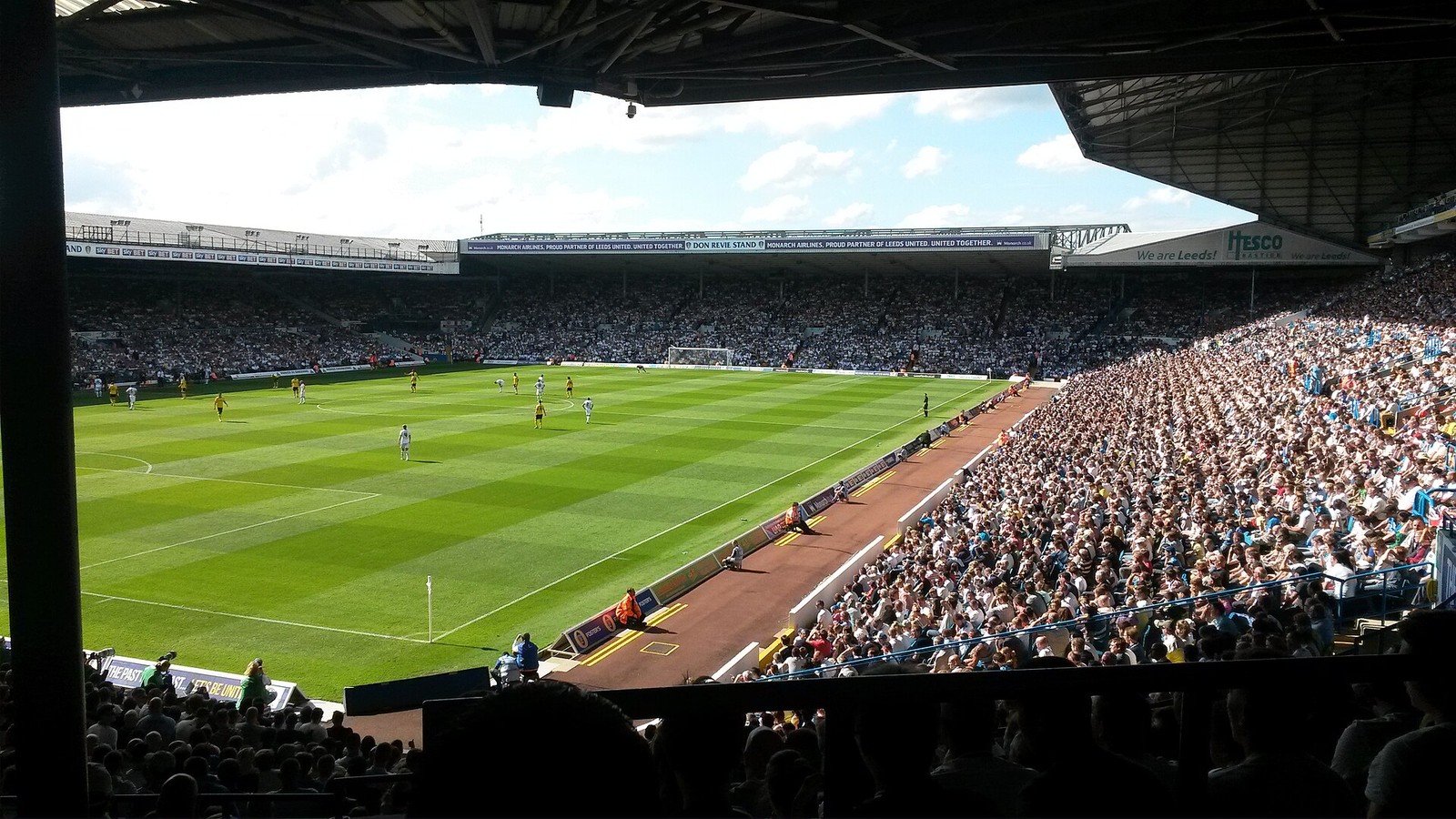
Manchester United left Elland Road with a 1-1 draw on 18 October, Bryan Mbeumo's 35th-minute goal cancelled out by Dominic Calvert-Lewin six minutes after half-time. On the surface it is a point on the road against a Leeds side that had 61 per cent of the ball. The more useful question is what it says about a United team whose current return is being measured against a managerial window that no longer exists.
The raw numbers from the match are worth setting out plainly. Leeds had 61 per cent possession to United's 39, and an expected goals figure of 1.44 against 0.91. Shots were closer — 13 to 12 in United's favour — but Leeds put five on target to United's three. Big chances were level at two apiece, and corners were 3-2 to United. This was not a case of one side creating everything and the other stealing a point; Leeds created the better and more numerous chances, and United's goal came from one of their three shots on target.
The comparison that frames everything
Michael Carrick was appointed interim head coach on 13 January 2026, with a deal running to the end of the season, and his first game was against Manchester City at Old Trafford. His backroom team included Steve Holland, Jonathan Woodgate, Jonny Evans and Under-21s coach Travis Binnion. In 2025/26, United took 2.29 points per game across 17 league matches — 12 wins, three draws, two defeats. That is the benchmark against which everything since has been read.
This season tells a different story. Across seven league games, United have one win, four draws and two defeats: 1.0 point per game. The 2026/27 start has been described as turbulent and underwhelming, with five points from five Premier League games at one stage, a Carabao Cup exit to Brighton, and a position just three points above a Tottenham side on two points. Tottenham's summer spend is put at £334 million.
The gap between 2.29 and 1.0 is stark. But the comparison only holds if the squad is comparable, and the evidence points to significant turnover. Since the summer, United have added Carlos Baleba, Cristian Orozco, Youri Tielemans and Andrey Santos, while Toby Collyer, Casemiro, Louis Jackson, Tyler Fredricson, Radek Vítek and Rasmus Højlund have departed. That is a substantial change in central areas and up front. Replicating the 2025/26 balance was never going to be a matter of picking up where Carrick left off.
What the Elland Road numbers show
The performance data fits that reading. United's 256 accurate passes here came against an average of 437.8 across their earlier 2026/27 matches in all competitions. Their 39 per cent possession was down on a 51 per cent average. They managed 13 touches in the opposition box against an average of 25, and three corners against an average of 6.4. Those are not the numbers of a team sustaining pressure; they are the numbers of a team struggling to impose itself.
The fixture list offers some context. United face six games in 21 days from 10 October, beginning at home to Tottenham. The Leeds draw sits within that stretch, alongside a 1-1 draw with Tottenham, a 2-0 Champions League defeat to Atlético Madrid and a 1-1 draw at Fulham. Results before and including this match, oldest first, read: a 1-0 defeat to Manchester City, a 3-2 Carabao Cup loss to Brighton, a 1-1 draw at Fulham, a 1-1 draw with Tottenham, a 2-0 defeat at Atlético, and this 1-1 at Leeds.
There is a temptation to frame this as a managerial problem: the 2025/26 return was strong, the current return is weak, therefore something has gone wrong with the management. That reading is too simple. If Carrick's methods were the primary driver, the current squad should grow into them. If the 2025/26 return was substantially a product of the specific players available — Bruno Fernandes broke the all-time Premier League assist record that season with 21 — then the summer turnover explains a great deal, and the current points return is less a verdict on Carrick than a measure of how much rebuilding remains.
The sample is small. Seven league games is not a trend, and the October congestion is a factor. But the underlying numbers at Elland Road — low pass volume, low box touches, low corner count — are consistent with a team that has not yet found its shape. The next six games in 21 days will not settle the debate, but they will start to show whether United are integrating or stagnating. Until then, the comparison with Carrick's 2025/26 window remains a question, not an answer.
Sources

Editor & Founder
Peter OlaleruPeter is the founder and editor of Measured Take and a cybersecurity professional. He leads our news, fact checks, sport and guides from around the world, with a particular eye on cyber attacks, data breaches, scams, AI and misinformation.
More from Sports



Conversation
Reader notes
Loading comments...