Jensen Huang's return: how Nvidia's board weighed a spy inquiry and a $1tn rally
Nvidia's board voted unanimously to reinstate Jensen Huang as CEO on November 23, 2026, after input from senior US officials and a call from President Trump....
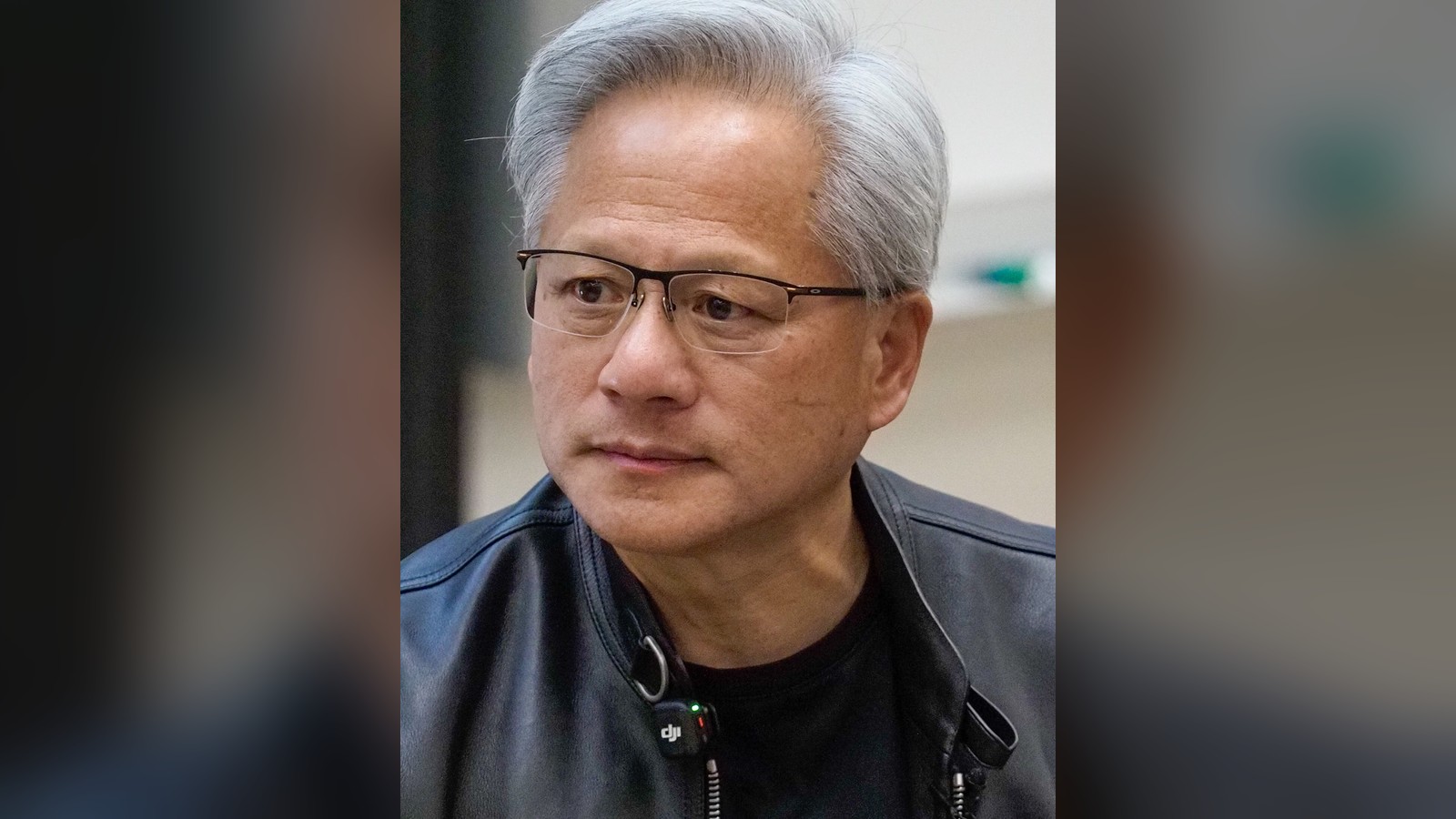
Nvidia's board voted unanimously on November 23, 2026, to reinstate Jensen Huang as president, chief executive, and board director, effective immediately. The decision came less than two weeks after Huang resigned on November 12 amid reports of multiple extramarital affairs, including one with a woman US officials suspected of working with Chinese intelligence.
The board said it received input from senior levels of the US government and concluded that Huang's return poses no national security risk.
The Nasdaq jumped nearly 7%, the S&P 500 gained 5%, and the Dow climbed 3.1%, about 1,500 points. All three major indexes were on track for their best day since April 2025.
The rebound followed a brutal stretch. Last week, all three major US indexes recorded weekly losses of 8% or more. The S&P 500 ended with its seventh straight day of losses. The Nasdaq had plunged more than 5% on Friday alone and was in the red for the year before Monday's bounce.
Huang's resignation on November 12 followed reports of affairs, including one with a woman US officials feared could be working with Chinese intelligence and another with a direct subordinate. Federal authorities have been investigating Megaspeed, where the businesswoman, Alice Huang, was an executive, since 2024 over potential export control violations. Authorities interviewed Alice Huang as part of that investigation.
The board formed a committee of independent directors to investigate the foreign intelligence effort. That investigation will proceed to conclusion despite Huang's reinstatement, and the board said Huang fully supports it. Nvidia also formed a National Security and Export Control Committee and is searching for a new chief compliance officer. Colette Kress, who served as interim CEO, will continue as chief financial officer.
Huang is scheduled to give closed-door testimony on Capitol Hill in early December, following demands from Republicans in charge of three House committees. The testimony will be a key test of whether the national security questions that prompted his resignation have been resolved or merely deferred.
The episode raises a question that goes beyond Nvidia: what does it mean when senior US government officials help decide who runs a private company? The board said it received input from senior levels of the US government. Trump said he intervened. The board concluded there was no national security risk. But the independent investigation continues, and Congress has not finished its work.
The market's reaction suggests investors see Huang as irreplaceable to the AI trade. Glen Smith, chief investment officer at GDS Wealth Management, said the decision "helps to remove a key level of uncertainty from the AI trade."
Jonas Goltermann, chief markets economist at Capital Economics, called Monday's moves a "dead cat bounce" and said "another substantial selloff is quite likely."
The broader context is unsettled. The Commerce Department issued new licensing requirements aimed at further cutting off Chinese access to advanced US chips two days before Trump landed in Shenzhen for the APEC summit. China's Ministry of Foreign Affairs called the restrictions "a typical case of economic coercion," and the Ministry of Commerce warned of countermeasures. Anthropic's blockbuster IPO last week did little to quell investor concerns about AI regulation, valuations, and a slowdown in data center investment. Anthropic's shares dropped 8.5% on Friday, closing at $88.91, just above the IPO price of $83.
Trump said he believes Huang did "nothing wrong" and that Republicans will "come around" on the decision. He consulted with Vice President JD Vance, Treasury Secretary Scott Bessent, and Commerce Secretary Howard Lutnick.
What exactly senior US government officials told the Nvidia board has not been disclosed. Whether that input constituted pressure or guidance is not yet known. The independent committee's investigation could still produce findings that complicate Huang's tenure. His closed-door testimony in early December could trigger further congressional action. And the market rally could fade if the AI investment boom continues to show signs of cooling.
For now, Huang is back. Nvidia's board voted unanimously. The President said he intervened. The stock added $1 trillion. The investigation continues. The testimony is scheduled. The questions remain.
Sources
More from Business


Conversation
Reader notes
Loading comments...