Healey's £15bn headroom: £8.6bn thinner than March
John Healey's first Autumn Budget leaves £15bn of fiscal headroom, down from £23.6bn in March, as debt interest rises by £14bn.
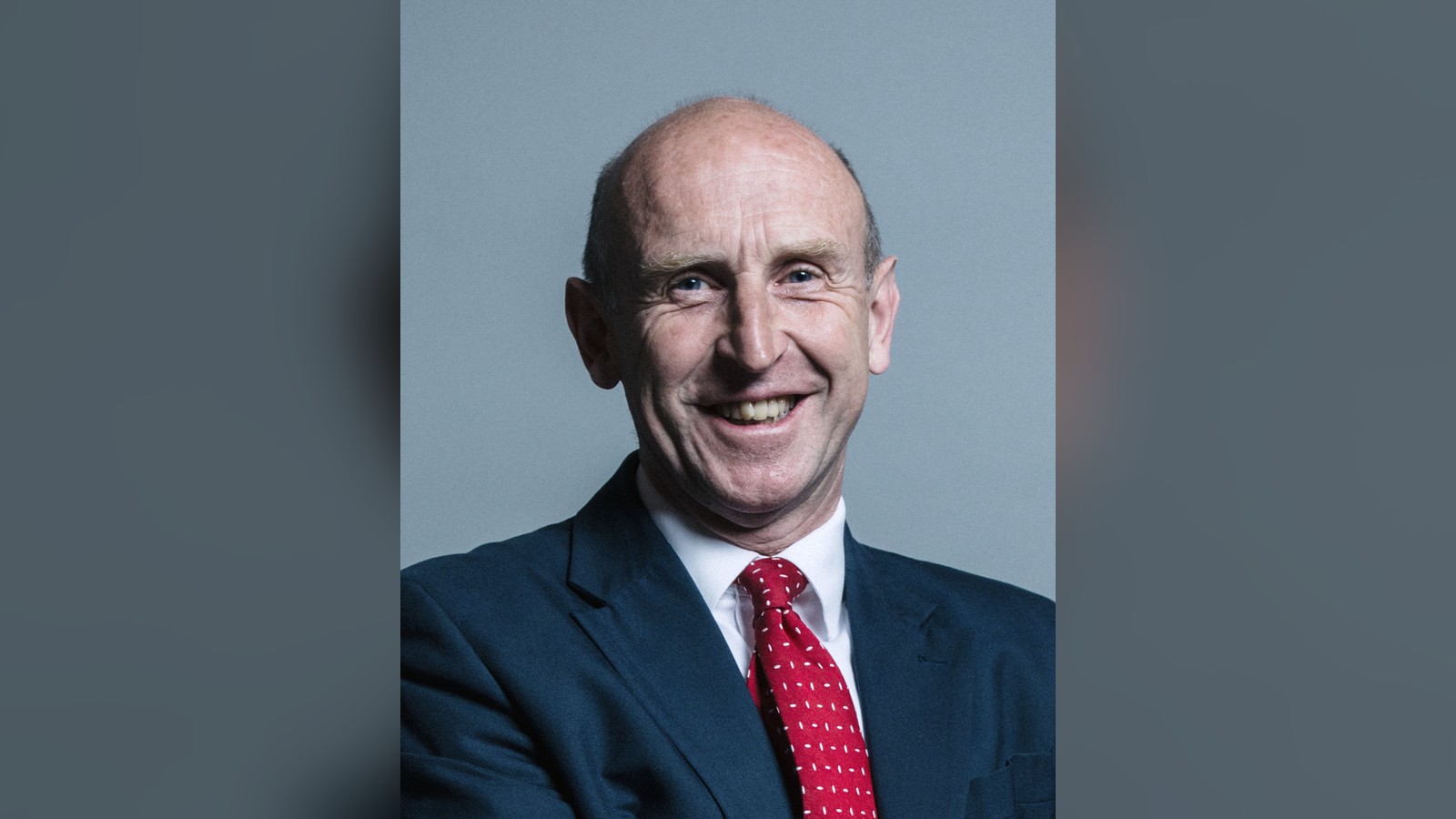
John Healey delivered his first Autumn Budget as Chancellor of the Exchequer on Wednesday 28 October 2026, and the number that frames everything else is £15bn. That is the government's fiscal headroom — the margin it holds against its own fiscal rules — and it is £8.6bn smaller than the £23.6bn recorded in March. The figure matched expectations from a Reuters poll, so it was not a surprise. It is a constraint.
Healey called the budget "steady as you go", pairing support measures for households and businesses with an effort to avoid adding pressure from the bond market. The reason for the squeeze is visible in the debt-interest line: the UK will spend £14bn more on debt interest this year. Healey attributed that to global uncertainties, naming trade tensions and the war in Iran, which he said has driven up energy costs and interest rates for British families.
This is the first budget since Andy Burnham became prime minister and Labour leader three months earlier. It sets tax and spending direction for households and businesses at a time of global economic pressure, and the reduced headroom limits how much room the government has for future support or tax cuts under its own fiscal rules.
UK fiscal headroom
Fiscal headroom is £15bn, £8.6bn smaller than the £23.6bn recorded in March.
Markets took it in stride. The 10-year gilt yield fell 2 basis points to 5.323%, and the 30-year fell 3 basis points to 5.711%. Sterling slipped 0.1% to $1.3298. The FTSE 100 rose 0.1%, and the domestically focused FTSE 250 rose 0.4%. Bank shares rose after a smaller-than-feared measure. These are small moves, not a verdict of alarm.
The central tension is not whether Healey announced giveaways. It is that he announced them with less room to absorb a shock than he had in March. A £15bn cushion is not nothing. But it is thinner, and the debt-interest bill is the reason. What specific tax and spending measures make up the support, how the smaller buffer affects future budgets, and how energy costs and the Iran war feed through to UK inflation and interest rates are questions the budget leaves open.
Sources

Editor & Founder
Peter OlaleruPeter is the founder and editor of Measured Take and a cybersecurity professional. He leads our news, fact checks, sport and guides from around the world, with a particular eye on cyber attacks, data breaches, scams, AI and misinformation.
More from Business



Conversation
Reader notes
Loading comments...