Healey says benefits bill must fall, but No 10 rules out pre-2029 cuts
Healey said the benefits bill must come down, then said no timetable exists. Downing Street denied cuts before the next election within hours.
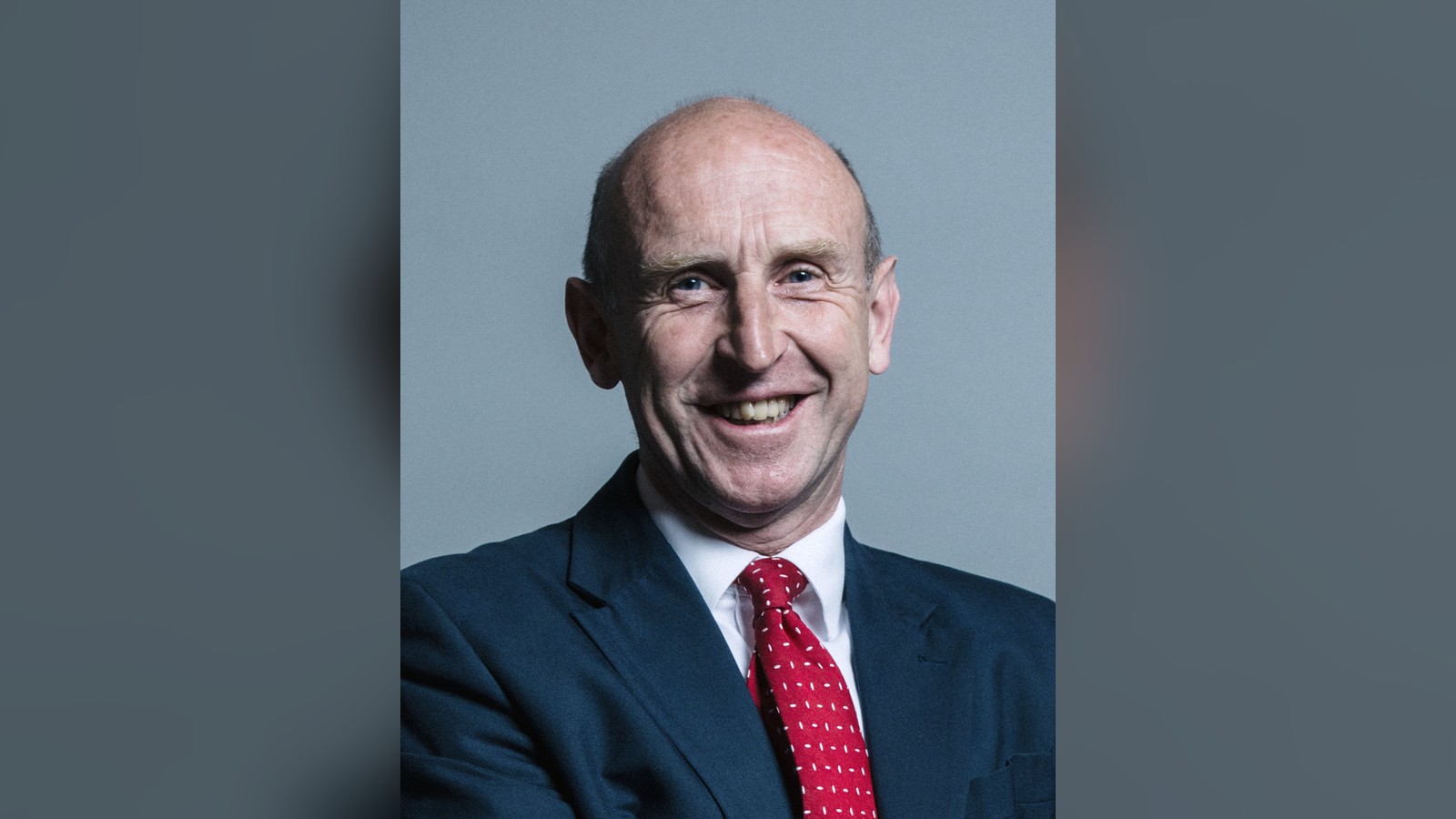
Chancellor John Healey told the BBC on 29 October that the government would reduce spending on welfare benefits. "We have to bring the benefits bill down," he said. "You don't do that by crude cuts." Asked whether that would happen before the next election, due no later than mid-2029, he made no commitment on timing.
The answer caused confusion. Reports suggested cuts would begin before July 2029. Downing Street issued a hurried statement denying any such plans, calling it an incorrect interpretation of Healey's reply.
Later the same day, Healey told Channel 4 News it was "not correct to say that we're going to bring this welfare bill down in this parliament because we've not set a timetable for that." Prime Minister Andy Burnham's spokesman said the government "never set an arbitrary target or timetable."
Stealth tax vs benefits bill rise (£bn)
The £33bn stealth tax would be swallowed by a £3bn rise in the benefits bill.
The sequence leaves the policy where it started: a stated intention to reduce welfare spending, no date attached, and no clarity for voters or fiscal planners on whether cuts will land before the election. Burnham ruled out an early general election in the next 12 months on 28 October, so the legal deadline of mid-2029 remains the operative horizon.
The fiscal backdrop sharpens the ambiguity. The Centre for Social Justice warned that £33bn in stealth tax from frozen income tax thresholds would be swallowed by a £3bn rise in the benefits bill. Helen Miller, head of the Institute for Fiscal Studies, called Healey's Budget "risky" and said it exposed Britain to future economic shocks.
What is established: Healey said the bill must come down; he set no timetable; Downing Street denied cuts before the election; Healey then said bringing the bill down in this parliament is not correct to state. What is not established: whether welfare spending will fall at all in this parliament, and how the £3bn rise will be funded if not through cuts.
Sources

Editor & Founder
Peter OlaleruPeter is the founder and editor of Measured Take and a cybersecurity professional. He leads our news, fact checks, sport and guides from around the world, with a particular eye on cyber attacks, data breaches, scams, AI and misinformation.
More from Politics


Conversation
Reader notes
Loading comments...