Europe's Sakharov Prize to ICC: a symbolic answer to US sanctions
The European Parliament gave the ICC its top human rights prize on October 22, less than two weeks after the US announced sanctions banning transactions with...

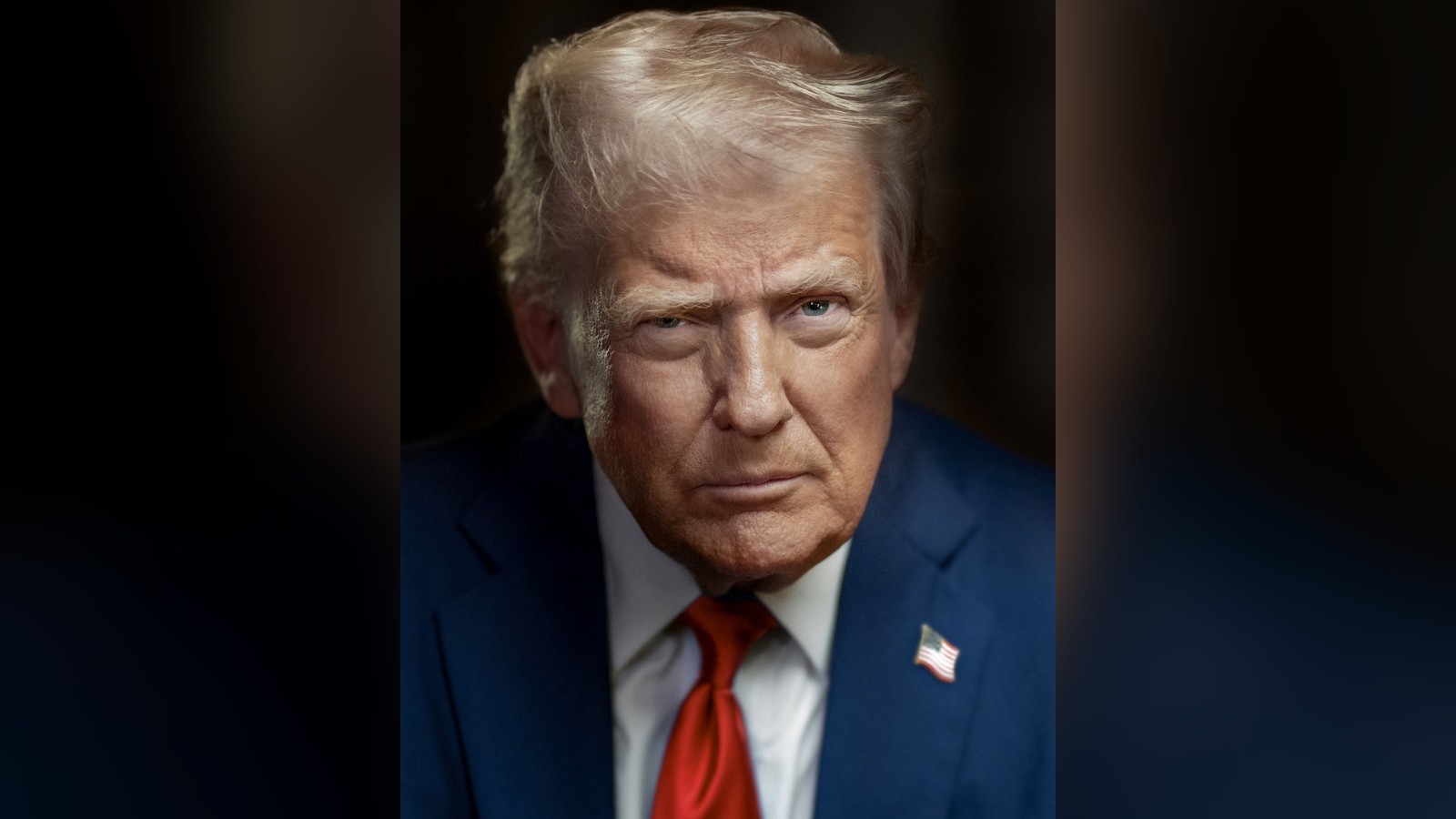
The European Parliament awarded the 2026 Sakharov Prize for Freedom of Thought to the International Criminal Court and its officials on Thursday, October 22, announced by Parliament President Roberta Metsola. The award came less than two weeks after US President Donald Trump announced sanctions against the court, with Secretary of State Marco Rubio stating on October 9 that the United States would ban transactions with the ICC and cut off its resources.
Metsola said the prize recognizes the court's work upholding international law and justice, framing the decision around multilateralism and international institutions. The ICC thanked the European Parliament.
It is the second international recognition for the court this month. Former ICC Judge Navi Pillay was awarded the Nobel Peace Prize for her work promoting peace and international law.
The timing is the substance. Rubio's statement said the US would "ban transactions with this rogue court, cutting off their resources and crippling its ability to operate." If the sanctions take effect in six months as threatened, they would effectively bar all financial transactions with the court and could force internet companies to halt its email and computer systems. Trump had already sanctioned 13 ICC judges and prosecutors, obstructing their access to credit cards and bank accounts. The new measures target the entire institution.
That is the asymmetry worth naming. The European Parliament's prize is symbolic; the US measures are financial. A human rights award does not pay salaries, fund investigations, or keep servers running. The open question is whether the EU or its member states follow the gesture with money or legal mechanisms to shield the court from US sanctions. Nothing in the record yet shows they will.
What the prize does establish is a widening transatlantic split over international law, stated in institutional terms rather than diplomatic ones. The EU's legislature chose to elevate the court in the same month Washington moved to starve it. Whether that translates into material support is untested. The sanctions are threatened to take effect in six months, and the court's ability to continue war crimes prosecutions depends on what Europe does between now and then — not on what it awarded this week.
Sources

Editor & Founder
Peter OlaleruPeter is the founder and editor of Measured Take and a cybersecurity professional. He leads our news, fact checks, sport and guides from around the world, with a particular eye on cyber attacks, data breaches, scams, AI and misinformation.
More from Politics


Conversation
Reader notes
Loading comments...