Palace Hand Wharton the Keys as Liverpool Chase Top Four at Selhurst
Crystal Palace name Adam Wharton in a 3-4-2-1 against Liverpool's 4-2-3-1 at Selhurst Park, with Pierre Sage's side 18th and the visitors sixth.
- Match
- Crystal Palace vs Liverpool
- Competition
- Premier League
- Kick-off
- November 8, 2026
- Status
- LINEUPS AVAILABLE
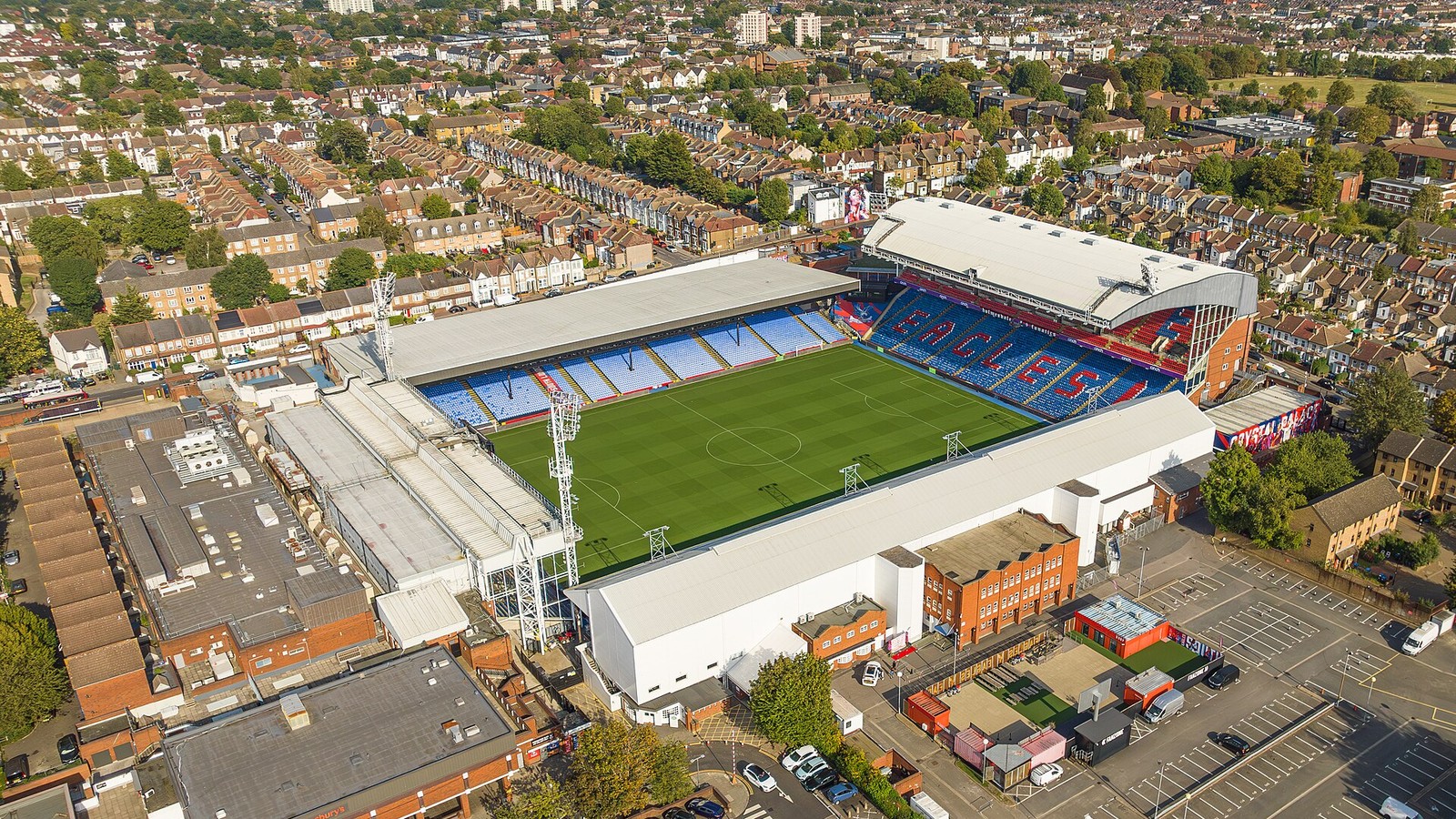
Crystal Palace and Liverpool have confirmed their starting XIs for Sunday's Premier League fixture at Selhurst Park, and the team sheets settle the shape question before a ball is kicked. Pierre Sage sends Palace out in a 3-4-2-1. Andoni Iraola sets Liverpool up in a 4-2-3-1.
The match pits 18th against sixth. Palace have seven points from nine games and sit in the bottom three. Liverpool have 15 points and are chasing a return to the top four after a run that has included defeats in consecutive competitions. Both managers have named their strongest available lineups, and the formations tell you where each side expects the game to be played.
Wharton Starts in a Back-Three System
Adam Wharton is in the Palace XI, and his role in a 3-4-2-1 is the most interesting selection on the sheet. The shape gives Sage three centre-backs, two wing-backs, a central midfield pair and two attacking midfielders behind a lone striker. Wharton is the passer in that midfield two. Palace's season has been a struggle for control — they begin the weekend in the relegation zone — and Wharton's ability to progress the ball from deep is the mechanism Sage is betting on to get his side up the pitch against a Liverpool press.
Axel Disasi also starts in the back three. Palace's defensive structure will be tested by a Liverpool front line that includes Alexander Isak, who has made an impression since arriving and starts again here. Isak's movement between the lines is the exact problem a back three has to solve, and Disasi's job is to track him without stepping out of the chain.
Liverpool's 4-2-3-1 and the Midfield Question
Iraola's Liverpool shape is a 4-2-3-1, with Alisson Becker in goal and Alexis Mac Allister in the double pivot. Mac Allister's role is to receive from the back four and turn under pressure — the first pass out of Liverpool's build-up goes through him. Palace's two attacking midfielders in the 3-4-2-1 will try to screen that pass, which is why Wharton's positioning alongside his midfield partner matters as much as his passing.
Liverpool's front four will attack a Palace back three that has conceded goals in bunches this season. Isak starts through the middle, and the 4-2-3-1 gives Liverpool a spare man in central midfield if Palace's two forwards drop deep to help. That is the trade-off Sage has accepted: Palace will have three centre-backs to deal with Isak, but Liverpool can outnumber them in the middle if the game becomes a possession battle.
What the Selections Say About the Table
Palace are 18th with seven points. Liverpool are sixth with 15. The gap is eight points after nine matches, and the team sheets reflect the urgency on both sides. Sage has not gambled with his shape — the 3-4-2-1 is a structure designed to keep Palace compact and spring Wharton on the counter. Iraola has kept Liverpool's 4-2-3-1, which gives Mac Allister and his midfield partner the job of controlling the tempo while Isak and the wide forwards attack the space behind Palace's wing-backs.
The game at Selhurst Park is the last before the international break. Palace need a result to climb out of the bottom three. Liverpool need one to stay in touch with the top four. Both managers have named the lineups they believe can deliver it, and the shapes are set: Palace in a 3-4-2-1, Liverpool in a 4-2-3-1.
Sources
- [1]FotMob
- [2]The Guardian

Editor
Peter OlaleruPeter is the editor of Measured Take and a cybersecurity professional. He leads our news, fact checks and sport from around the world, with a particular eye on cyber attacks, data breaches, scams, AI and misinformation.
More from Sports

November 8, 2026
Brighton Name Unchanged XI as Brentford's Scoring Streak Meets the League's Meanest Home Record
November 8, 2026
Napoli 1-1 Lazio: Frattesi strikes, Pedraza own goal rescues point as xG gap tells different story
November 8, 2026
Genoa's Three-Match Run Meets Milan's Derby High as De Rossi and Amorim Name Starting XIs
Conversation
Reader notes
Loading comments...