Burna Boy at the Ballon d'Or: a first, but not the story
Burna Boy presenting the Sócrates Award at the 2026 Ballon d'Or is a genuine first for Nigeria, but it matters less as a novelty headline than as the lates
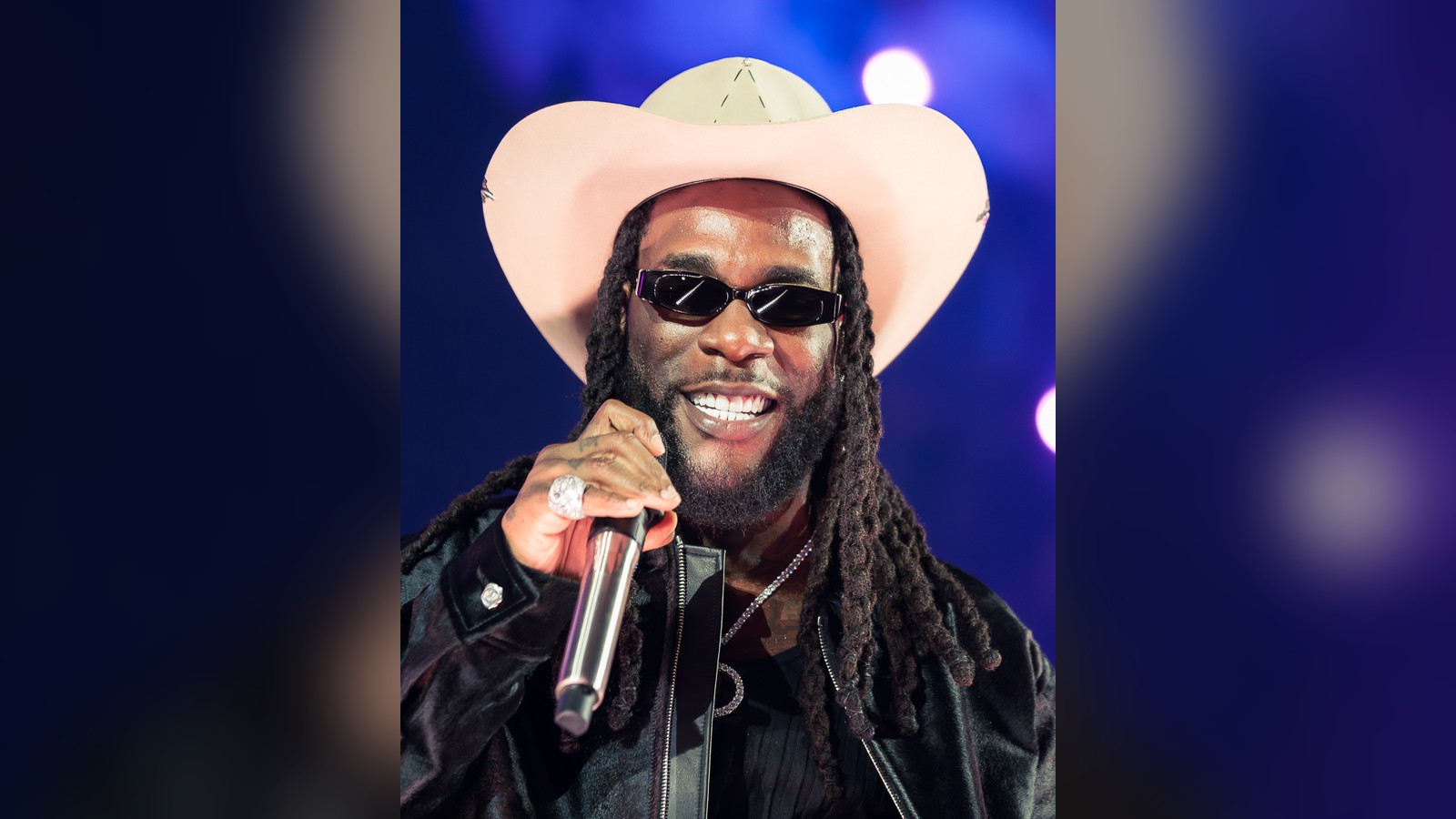
On Monday, 26 October 2026, at the London Palladium, Burna Boy handed the 2026 Sócrates Award to Bukayo Saka, becoming the first Nigerian to present an award at the Ballon d'Or ceremony. That is the fact, and it is a real one. But the more interesting question is not whether a Nigerian has stood at that lectern before. It is why the lectern now seems a natural place for an Afrobeats artist to stand.
The ceremony itself was already an exercise in reaching outward. It marked the award's 70th anniversary and was hosted in England for the first time, at the Palladium, with Kate Scott and Thierry Henry leading proceedings across thirteen accolades. Into that setting walked Burna Boy, fresh from a halftime show at the 2026 National Football League in Paris, and with a performance alongside Shakira at the FIFA World Cup final already behind him. Before presenting the award, he spoke about his football academy, launched in Lagos in August 2024, and said: "Hopefully, inshallah, one day I'll come back here to see one of my people getting an award in Ballon d'Or."
That sentence is the tell. A performer using a football stage to talk about a Lagos academy is not a musician borrowing sporting glamour. It is a musician treating football as infrastructure — a place where cultural capital, youth development and national soft power can be built. The presentation was the visible part. The academy is the part that will still be there when the cameras leave.
Set the moment against the same week's Nigerian music news and the picture sharpens. Wizkid became the first African artist to surpass 12 billion Spotify streams across all credits. Omah Lay postponed his world tour because of a knee ligament injury, giving an estimate of four to six weeks. One story is about reach; another is about the physical cost of sustaining that reach. Together they describe a genre that is no longer asking for a seat at the global table. It is already seated, and it is paying the bill in bodies and schedules.
This is why the novelty framing undersells the moment. "First Nigerian to present an award at the Ballon d'Or" is accurate, and the evidence supports nothing broader — it does not establish that Burna Boy was the first Nigerian involved in the ceremony in any capacity, and it says nothing about who else has presented awards in earlier years. But accuracy about the first is not the same as understanding the trend. Afrobeats artists are now fixtures at global sporting spectacles: not merely booked to perform at halftime, but trusted to confer prestige. That is a different kind of presence, and it deserves coverage that treats it as a pattern rather than a curiosity.
The strongest case against this argument is straightforward, and it should be taken seriously. One presenter slot at one ceremony is a thin peg for a sweeping claim about an entire genre's geopolitical rise. Award ceremonies are, by design, exercises in booking: organisers want a recognisable face, a bit of cross-cultural shine, and a clip that travels. A single appearance can be explained by scheduling and marketing rather than by any structural shift. And the same week's news cuts both ways. Wizkid's streaming milestone is a genuine marker of scale, but Omah Lay's postponed tour is a reminder that the crossover is uneven, personally costly, and dependent on the health and endurance of individual artists. If the story were truly one of unstoppable ascent, the week would not contain both a record and a retreat.
That objection is fair, but it proves less than it appears to. Trends are not established by single data points; they are established by the accumulation of them, and this is not a single data point. Burna Boy's appearance follows a halftime show in Paris and a World Cup final performance with Shakira. It sits alongside a Lagos football academy that predates the ceremony by more than two years. It lands in the same news cycle as an African streaming record. No one of these facts is decisive. Together they describe a direction of travel.
The honest conclusion is narrower than the headlines and more interesting than them. Burna Boy presenting at the Ballon d'Or is not proof that Afrobeats has conquered global sport. It is evidence that the relationship has changed shape — from performance booking to institutional presence, from entertainment export to something closer to soft power. The first is worth noting. The second is worth reporting properly, with context, scepticism and an eye on what comes next. If the academy in Lagos eventually produces a player who walks onto that stage, the novelty headline will look very small indeed.
Sources
More from Sports
October 27, 2026
Roma Name Unchanged Shape for Cagliari Visit as Gasperini's Side Chase Ninth Straight Without Defeat

October 26, 2026
PSG 2-0 Lyon: Late substitutes win it, but the points rate lags Blanc's benchmark
October 26, 2026
Sevilla 2-0 Osasuna: win ends the wait, but the balance question remains
Conversation
Reader notes
Loading comments...