Brent crude above $110: why Asian stocks fell as Riyadh and Paris rattled markets
Saudi Arabia postponed its Future Investment Initiative to 2027 amid Houthi attacks, as Asian stocks fell and Brent crude traded above $110 a barrel.
Saudi Arabia postponed its Future Investment Initiative, the flagship investment conference known as "Davos in the Desert," from its scheduled October 26–29 dates to an unspecified date in 2027. The postponement follows missile and drone attacks from Iranian-backed Houthi militants.
Riyadh's King Khalid International Airport reopened on Sunday, October 18, after being closed for more than a week. Air travel remained severely disrupted on Tuesday, October 20: about a quarter of scheduled departures from Riyadh were cancelled, and Etihad, Qatar Airways, Air France, Air India, IndiGo, KLM, Lufthansa, British Airways and Cathay Pacific extended or maintained suspensions.
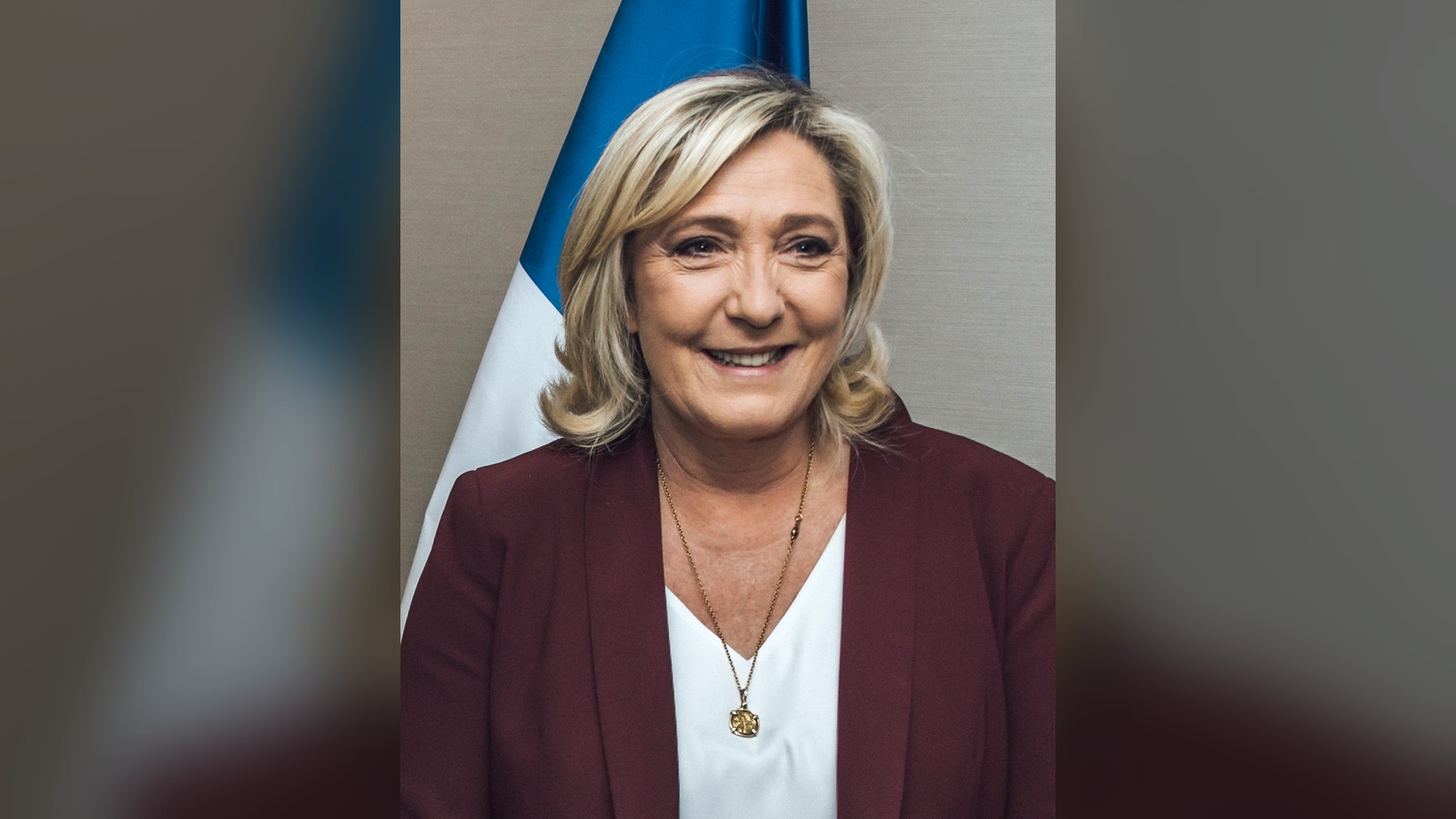
In France, nationwide riots have shaken the political establishment. Marine Le Pen has presented herself as the candidate in this spring's presidential election willing to restore order, while President Emmanuel Macron's government struggles to maintain control.
Asian market performance on Tuesday, October 20
Asian markets sold off on Tuesday, October 20, with the Kospi experiencing the largest decline at 4.3%.
Asian markets sold off on Tuesday, October 20. South Korea's Kospi fell 4.3% to 5,518.53, Japan's Nikkei 225 declined 1.4% to 64,008.53, Hong Kong's Hang Seng fell nearly 1.2% to 23,889.38, China's Shanghai Composite slipped 0.5% to 3,712.42, and Australia's S&P/ASX 200 lost 0.3% to 8,816.90. Brent crude traded above $110 a barrel, and WTI for December delivery traded around $98.
The selloff reflects two confidence shocks arriving at once rather than a single headline. Oil above $110 feeds directly into the energy-cost and inflation outlook that pressures technology and growth stocks in Asia. France's unrest raises the possibility of a far-right presidency that could reshape European policy.
The practical stakes for investors are higher energy costs, volatile equity markets, and a geopolitical risk premium that may not fade quickly if Saudi airspace remains disrupted and France's election campaign intensifies. Whether the investment summit is rescheduled to a specific 2027 date, how long Riyadh's airport operates under restricted schedules, and whether Brent holds above $110 are the open questions that will determine how long the risk premium lasts.
Sources

Editor & Founder
Peter OlaleruPeter is the founder and editor of Measured Take and a cybersecurity professional. He leads our news, fact checks, sport and guides from around the world, with a particular eye on cyber attacks, data breaches, scams, AI and misinformation.
More from Business


Conversation
Reader notes
Loading comments...