ASEAN Opens in Manila With Unity Pitch and a Crowded Guest List
ASEAN leaders opened a three-day Manila summit on Nov. 15, 2026, with the Middle East war, South China Sea, Myanmar and energy security on the agenda.
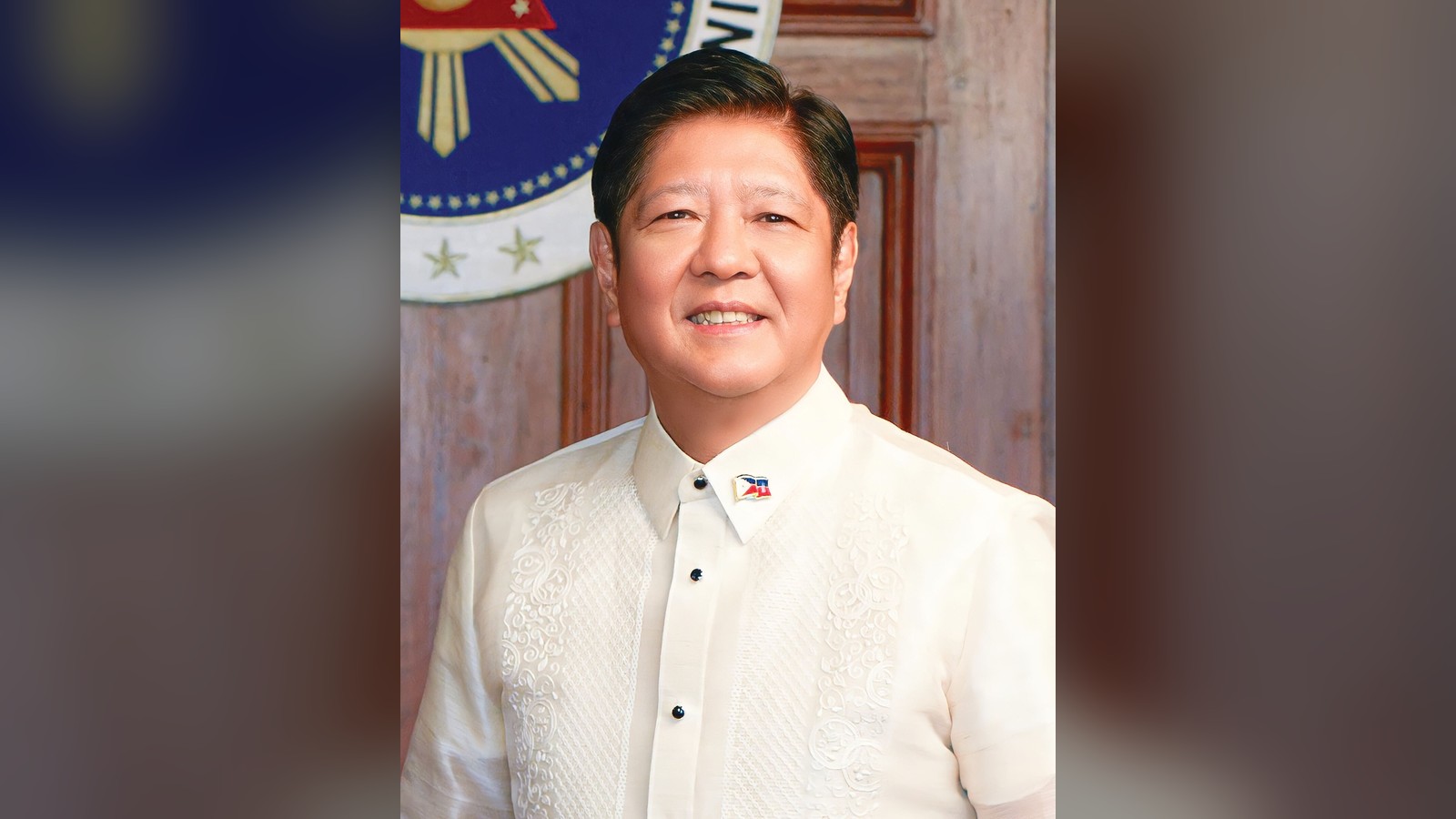
Southeast Asian leaders opened their annual summit in Manila on Sunday, November 15, 2026, for three days of talks. Philippine President Ferdinand Marcos Jr. is chairing the meetings.
Marcos said ahead of the summit that ASEAN needs to act as one amid multiple crises, citing rising oil prices, security concerns and an approaching El Niño. He also spoke before the ASEAN Leaders' Interface with ASEAN Youth representatives.
The agenda is dominated by the impact of international conflicts on regional security and economies. The Middle East war, tensions in the South China Sea, the crisis in Myanmar, energy security and regional cooperation are all on the table.
The guest list sets up a test of how the bloc positions itself between Washington and Beijing. Chinese Premier Li Qiang is expected at the 29th ASEAN-China Summit on Monday, November 16. U.S. President Donald Trump is expected to land in Manila with U.S. Secretary of State Marco Rubio on Tuesday afternoon, after the main ASEAN summit meetings have concluded.
That sequencing means the two major powers will not sit at the same table as the bloc's main sessions. It also means ASEAN's own deliberations come first, before the bilateral weight of Washington and Beijing arrives.
What the summit produces on the South China Sea and Myanmar remains open. The Myanmar crisis is on the agenda, and Myanmar's Director-General of the ASEAN Affairs Department Han Win Aung attended the opening, but no status update on the crisis itself has been provided. Whether the meetings yield concrete language on the South China Sea, or a coordinated response on energy costs and El Niño preparedness, is not yet known.
The summit is a test of whether ASEAN can coordinate a collective response on security and economic pressures at a moment when major-power competition and regional crises are converging. Outcomes could shape how the bloc handles the South China Sea, Myanmar and energy vulnerabilities — and how it positions itself between the U.S. and China.
Sources

Editor
Peter OlaleruPeter is the editor of Measured Take and a cybersecurity professional. He leads our news, fact checks and sport from around the world, with a particular eye on cyber attacks, data breaches, scams, AI and misinformation.
More from Politics


Conversation
Reader notes
Loading comments...