A $20m bounty and a 'minor' strike: Trump's Iran pressure campaign
U.S. strikes hit an Iranian air defense system Friday as Central Command offered up to $20 million for nuclear intelligence, with Democrats set to take Congr...

President Donald Trump said the U.S. military carried out new limited strikes on Iran on Friday, targeting an Iranian air defense system. Iranian state media reported two explosions in the Suza area of Qeshm Island, in the Strait of Hormuz.
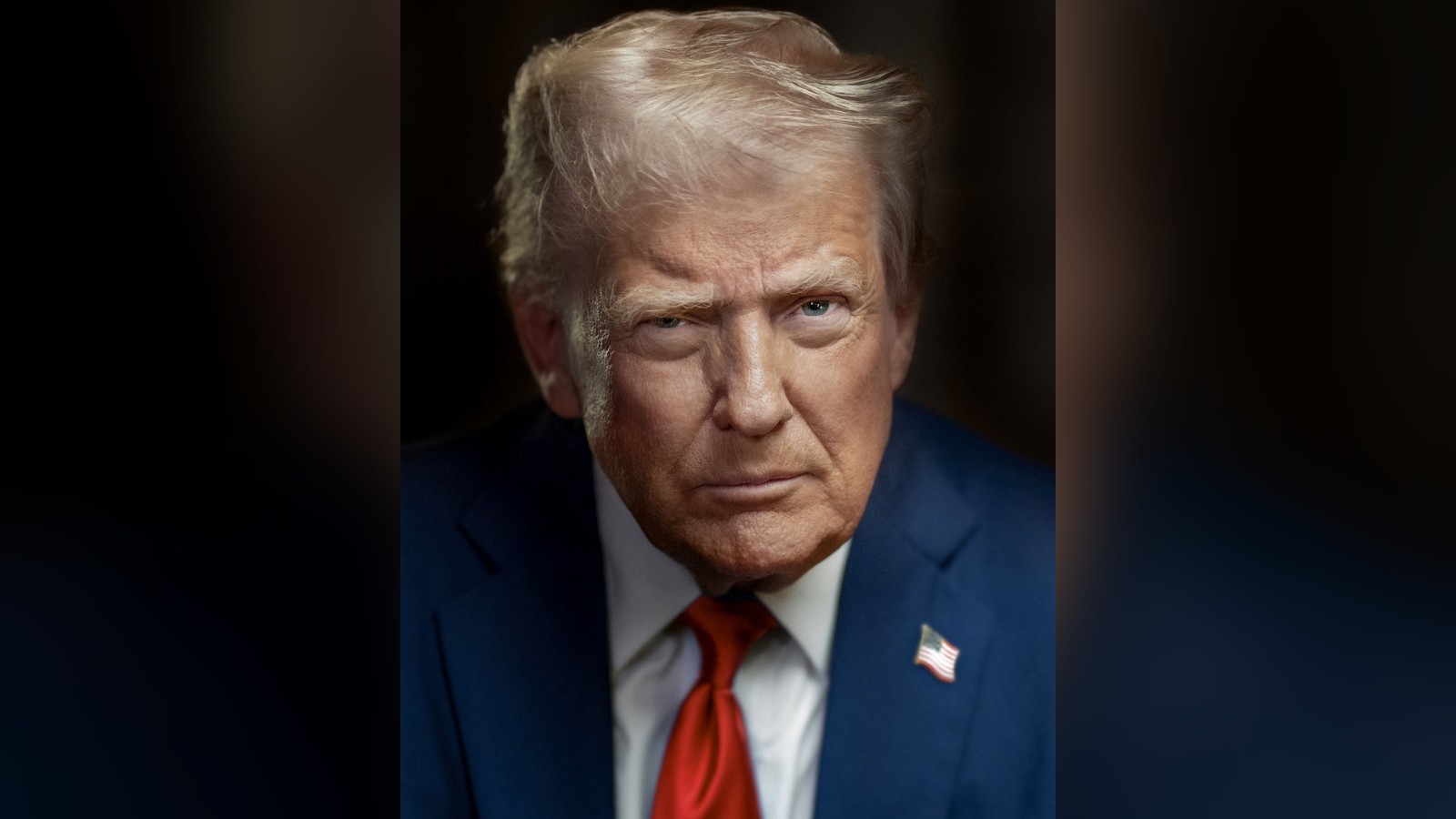
Trump described the action as "minor." Iran "built a little bit of an anti-aircraft device and we knocked it out in about 15 minutes, maybe five," he told reporters.
The same day, U.S. Central Command announced it is offering up to $20 million and possible relocation in exchange for information about Iran's nuclear program, its facilities, equipment or personnel.
That combination — a limited strike framed as minor, alongside a seven-figure bounty for nuclear intelligence — points to a strategy of sustained pressure without full-scale war. The administration is keeping heat on Tehran while avoiding the trigger that would widen the conflict.
Republicans face a lame-duck session with Democrats poised to take both chambers in January. House Minority Leader Hakeem Jeffries, the New York Democrat in line to become Speaker, has called for Defense Secretary Pete Hegseth's removal and said Democrats will push to end the war in Iran.
That means the conflict's next phase will be shaped not only by events in the Strait of Hormuz but by a power transition in Congress.
What the strikes did not settle is whether the pressure campaign can hold its current shape — limited enough to avoid a wider war, sharp enough to keep Iran at the table — once the incoming Democratic majority has the votes to challenge it.
Sources
- [1]apnews.com
- [2]cbsnews.com
- [3]breakingdefense.com
- [4]npr.org

Editor
Peter OlaleruPeter is the editor of Measured Take and a cybersecurity professional. He leads our news, fact checks and sport from around the world, with a particular eye on cyber attacks, data breaches, scams, AI and misinformation.
More from Politics


Conversation
Reader notes
Loading comments...