UK Vet Bills Surge 63%, Leaving Owners to Shoulder £14,000 Costs
A Bristol cat owner faces a £14,000 vet bill as UK veterinary costs rise 63% since 2016, highlighting the financial strain on pet owners.
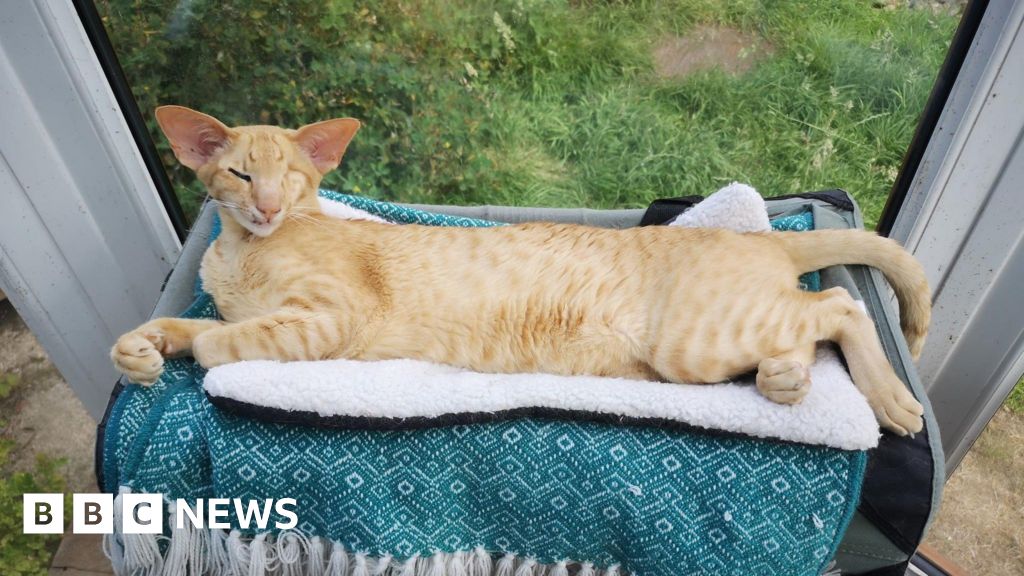
An orange Siamese Oriental cat lies on some blankets as it basks in the sun near a window. The cat is missing one eye.
TL;DR
A Bristol resident is paying roughly £14,000 for emergency care after her cat was hit by a car, underscoring a 63% rise in UK veterinary costs since 2016.
Context Veterinary expenses in the United Kingdom have jumped dramatically over the past seven years. The British Veterinary Union attributes the surge to higher overheads, advanced medical technology, and the consolidation of practices under large corporate groups. More than half of UK veterinary clinics are now owned by six corporations, up from 10% a decade ago, a shift that has coincided with price growth outpacing inflation.
Key Facts - Piers Walker received a call that her Siamese‑Oriental cat, Maneesha, had been struck by a vehicle. Her immediate concern was whether the animal was alive. - Initial emergency treatment, including pain relief and diagnostic scans, cost £1,500. The specialist practice in Wiltshire required a £5,000 upfront payment before proceeding. - Total charges reached about £14,000, a sum Walker is repaying at roughly £500 per month. She does not have pet insurance, a choice she made to avoid premium costs. - Nationally, veterinary fees have risen 63% from 2016 to 2023. The Competition and Markets Authority reports that price increases are nearly double the rate of general inflation. - Surveys indicate that 40% of dog and cat owners lack pet insurance, leaving them vulnerable to large, unexpected bills. - Cases like Sophie Butler’s £20,000 cancer treatment for a dog and Shelley Perkins’s £20,000 two‑year oncology plan for a cocker spaniel illustrate that even insured owners face substantial out‑of‑pocket expenses. - Veterinary staff report emotional strain from confrontations with owners unable to afford care, a pressure that stems from corporate pricing decisions beyond frontline workers’ control.
What It Means The £14,000 bill illustrates a growing gap between pet owners’ expectations for human‑level medical care and the financial reality of delivering such services. Advances that enable complex surgeries and specialist diagnostics improve animal outcomes but also drive up costs. Without widespread insurance coverage, many households risk debt or forgoing treatment.
Pet owners should evaluate insurance options early, weighing premium costs against potential treatment expenses. Veterinary practices may need to improve price transparency to help clients make informed decisions. Policymakers and regulators are being urged to address the corporate pricing model that fuels rapid fee escalation.
Looking ahead, monitoring the impact of upcoming regulatory reforms on price transparency and insurance uptake will be crucial to understanding whether the upward cost trend can be tempered.
Continue reading
More in this thread
Three Dead, Three Ill on Atlantic Cruise Ship in Suspected Hantavirus Outbreak
Dr. Priya Sharma
Kenya’s AI‑driven health scheme overcharges the poor, leaves millions unpaid
Dr. Priya Sharma
Kenya’s AI Health Scheme Overcharges Poor, Undercuts Rich, Sparks Protests
Dr. Priya Sharma
Conversation
Reader notes
Loading comments...