Three Dead, Three Ill on Atlantic Cruise Ship in Suspected Hantavirus Outbreak
Three passengers died and three fell ill after a suspected hantavirus outbreak on the MV Hondius; WHO and health officials are investigating and coordinating evacuations.
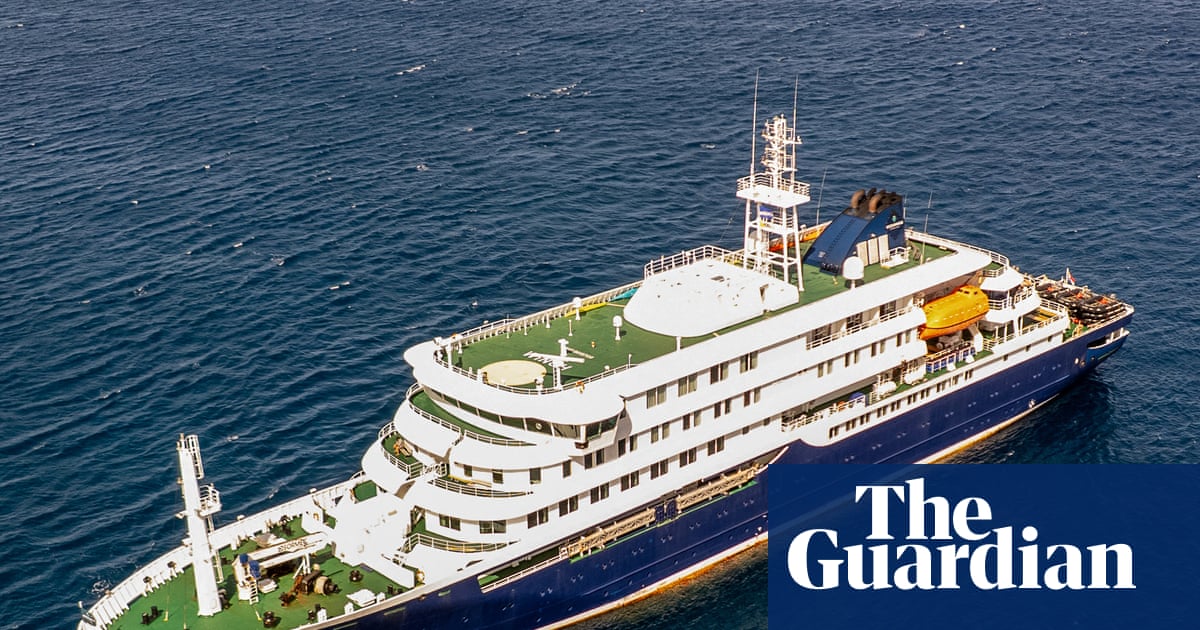
*TL;DR: Three passengers died and three fell ill after a suspected hantavirus outbreak on the Atlantic‑crossing cruise ship MV Hondius; WHO and health authorities are coordinating evacuations and investigations.
Context The MV Hondius, a 170‑passenger polar cruise vessel operated by Dutch tour company Oceanwide Expeditions, was sailing from Argentina to Cape Verde when health officials identified a cluster of severe respiratory and renal symptoms. Hantavirus, a rare rodent‑borne pathogen, can cause hantavirus pulmonary syndrome (lung failure) or hemorrhagic fever with renal syndrome (kidney failure). Human‑to‑human spread is documented but uncommon.
Key Facts - Three passengers have died: a 70‑year‑old Dutch man, his 69‑year‑old wife, and a 69‑year‑old British man. The Dutch couple fell ill on board; the husband died on Saint Helena, the wife in a South African hospital. The British patient tested positive after treatment in Johannesburg. - At least three additional passengers are sick, two of whom remain on the ship awaiting evacuation. One patient is in intensive care in South Africa. - WHO confirmed at least one laboratory‑confirmed hantavirus case and is supporting ongoing virus sequencing, epidemiological tracing, and medical care. - South African health officials reported that the ship lacked Cape Verdean clearance to disembark patients, complicating repatriation. - The outbreak occurred while the vessel was off Praia, Cape Verde, according to ship‑tracking data.
What It Means Hantavirus infection typically follows inhalation of aerosolised rodent urine or droppings; cruise environments can harbor rodents in storage areas, creating exposure risk. Correlation between the ship’s itinerary and the cases does not prove causation, but the timing and clustering suggest a common source. A cohort study of 170 passengers and 70 crew members, once completed, will clarify attack rates and risk factors.
Practical takeaways for travelers: 1. Seek immediate medical attention for fever, cough, or kidney‑related symptoms after exposure to rodent‑infested settings. 2. Ask cruise operators about pest‑control measures and onboard sanitation protocols. 3. Keep personal protective equipment (e.g., masks) handy when staying in cabins with visible rodent activity.
Health agencies are sequencing the virus to determine its strain and potential transmissibility. The WHO is facilitating coordination between national authorities and the cruise line for medical evacuations and future screening of all passengers.
Looking ahead, watch for the results of the epidemiological investigation and any travel advisories issued for Atlantic cruise routes.
Continue reading
More in this thread
Kenya’s AI‑driven health scheme overcharges the poor, leaves millions unpaid
Dr. Priya Sharma
Kenya’s AI Health Scheme Overcharges Poor, Undercuts Rich, Sparks Protests
Dr. Priya Sharma
Ashland County Officers Finish Crisis Intervention Training to Cut Use‑of‑Force
Dr. Priya Sharma
Conversation
Reader notes
Loading comments...