Kenya’s AI‑driven health scheme overcharges the poor, leaves millions unpaid
An audit of Kenya’s AI‑driven Social Health Authority shows it overcharges more than half of poor households and only a quarter of enrolled Kenyans pay premiums regularly, sparking concerns about access to care.
TL;DR
Kenya’s AI‑driven Social Health Authority overcharges more than half of poor households and only a quarter of enrolled Kenyans pay their premiums regularly, according to an audit and field reports.
Context The Social Health Authority (SHA) launched in October 2024 to replace Kenya’s old national insurance scheme. It uses a predictive machine‑learning algorithm that estimates household income from proxy variables such as roof type, toilet facilities and radio ownership. The goal was to extend coverage to the 83 % of Kenyans working in the informal sector, but critics say the formula lacks transparency and systematically misclassifies income.
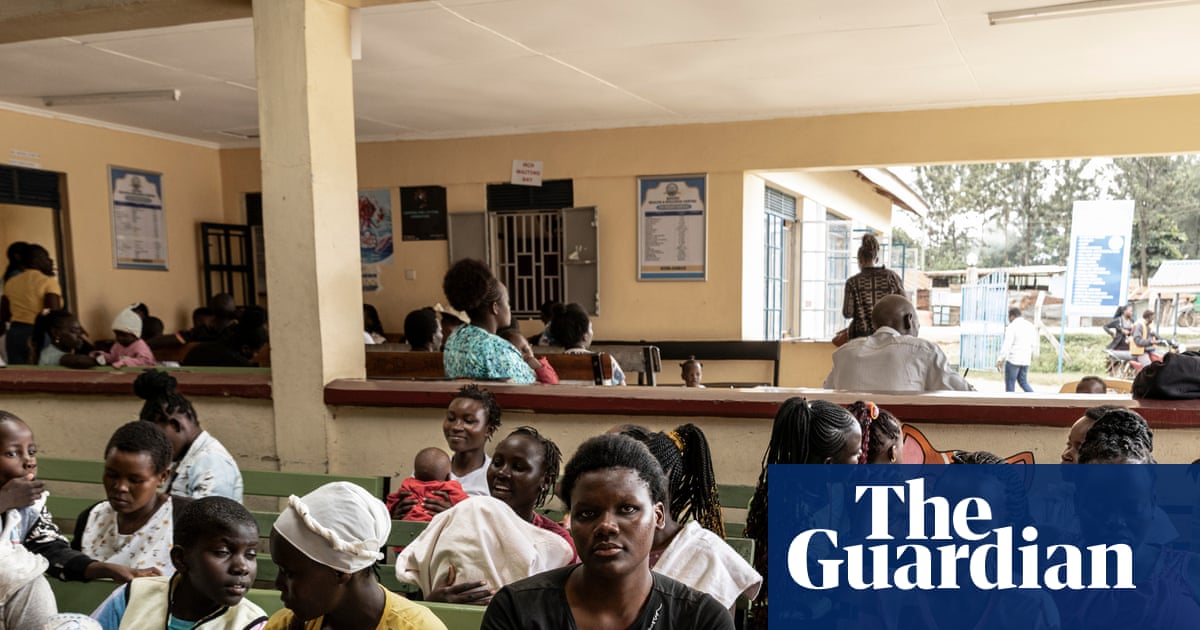
Key Facts Grace Amani, a community registrar in Nairobi, told investigators, “People are dying, people are suffering” because the premiums demanded by the AI system are unaffordable for many families. An audit of contribution records from the over 20 million Kenyans enrolled in SHA found that more than half of poor households are charged premiums that exceed what they can afford. Meanwhile, only 5 million of those enrolled—about one‑quarter—are regularly paying their SHA premiums, leaving the majority either in arrears or opting out of the system.
What It Means The audit shows a clear association between the algorithm’s income estimates and excessive charges for low‑income households, though it does not prove that the algorithm alone causes the overcharging. For families already spending a large share of meagre earnings on food and shelter, premiums that reach 10 %‑20 % of income can force choices between health care and basic needs. Health economists warn that without adjustments, the scheme risks deepening inequities and reducing utilization of public facilities among the poorest. Practical steps for policymakers include revising the proxy means‑testing model, increasing transparency of the scoring formula, and piloting subsidies for households flagged as overcharged.
To watch next, monitor whether the government revises the AI‑driven contribution formula, how payment compliance changes after any adjustments, and the impact on hospital attendance rates among informal‑sector workers.
Continue reading
More in this thread
Three Dead, Three Ill on Atlantic Cruise Ship in Suspected Hantavirus Outbreak
Dr. Priya Sharma
Kenya’s AI Health Scheme Overcharges Poor, Undercuts Rich, Sparks Protests
Dr. Priya Sharma
Ashland County Officers Finish Crisis Intervention Training to Cut Use‑of‑Force
Dr. Priya Sharma
Conversation
Reader notes
Loading comments...