Kenya’s AI Health Scheme Overcharges Poor, Undercuts Rich, Sparks Protests
Investigation finds Kenya's AI‑driven health insurance misprices premiums, hurting the poor while sparing the rich, sparking protests.
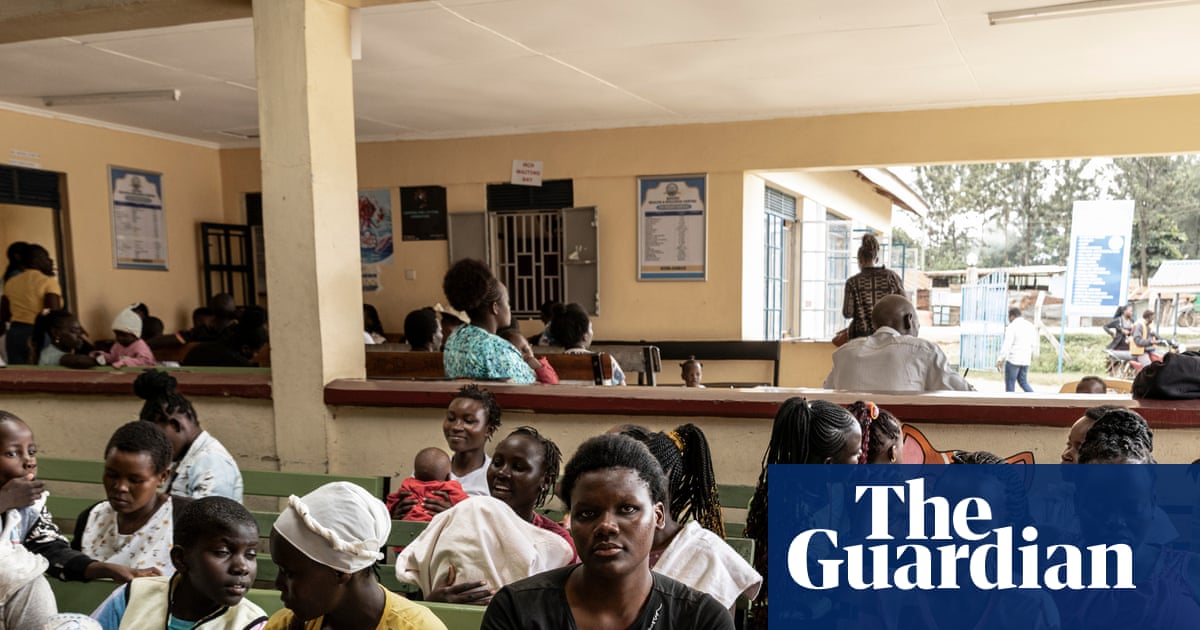
TL;DR Kenya’s AI‑driven Social Health Authority misestimates incomes, charging the poor too much and the rich too little, leading to protests and unpaid premiums for most registrants.
Context: The Social Health Authority (SHA) launched in October 2024 to replace Kenya’s decades‑old national insurance scheme. It uses a predictive machine‑learning algorithm rooted in proxy means testing—PMT—to estimate household income from assets such as toilet type, roof material, and radio ownership. The government promised affordable coverage for informal workers, who comprise 83% of the labor force, but the formula has been labelled flawed and opaque by investigators.
Key Facts: An investigative audit revealed that the algorithm systematically overestimates poor households’ incomes and underestimates wealthy households’ incomes, causing the poor to be overcharged and the rich to be undercharged (Fact 1). Grace Amani, a community worker who assists families with the means‑test questionnaire, said, “People are dying and suffering due to the healthcare costs” (Fact 2). Of the more than 20 million people registered with the SHA, only about 5 million regularly pay their premiums (Fact 3). The audit examined the entire registered population—a sample size exceeding 20 million—and verified algorithmic outputs against self‑reported hardship indicators; thus the mispricing stems directly from the model’s design, not merely a correlation. Reports show premiums for the poorest can reach 10‑20% of meagre incomes, forcing choices between food, shelter, and care, while some critically ill patients are turned away when they cannot pay.
What It Means: The mispricing undermines the SHA’s goal of universal access, creating a regressive burden that penalizes those the reform intended to help. Health economists note the model’s constraints forced a trade‑off: accurate assessment of the rich at the expense of the poor. Consequently, many registrants remain unpaid, risking denial of treatment or steep out‑of‑pocket bills at hospitals. Social media is flooded with complaints—one user described a jump from 500 KSh (£2.90) to 1,030 KSh monthly, while a single mother reported a 3,500 KSh bill. Practical takeaway for readers: when algorithmic tools allocate public resources, transparency, independent validation against ground‑truth income data, and mechanisms for appeal are essential to avoid exacerbating inequality.
Watch for the government’s response—whether it will adjust the algorithm, introduce manual overrides, or abandon the AI‑based means test in favor of a simpler flat‑rate contribution.
Continue reading
More in this thread
Three Dead, Three Ill on Atlantic Cruise Ship in Suspected Hantavirus Outbreak
Dr. Priya Sharma
Kenya’s AI‑driven health scheme overcharges the poor, leaves millions unpaid
Dr. Priya Sharma
Ashland County Officers Finish Crisis Intervention Training to Cut Use‑of‑Force
Dr. Priya Sharma
Conversation
Reader notes
Loading comments...