Spain's Toledo Rail Crash: Death Toll Rose From 10 to 68 as Rescue Unfolded
Two high-speed trains collided near Urda on October 28, killing at least 68. Officials attribute the crash to human error after a computer system failure.
Two high-speed trains collided near Urda in the province of Toledo, Spain, on Wednesday, October 28, 2026, at approximately 8:54 a.m. local time. One train struck the rear of another that had stopped on the tracks, derailing two rear carriages of the Iryo train. The trains, operated by Spain's state-owned Renfe and private rail company Iryo, were traveling the Madrid-to-Seville line and carried over 500 passengers combined.
The reported death toll moved sharply over the course of the day. Initial reports confirmed at least 10 deaths. That figure later rose to 64 as emergency teams continued searching the wreckage. The regional government of Castilla-La Mancha then reported at least 68 killed and more than 100 injured. The variation reflects the difficulty of verifying casualty figures in real time during an active rescue operation, not a single settled count. Emergency workers concentrated on the two most severely damaged carriages.
Officials in Castilla-La Mancha attribute the crash to human error following a computer system failure. They have not specified what the computer failure was, how it contributed to the collision, or what safety systems were in place on that section of track. The accident occurred on a straight section of track with good visibility, according to Euronews.
Death toll in Toledo rail crash
Death toll rose sharply from 10 to 68 during rescue operations.
Figures in people
The collision is one of Spain's deadliest rail disasters and the second major rail disaster in the country this year. It raises questions about high-speed rail safety systems, coordination between state-owned Renfe and private operator Iryo, and whether computer system failures are being adequately mitigated.
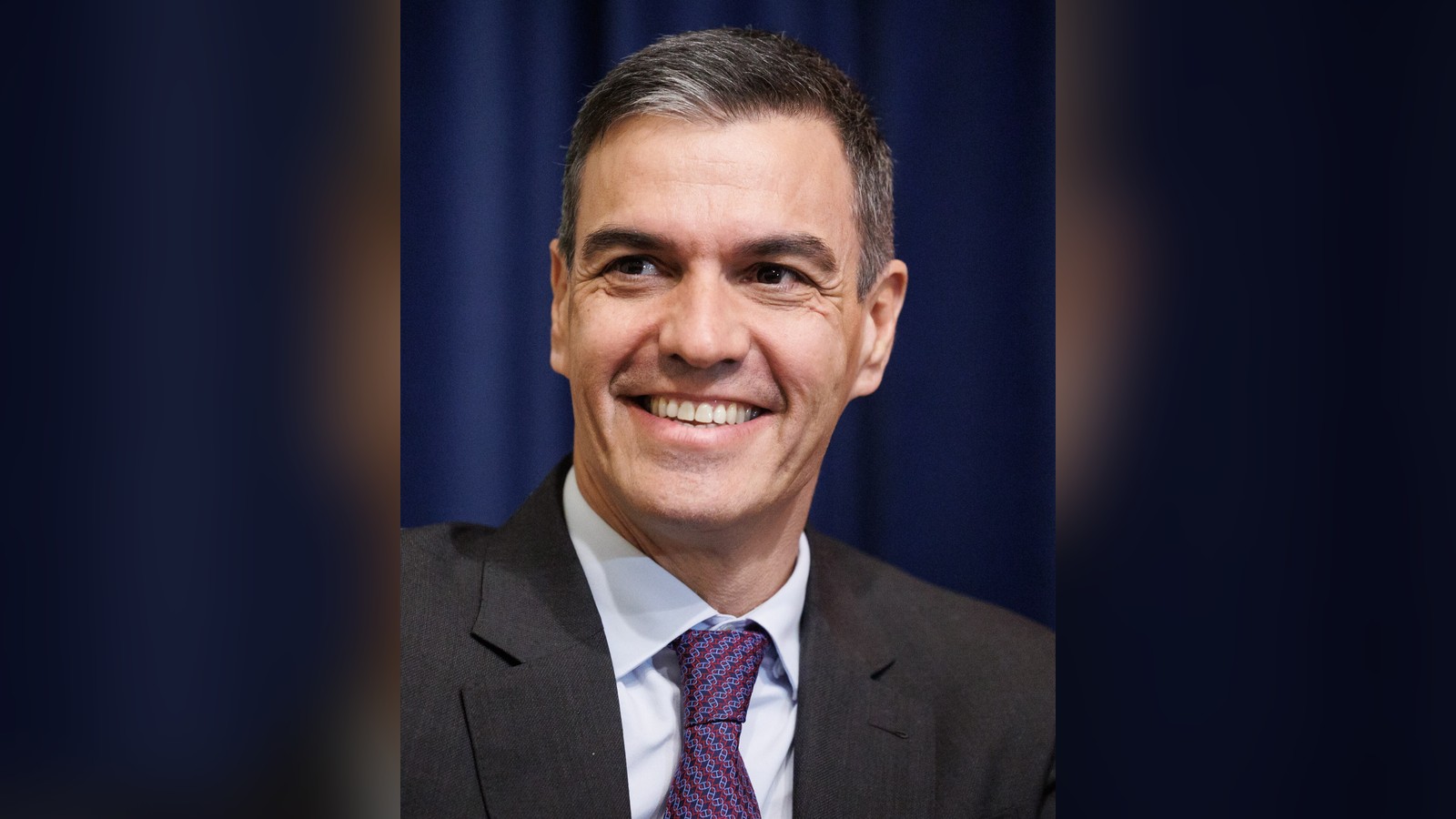
Rail service was suspended between Madrid, Ciudad Real and Andalusia. Spanish Prime Minister Pedro Sánchez expressed solidarity with victims and said he was in constant contact with Transport Minister Óscar Puente and Castilla-La Mancha president Emiliano García-Page.
What remains unknown is the exact sequence of events that led one train to strike the rear of another on a straight section of track, the specific nature of the computer system failure, and why death toll figures varied so widely across official and media sources.
Sources

Editor & Founder
Peter OlaleruPeter is the founder and editor of Measured Take and a cybersecurity professional. He leads our news, fact checks, sport and guides from around the world, with a particular eye on cyber attacks, data breaches, scams, AI and misinformation.
More from Science & Climate


Conversation
Reader notes
Loading comments...