SNL UK's Mirror: Why Mocking Burnham and William Is Not an Attack but a Reflection
When a sitting prime minister appears on Celebrity Gogglebox and a future king sits for Graham Norton, satire like SNL UK's is less an attack than a mirror
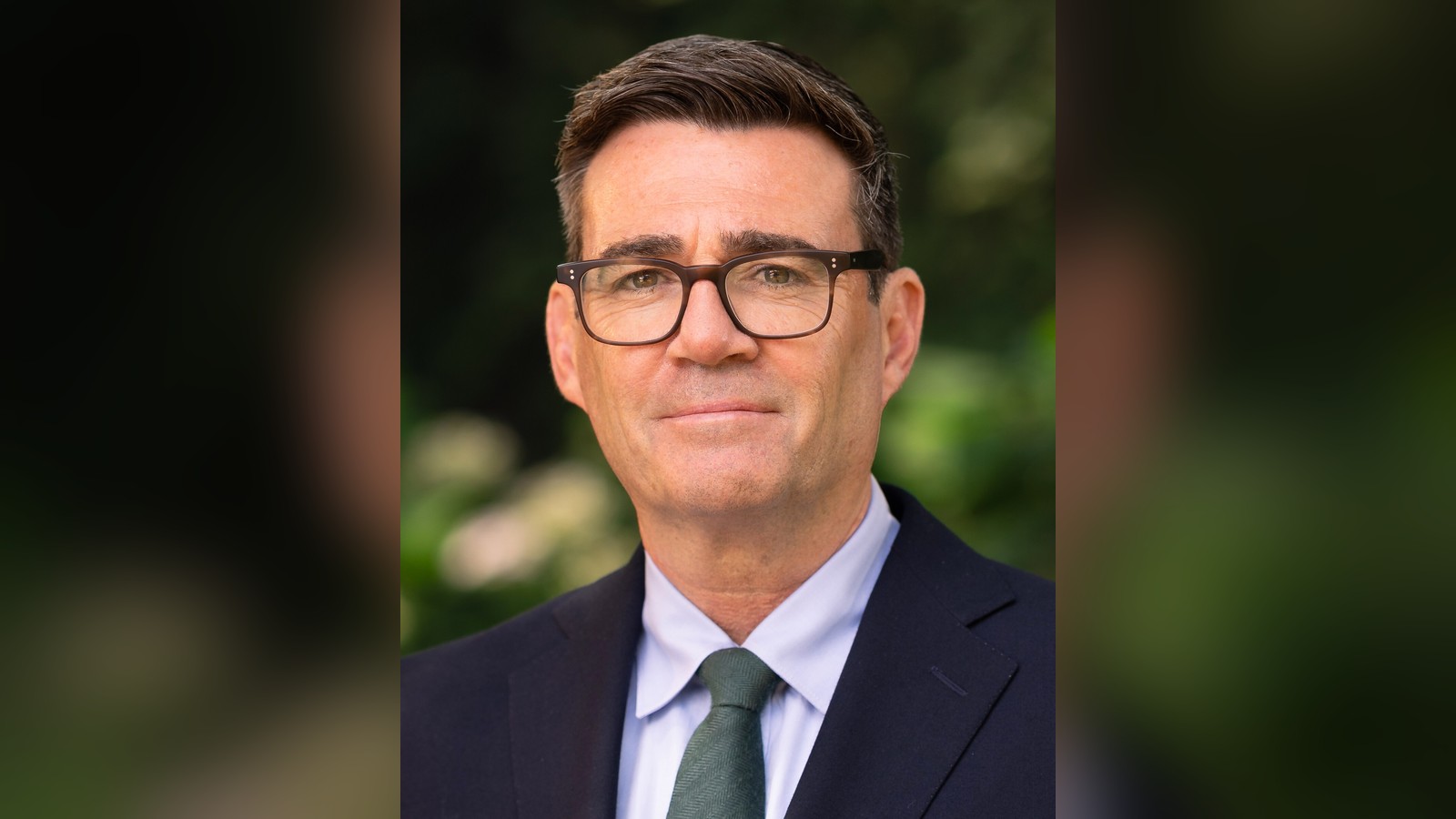
SNL UK has mocked prime minister Andy Burnham's appearance on Celebrity Gogglebox and Prince William's Graham Norton Show interview, according to a Belfast Telegraph report dated 25 October 2026. The detail that should stop you is not the mockery itself. It is the booking. A sitting prime minister chose Celebrity Gogglebox. A future king chose Graham Norton. By the time a comedy show gets round to noticing, the blurring has already happened, and it was not the comedians who did the blurring.
The second season of SNL UK launched on Sky and Now from 12 September 2026, with six episodes airing on 12, 19 and 26 September and 10, 17 and 24 October, per Variety. All eleven cast members from the inaugural season returned, and additional episodes are planned for early 2027. This is not a fringe experiment. It is a commissioned, returning, mainstream comedy property, and it has decided that the political and royal establishment is fair game. That decision is only controversial if you believe those establishments still stand outside the entertainment economy. They do not.
Consider what each appearance actually is. Celebrity Gogglebox asks a public figure to sit on a sofa and react to television. It is not a policy interview. It is not a select committee. It is a format built on personality, reaction and likability, and it is watched by people who are not necessarily watching Question Time. The Graham Norton Show is a chat format built on anecdote, warmth and the occasional rehearsed revelation. Both are legitimate ways to reach audiences that news bulletins do not reach. Both are also, unmistakably, entertainment. When you accept the sofa and the chat show, you accept the ecosystem. The ecosystem includes people who will make jokes about you.
This is why the complaints that tend to follow satire of this kind ring hollow. If a prime minister wants the visibility that comes with Celebrity Gogglebox, he cannot then claim a category error when a comedy show treats him as a television personality. He is one, for the duration of the broadcast. The same applies to a prince sitting for Graham Norton. The interview is a performance of relatability. Satire is the price of admission, and it is a modest price compared with the reach.
SNL UK's willingness to take on both targets also tells us something about the show's positioning. A reverent sketch vehicle that only teased the safe and the minor would be forgettable. A show that mocks a prime minister's reality-television cameo and a prince's talk-show interview is signalling that it intends to be an equal-opportunity irritant. That is a healthier cultural arrangement than deference dressed up as respect. It also happens to be more honest about where power now lives: not only in Westminster and the palace, but in the formats that shape how the public feels about the people in them.
The strongest case against this position deserves a fair hearing. Appearing on light entertainment to reach ordinary voters is a long-standing and defensible practice. Politicians have done it for decades, and royals have done it for nearly as long, because visibility is part of public service in a fragmented media environment. Reaching people where they are is not the same as abandoning seriousness. And crucially, choosing to appear on a chat show or a sofa format does not obligate anyone to accept being ridiculed by a comedy programme. Those are separate transactions. A public figure can reasonably say: I will do the friendly format to communicate, and I will not pretend that being the punchline is part of the job. On that reading, SNL UK's sketches are not a mirror at all. They are a tax on accessibility, and the tax may deter the very appearances that make public life less remote.
That argument is coherent, and it should not be dismissed. But it proves less than it seems. The objection is not that satire is forbidden. It is that satire is unfair. Yet the unfairness is not created by the comedians. It is created by the choice to enter a format where likability, reaction and anecdote are the currency. Once you trade in that currency, you are legible to comedy. You are also legible to audiences who would otherwise never encounter you. The trade is real, and it is voluntary. Nobody is dragged onto Celebrity Gogglebox.
There is a further point. The alternative to being mocked by SNL UK is not being treated with solemnity by the public. It is being ignored. A prime minister and a future king who appear on entertainment formats are competing for attention in a market that is indifferent to office and title. Satire is one of the ways that market processes them. If the response is to complain about the tone, the more useful question is whether the appearances were worth it. Often they are. But the price is not set by the comedians. It is set by the decision to play.
What remains genuinely open is the detail. We do not know from the available reporting what specific jokes or sketches SNL UK used about Burnham and Prince William, whether either responded to the segment, the exact date of the episode in question, when the Celebrity Gogglebox and Graham Norton appearances took place, or how they performed in ratings or public reaction. Those gaps matter for judging whether the satire was sharp or merely lazy. But they do not change the structural point. The line between public service and entertainment has already been crossed by the people now being mocked for crossing it. SNL UK is not leading that process. It is documenting it, one sketch at a time.
Sources
More from Pop Culture


Conversation
Reader notes
Loading comments...