Putin and Zelenskyy Both Say Yes to Talks, but Not to the Same Talks
Moscow says three-way talks after Nov. 10; Kyiv hopes for technical-level talks by early November. No date, venue, or agenda confirmed.

Russian President Vladimir Putin met U.S. envoy Steve Witkoff in St. Petersburg on Wednesday, Oct. 21, 2026. Afterward, Putin foreign affairs adviser Yuri Ushakov told reporters that Putin agreed "in principle" to resume three-way negotiations with Washington and Kyiv after Nov. 10, focused on "building a security system for Russia and Ukraine after the conflict ends."
Ukrainian President Volodymyr Zelenskyy, speaking the same day, described the same development differently. He said Russia had backed holding technical-level trilateral peace talks with the U.S. and Ukraine, and that Kyiv hoped for talks by early November. He also said Ukraine was ready to freeze the conflict along the current front line and move to diplomacy, then seek security guarantees from the U.S. and European countries.
Those two accounts do not line up. Moscow's stated start date is after Nov. 10. Kyiv's stated hope is early November. Moscow describes resumed three-way negotiations; Kyiv describes technical-level talks.
If the talks happen, they would be the first trilateral negotiations since February. That is the extent of what is established. The Kremlin said progress is "theoretically possible" but requires Ukraine to make "necessary decisions," and that talks would take a long time.
During Witkoff's meeting with Putin, U.S. citizen Stephen Hubbard was released from Russian custody. He had been jailed in Russia for more than four years. What role, if any, that release played in securing Russia's agreement is not stated in the record.
What exists is a diplomatic opening that both capitals have acknowledged in principle and neither has scheduled. The gap between "after Nov. 10" and "by early November" is not a rounding error; it reflects two governments describing different processes. Until a date and format are fixed, the agreement is a statement of willingness, not a plan.
Sources
- [1]apnews.com
- [2]pbs.org
- [3]en.apa.az
- [4]en.apa.az
- [5]aa.com.tr
- [6]cbsnews.com
- [7]Photo: Unsplash

Editor & Founder
Peter OlaleruPeter is the founder and editor of Measured Take and a cybersecurity professional. He leads our news, fact checks, sport and guides from around the world, with a particular eye on cyber attacks, data breaches, scams, AI and misinformation.
More from Politics
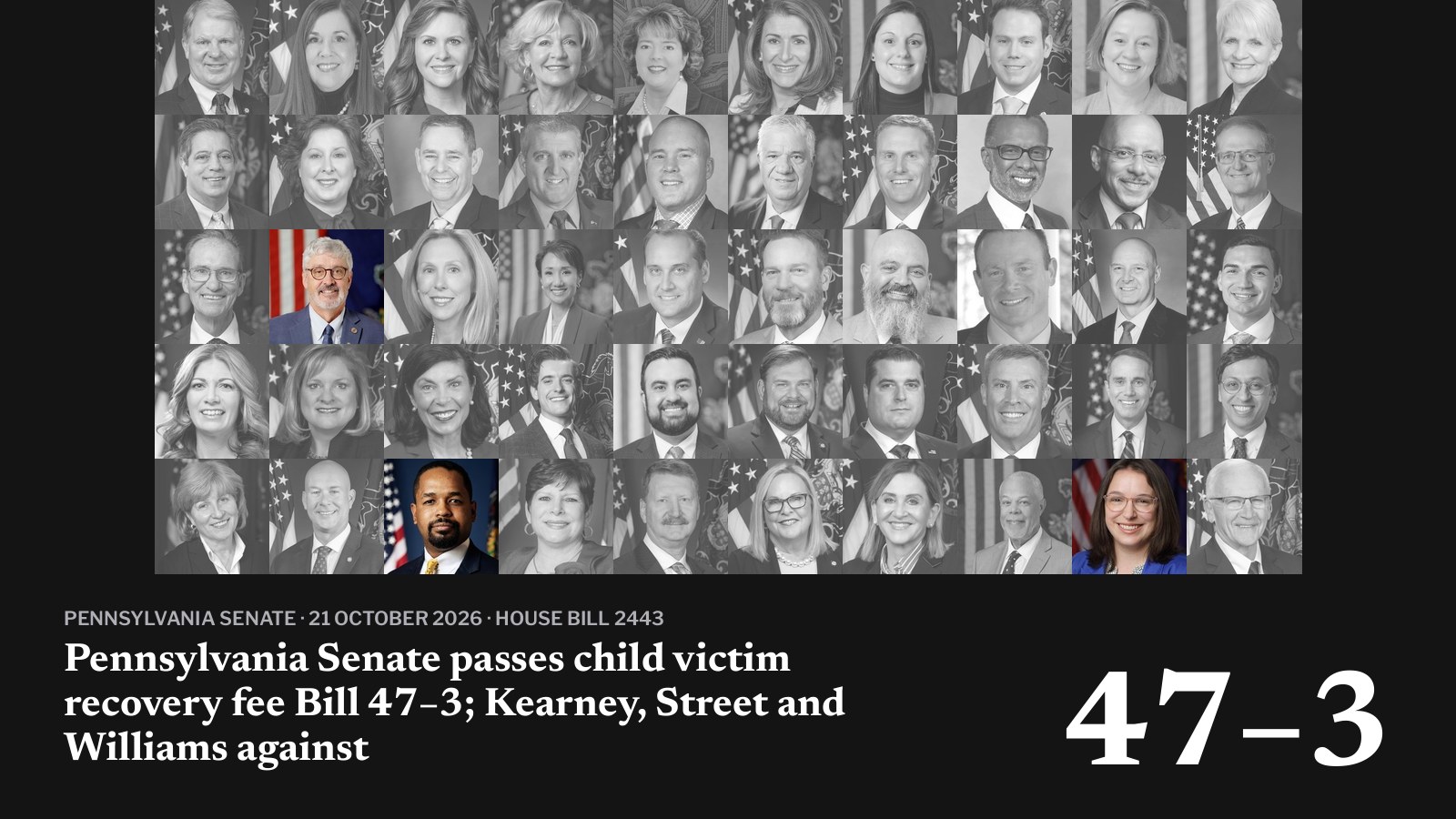
October 22, 2026
Pennsylvania Senate passes child victim recovery fee Bill 47–3; Kearney, Street and Williams against
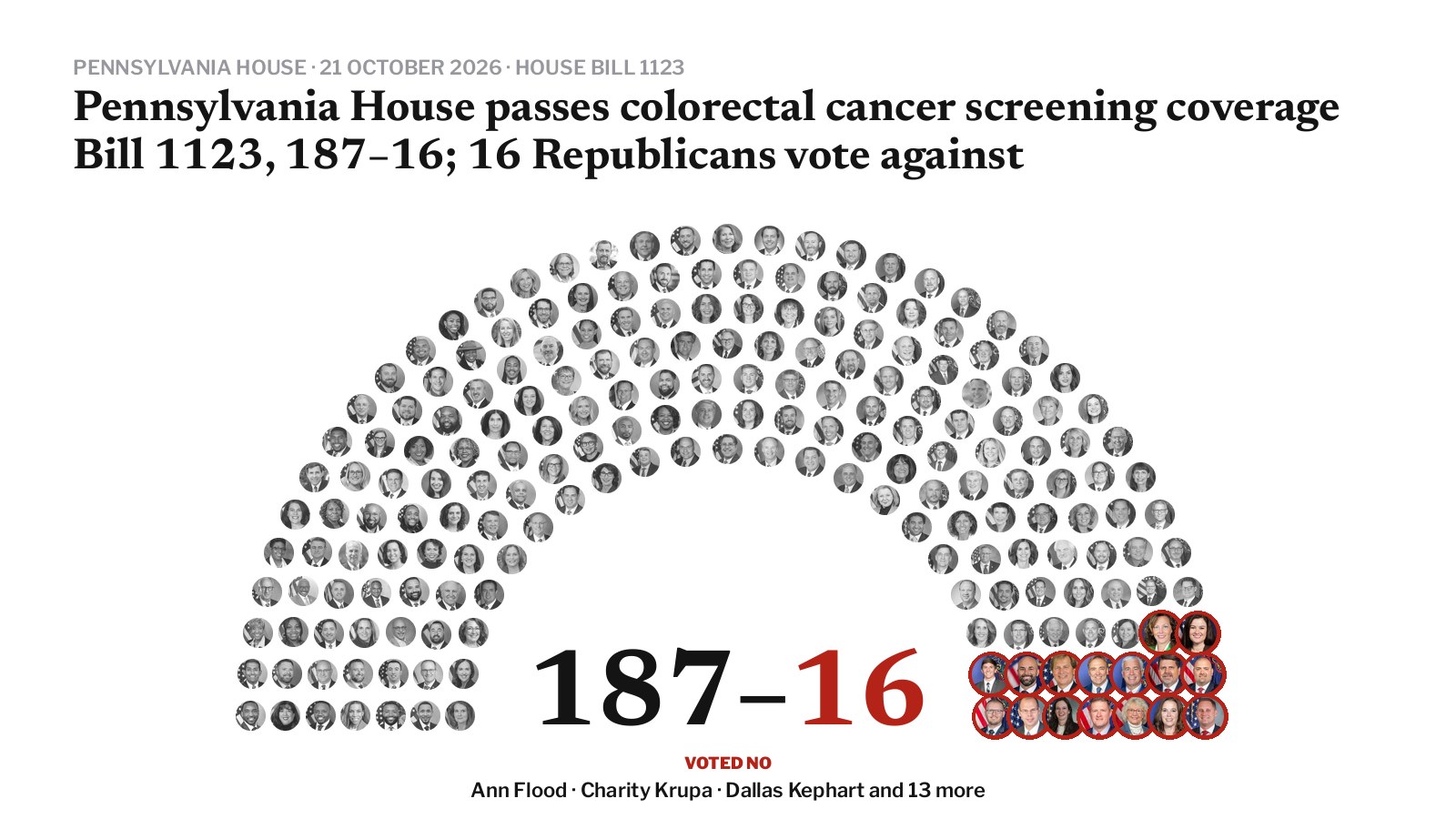
October 22, 2026
Pennsylvania House passes colorectal cancer screening coverage Bill 1123, 187–16; 16 Republicans vote against
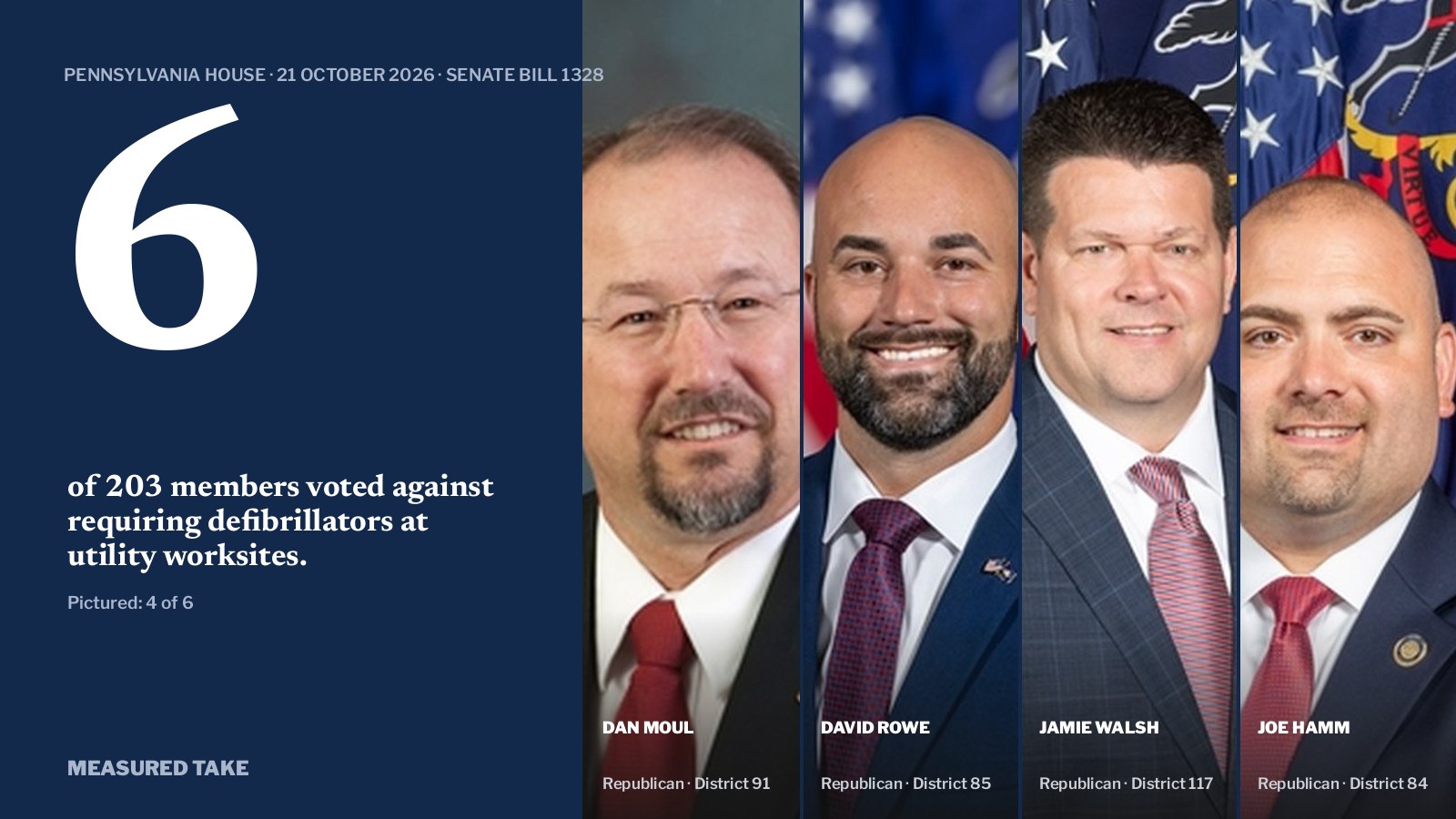
October 22, 2026
Pennsylvania House passes defibrillator worksite bill 197–6; six Republicans vote no
Conversation
Reader notes
Loading comments...