Parents, not Andrew Tate, shape teen boys' rigid masculine beliefs most
A study found 1 in 3 US teen boys follows Andrew Tate, but parents telling sons to be big and tough was the strongest predictor of rigid masculine beliefs.
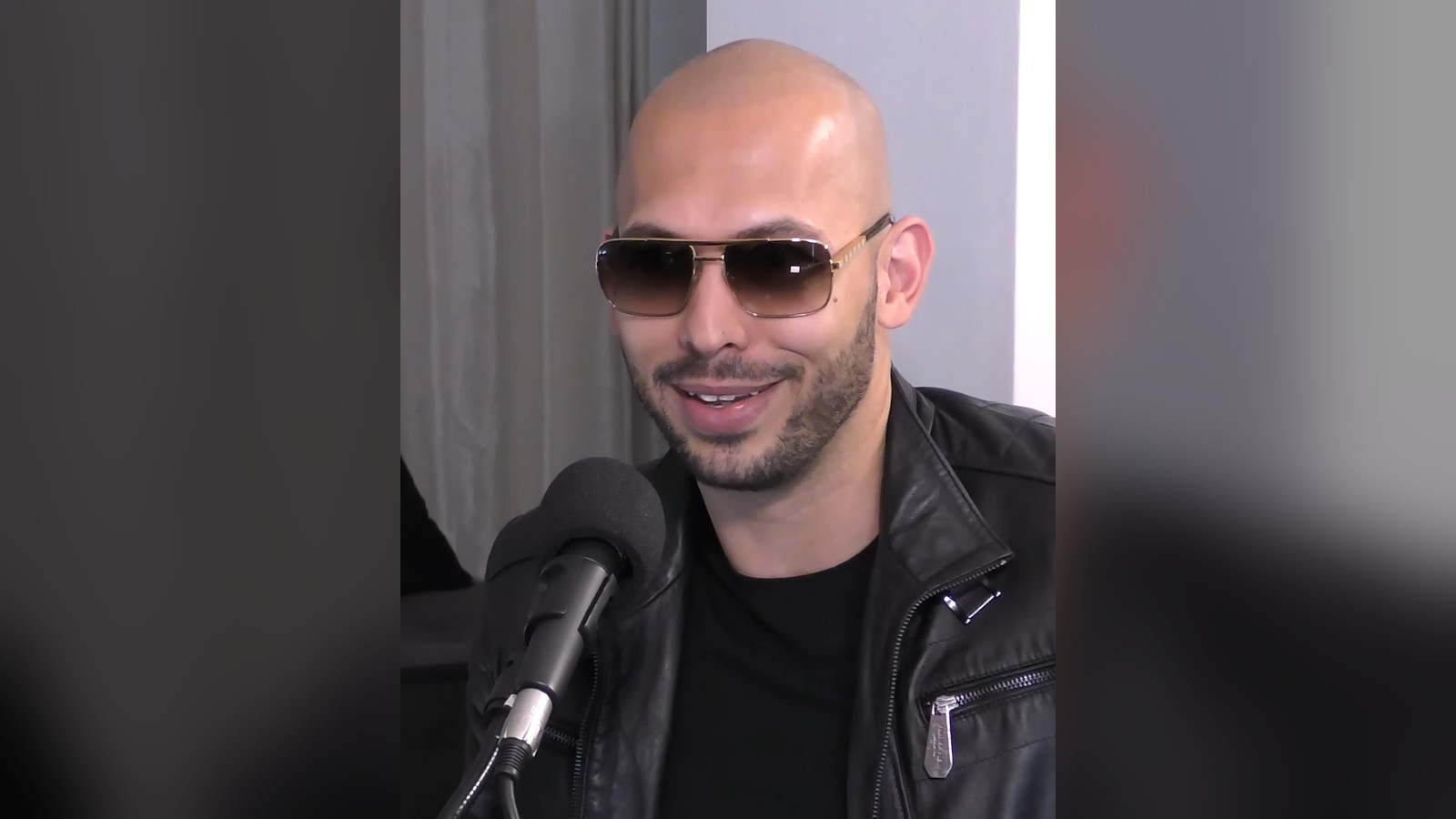
About 1 in 3 American boys aged 13 to 17 follows Andrew Tate at least a little, according to research published in Psychology of Men & Masculinities. Those who follow Tate and other manosphere figures such as Jordan Peterson are more likely to endorse traditional beliefs about manhood: that men should hide their emotions, remain dominant, and reject anything considered feminine.
But the study's strongest predictor of rigid masculine views was not following Tate. It was parents telling their sons to be big and tough.
For Tate and Peterson specifically, the association held even after the researchers accounted for gender messages boys hear at home and how masculine the boys already perceived themselves to be. That controls for two obvious alternative explanations — that boys arrive at these views because of family messaging, or because they already see themselves as traditionally masculine. The Tate and Peterson pattern survived both.
Parental messaging did not merely survive as a separate factor. It outperformed the manosphere figures as a predictor of rigid beliefs.
The manosphere is a loose network of websites, podcasts, and social media accounts focused on male interests, often framing women or modern feminism as threats to men's status. Its creators frequently promote what researchers call hegemonic masculinity — a culturally idealized form of manhood characterized by power, physical toughness, emotional detachment, and the subordination of femininity.
The findings sit alongside other evidence that complicates a simple story about a generation of boys radicalized online. A 2024 study that included focus groups with 13- and 14-year-old boys in London found some were already engaging with manosphere ideas. A YouGov study found that while potentially misogynist views are held by a minority of young men and boys, in many cases they are not held at a rate significantly higher than among their elders — and young men are often more likely to hold progressive gender attitudes than older male peers. Male supremacist ideology is nonetheless becoming one of the most prevalent forms of contemporary extremism, with radicalization pathways similar to other extremist movements.
One parenting writer described occasionally telling her son to "get it together" — not because she believes men crying is bad, but because she did not want him judged by peers.
If the strongest predictor of rigid masculine beliefs is what boys hear at home, then efforts to counter manosphere influence may need to start with parental messaging, not only platform moderation or online literacy. The adults in the room are part of the pipeline — and part of the solution.
Sources

Editor & Founder
Peter OlaleruPeter is the founder and editor of Measured Take and a cybersecurity professional. He leads our news, fact checks, sport and guides from around the world, with a particular eye on cyber attacks, data breaches, scams, AI and misinformation.
More from Science & Climate


Conversation
Reader notes
Loading comments...