NHS adopts rapid injectable pembrolizumab, saving 100,000 staff hours a year
The NHS will replace IV pembrolizumab with a one‑minute injection, freeing over 100,000 staff hours annually and improving patient experience.
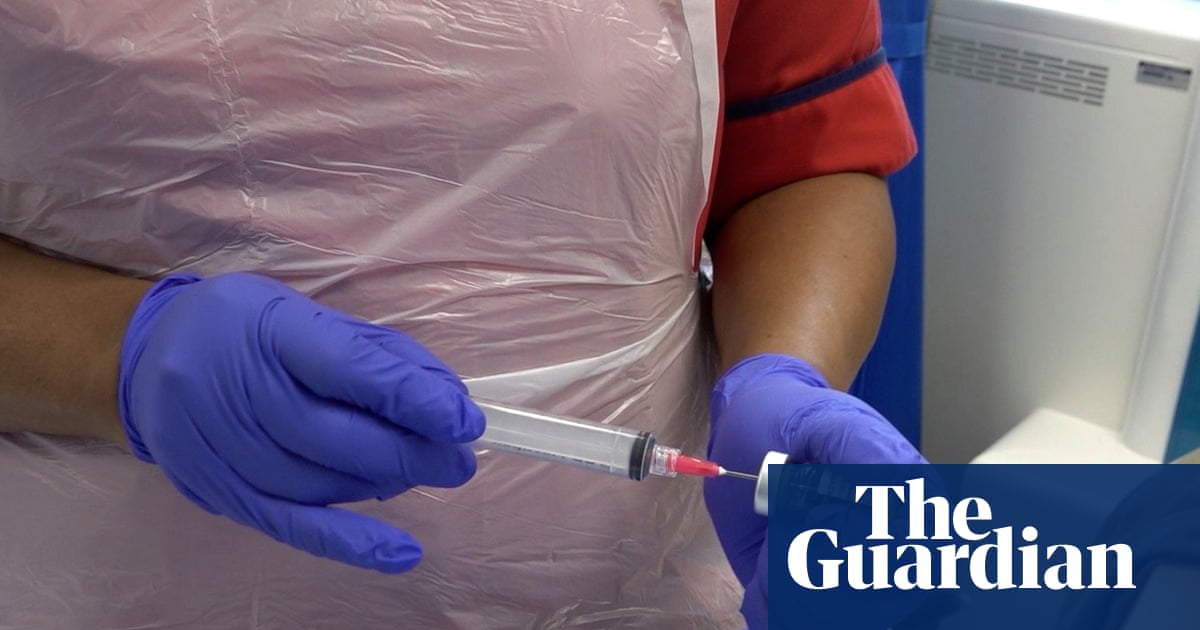
*TL;DR: The NHS will replace intravenous pembrolizumab with a one‑minute injectable version, cutting preparation time by more than 100,000 hours each year.
Context Pembrolizumab is an immunotherapy that blocks the PD‑1 protein, allowing the immune system to attack cancer cells. Until now it required a two‑hour intravenous drip in a specialist clean room. The NHS plans to switch the majority of the 14,000 current users to a rapid injectable form that can be given in under two minutes.
Key Facts - The injectable jab is administered every three weeks (one‑minute injection) or every six weeks (two‑minute injection). - NHS projections show the new protocol will save more than 100,000 staff hours of preparation and treatment time annually. - Professor Peter Johnson, NHS national clinical director for cancer, described the one‑minute injection as a “lifeline” that frees patients from long hospital stays. - Early adopters such as University Hospitals Bristol and Weston NHS Foundation Trust report patients spending only minutes in a chair rather than hours. - The change follows the recent approval of nivolumab, another fast‑acting immunotherapy, expanding rapid‑injection options to nearly 30 cancer types.
What It Means For patients, the shift means less time tethered to a hospital chair and more time for daily activities; an 89‑year‑old patient from St Albans noted the difference in her quality of life. For the NHS, freeing 100,000 staff hours translates into additional capacity for other appointments, potentially reducing waiting lists for cancer care. The rapid delivery also cuts costs associated with clean‑room preparation and prolonged staffing.
Practical Takeaway If you or a loved one are currently receiving pembrolizumab, ask your oncology team whether the injectable version is available at your treatment centre. The shorter administration time may also ease scheduling pressures for clinics.
What to Watch Next Monitor early outcome data from the first treatment sites to see whether the time savings translate into measurable improvements in patient throughput and overall survival rates.
Continue reading
More in this thread
Three Dead, Three Ill on Atlantic Cruise Ship in Suspected Hantavirus Outbreak
Dr. Priya Sharma
Kenya’s AI‑driven health scheme overcharges the poor, leaves millions unpaid
Dr. Priya Sharma
Kenya’s AI Health Scheme Overcharges Poor, Undercuts Rich, Sparks Protests
Dr. Priya Sharma
Conversation
Reader notes
Loading comments...