Israeli strikes kill water workers as Gaza’s daily supply falls to 7 litres per person
Israeli forces killed a water engineer and two drivers in mid-April. Gaza's daily drinking water supply is now 7 litres per person, worsening health risks.
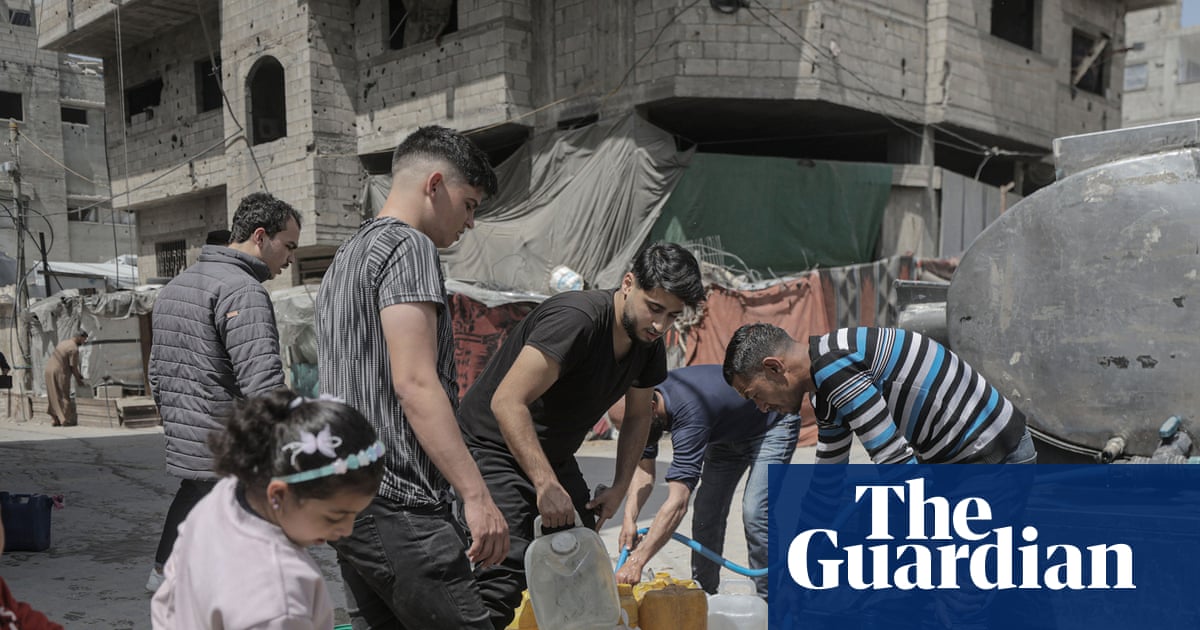
Israeli forces killed three water workers in mid-April, further exacerbating Gaza's water crisis. The average daily water supply for residents now stands at 7 litres for drinking, falling significantly below international standards.
Recent Israeli military actions have directly impacted Gaza's critical water infrastructure and personnel. This follows previous damage to water networks and sewage treatment facilities throughout the conflict. Such destruction strains an already struggling system, making it difficult to provide basic necessities. The scarcity of clean water fuels disease spread and creates daily challenges for the civilian population.
Israeli forces killed a water engineer and two water transport drivers over four days in mid-April. This further worsened Gaza's existing clean water shortage and increased disease risk for residents. Omar Shatat, the deputy director of Gaza’s coastal municipalities water utility, stated approximately 19 water facility workers have died since the conflict began. These individuals were performing essential repair and distribution duties. Currently, Gaza residents receive an average daily water supply of 7 litres of drinking water per person. An additional 16 litres of domestic water is also available per person for other uses. The United Nations recognizes 50 to 100 litres daily per person as a standard for access to clean water, except in emergency situations.
The targeting of essential service workers directly impacts humanitarian efforts, restricting the repair and maintenance of vital infrastructure. This reduction in clean water access contributes significantly to public health concerns. Shortages of hygiene products, with prices doubling for some items, further complicate efforts to maintain cleanliness and prevent infection in overcrowded conditions. Many residents must choose between water for drinking, cooking, or washing. This ongoing situation presents significant humanitarian challenges. Observers will continue to watch for changes in water supply levels and the safety of personnel attempting to deliver critical services.
Continue reading
More in this thread
US Signals Softer Tone on South Africa Amid Ongoing Policy Tensions
Nadia Okafor
Trump administration calls Australia’s news levy ‘foreign extortion’ as Albanese defends journalists’ rights
Nadia Okafor
New Zealand Rejects Comfort Women Statue After Japanese Diplomatic Warning
Nadia Okafor
Conversation
Reader notes
Loading comments...