Trump administration calls Australia’s news levy ‘foreign extortion’ as Albanese defends journalists’ rights
Australia proposes a 2.25% levy on Meta, Google and TikTok for news content; the Trump administration brands it extortion while PM Albanese argues it protects journalists' rights.
TL;DR
Australia’s draft law would charge Meta, Google and TikTok a 2.25% levy for not striking deals with local news publishers; the Trump administration denounces it as foreign extortion, while Prime Minister Anthony Albanese says it safeguards journalists’ intellectual property.
The Labor government’s news‑content bill aims to force the three platforms to negotiate revenue‑sharing agreements with Australian publishers or face a 2.25% levy on their Australian earnings. The measure enjoys backing from the Coalition and the Greens, who see it as a way to fund quality journalism without increasing government revenue.
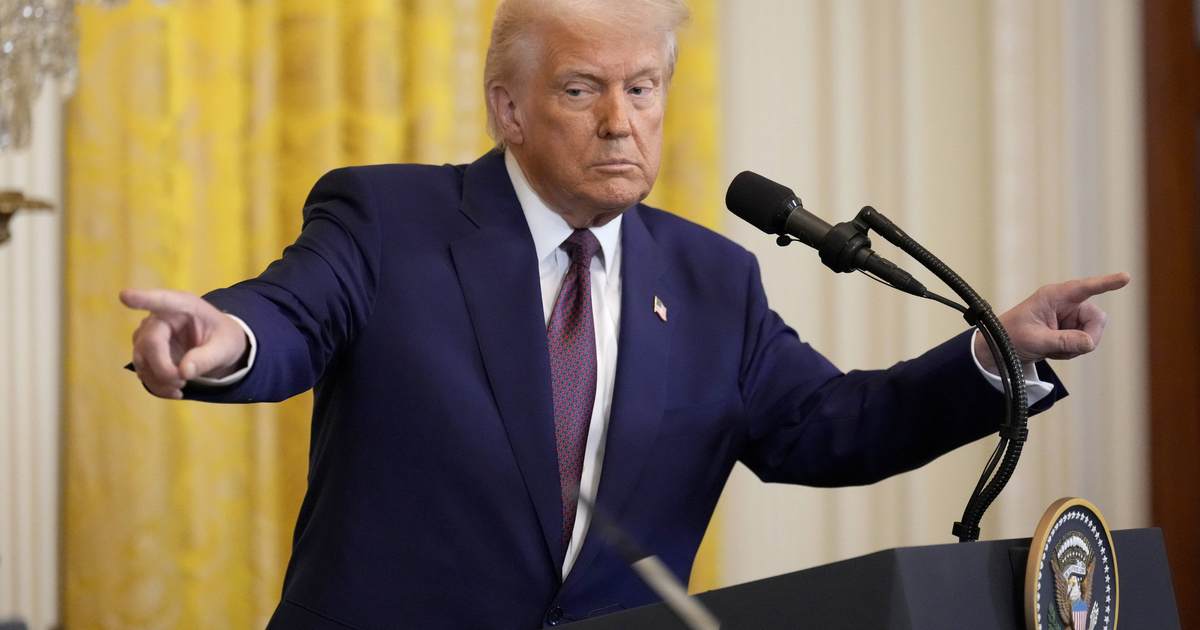
A Trump administration spokesperson warned that President Trump will defend the U.S. tech sector against what he called “digital services taxes and other forms of foreign extortion.” The statement pledged to raise the issue with trading partners and suggested possible trade remedies if the law passes.
Prime Minister Anthony Albanese countered the criticism, emphasizing that journalists’ intellectual property – the copyrighted text, photos and video they produce – should be compensated. “Your work should be valued and someone shouldn’t be able to take your work and make a profit without payment,” he said, stressing that the levy is a lever to secure fair deals, not a revenue source for the Treasury.
Industry groups, including the Computer & Communications Industry Association, have labeled the proposal discriminatory and warned it could breach trade rules by imposing an “illegal performance requirement” on U.S. firms. Google and Meta have both rejected the need for the reform, arguing the bill unfairly targets them while ignoring AI platforms.
If enacted, the levy would apply only when companies fail to reach agreements, meaning the government expects platforms to pay nothing if deals are struck. Supporters argue the approach will inject funds into a struggling news sector that has lost advertising to digital giants. Critics fear the measure could spark a trade dispute and set a precedent for other countries to levy similar taxes.
The bill now moves toward a parliamentary vote, with the Nationals’ Matt Canavan urging swift implementation and the Greens’ Sarah Hanson‑Young calling for safeguards to ensure funds reach public‑interest journalism rather than large media conglomerates.
What it means: Australia is testing a model that forces global tech firms to pay for news content, a move that could reshape digital market rules and trigger a diplomatic clash with the United States. Watch for parliamentary debate outcomes and any formal trade response from Washington.
Continue reading
More in this thread
Tanzania and Belarus Confirm New Embassy, Medical Partnership, and Flight Talks
Nadia Okafor
Trump Administration Labels Australia's News Levy 'Foreign Extortion' as Albanese Defends Policy
Nadia Okafor
US Signals Softer Tone on South Africa Amid Ongoing Policy Tensions
Nadia Okafor
Conversation
Reader notes
Loading comments...