New Zealand Rejects Comfort Women Statue After Japanese Diplomatic Warning
New Zealand denies a comfort‑women memorial after Japan warns it could harm diplomatic ties and stir ethnic tension, highlighting the clash of history and politics.
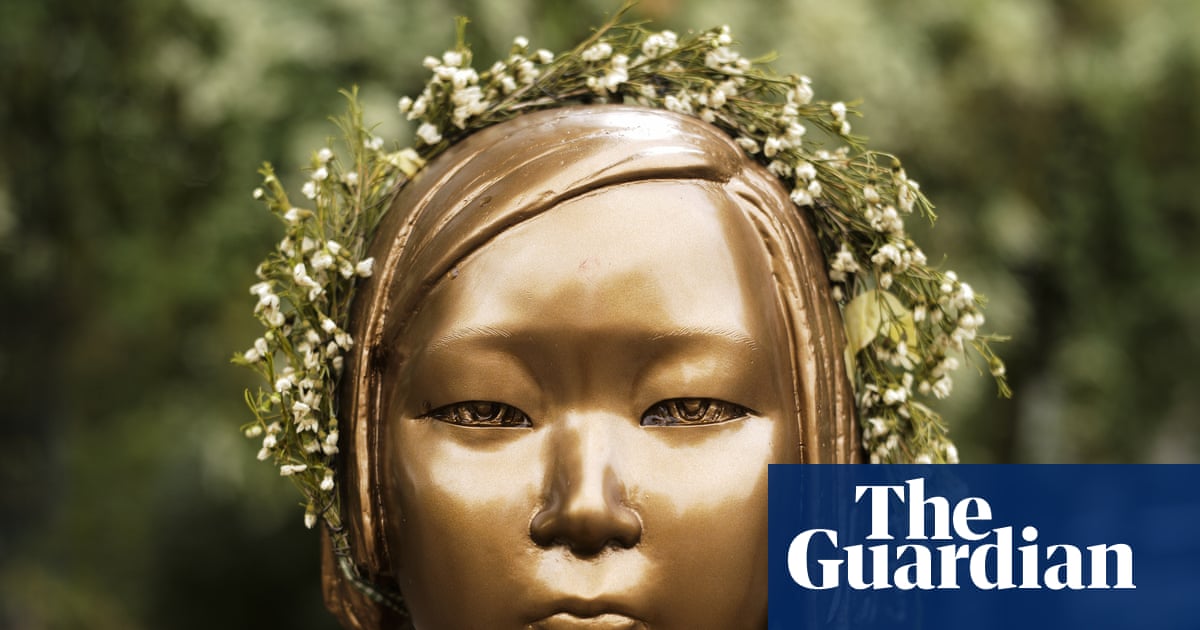
*TL;DR: New Zealand officials denied a proposal for a comfort‑women statue after Japan warned the monument could damage bilateral relations and fuel ethnic tension.
Context The Korean Garden Trust applied to place a memorial honoring women forced into sexual slavery by the Japanese military during World War II at Barry’s Point Reserve in Auckland’s Takapuna suburb. The proposal sparked a public consultation that culminated in a decision by the Devonport‑Takapuna Local Board.
Key Facts - The board rejected the application on Wednesday, citing the need to preserve social cohesion. Board chair Trish Deans said the decision was “difficult” and based on staff advice and community feedback. - Japan’s ambassador, Makoto Osawa, sent a letter warning that the statue could “cause division and conflict within New Zealand’s wonderful multi‑ethnic and multicultural society and between Japanese and Korean communities.” - Wellington’s Ministry of Foreign Affairs and Trade confirmed that Tokyo made formal representations opposing the monument. - Historical records indicate Japan forced up to 200,000 women from Korea, China and Southeast Asia into sexual slavery between 1932 and 1945, a legacy that continues to strain Japan’s relations with neighboring countries. - Submissions to the board included strong support for the statue as an educational tool, with many emphasizing the need to honor survivors and remember the atrocities.
What It Means The rejection underscores how historical memory can intersect with contemporary diplomacy. New Zealand’s decision reflects a precautionary approach to avoid inflaming tensions between its Japanese and Korean communities, while also highlighting the limits of local commemorative initiatives when foreign governments intervene. The episode may set a precedent for how other nations handle contested war‑time memorials, especially when they involve foreign diplomatic pressure.
Looking Ahead Watch for further dialogue between New Zealand, Japan and Korean groups on how to address the comfort‑women legacy without jeopardizing bilateral ties.
Continue reading
More in this thread
Tanzania and Belarus Confirm New Embassy, Medical Partnership, and Flight Talks
Nadia Okafor
Trump Administration Labels Australia's News Levy 'Foreign Extortion' as Albanese Defends Policy
Nadia Okafor
US Signals Softer Tone on South Africa Amid Ongoing Policy Tensions
Nadia Okafor
Conversation
Reader notes
Loading comments...