US Signals Softer Tone on South Africa Amid Ongoing Policy Tensions
Rubio's Freedom Day message hints at a diplomatic thaw, but analysts warn core disputes between the US and South Africa remain unresolved.
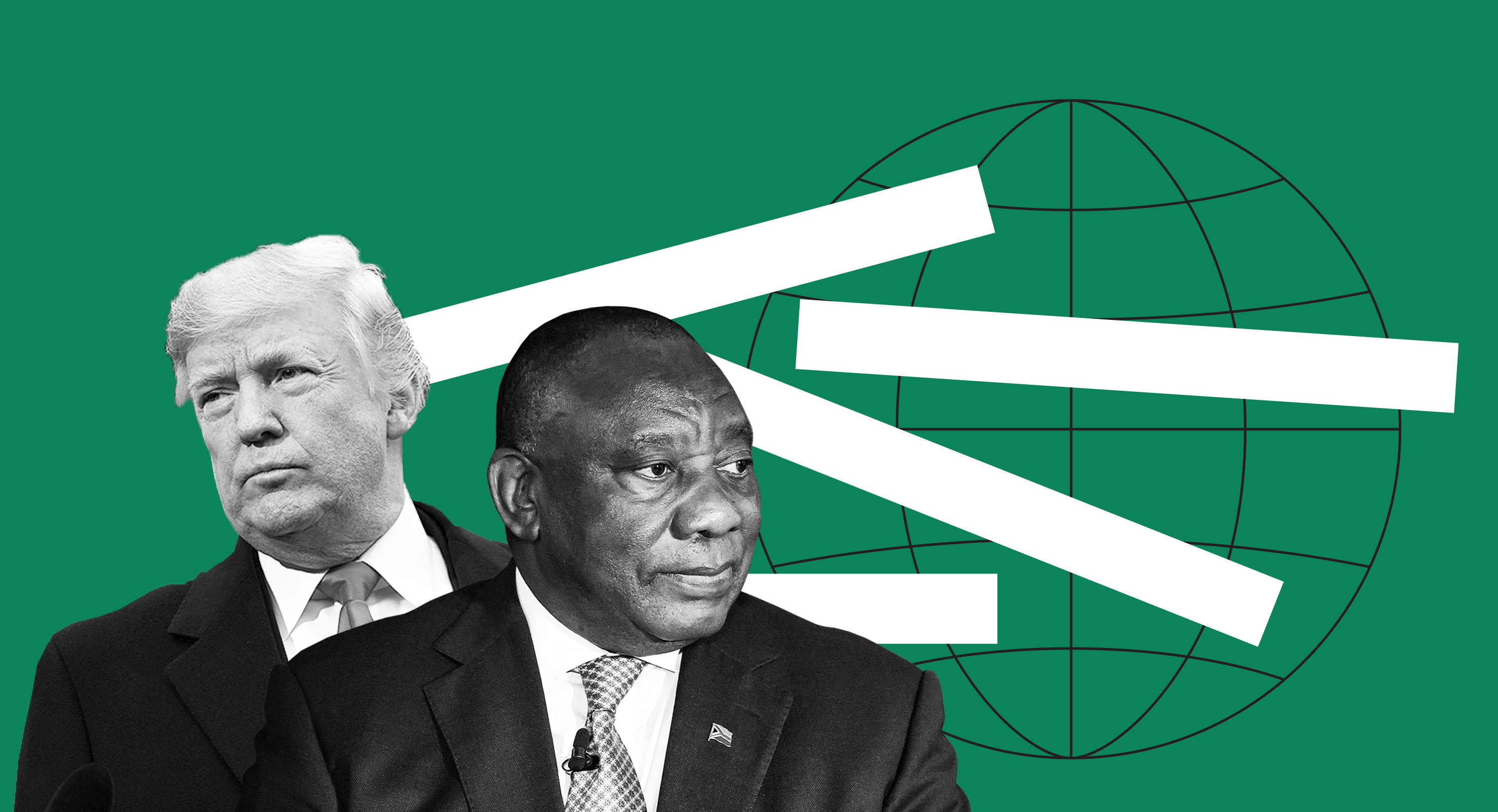
TL;DR: Secretary of State Marco Rubio’s Freedom Day greeting suggests a milder U.S. stance toward South Africa, yet experts warn the change is largely symbolic.
Context
On South Africa’s Freedom Day, Secretary of State Marco Rubio delivered a greeting that departed from months of sharp criticism over land reform and race‑based policies. The softer language sparked speculation about a diplomatic reset between Washington and Pretoria.
Key Facts
Rubio’s message coincided with a visit by U.S. Ambassador to South Africa Brent Bozell III, who praised South Africa’s ambassador‑designate Roelf Meyer as “a man of vision and exactly what the president needs.” Bozell met Meyer at the U.S. embassy and highlighted Meyer’s strategic value for President Cyril Ramaphosa’s outreach in Washington.
Analyst John Matisonn described Meyer’s appointment as “very strategic,” noting that Meyer could become the voice of white Afrikaners in the U.S. and complicate criticism of South Africa’s policies. He added that Meyer is expected to pursue trade interests while staying aligned with the Ramaphosa government.
Matisonn cautioned against celebrating the tone shift, reminding that U.S. President Donald Trump ultimately sets policy direction and could reverse course at any time. He urged observers to “hold the champagne” until concrete actions appear.
Bozell’s early weeks included visits to Robben Island, the Apartheid Museum and District Six Museum, efforts aimed at understanding South Africa’s history and improving his local standing. He acknowledged arriving “very unpopular” and stressed the need to build a sustainable diplomatic presence.
Unresolved issues persist: U.S. concerns over race‑based economic policies, trade and investment conditions, broader geopolitical alignments, and South Africa’s independent foreign‑policy stance. Washington remains focused on investment rules that affect shareholding structures, while Pretoria is expanding ties with Europe, signaling a diversified partnership approach.
Reports indicate roughly 5,000 white South Africans have relocated to the United States under a controversial programme that uses race‑based criteria. The migration figures add a political undercurrent to the bilateral relationship, raising questions about the motives behind the U.S. policy.
What It Means
Rubio’s greeting may open a window for more constructive dialogue, but analysts agree that substantive policy gaps remain. The appointment of Roelf Meyer could provide a diplomatic conduit for trade talks, yet the broader U.S.‑South Africa relationship stays in a holding pattern. Watch for any concrete policy moves from Washington or Pretoria in the coming months, especially regarding trade regulations and the handling of race‑based economic measures.
Continue reading
More in this thread
Tanzania and Belarus Confirm New Embassy, Medical Partnership, and Flight Talks
Nadia Okafor
Trump Administration Labels Australia's News Levy 'Foreign Extortion' as Albanese Defends Policy
Nadia Okafor
Trump administration calls Australia’s news levy ‘foreign extortion’ as Albanese defends journalists’ rights
Nadia Okafor
Conversation
Reader notes
Loading comments...