AI Models Sharpen Prediction of Sudden Cardiac Arrest Risk
AI models that combine EKG and health records raise sudden cardiac arrest prediction from 1 in 1,000 to 1 in 100, identifying 153 of 228 high‑risk patients in a real‑world test.
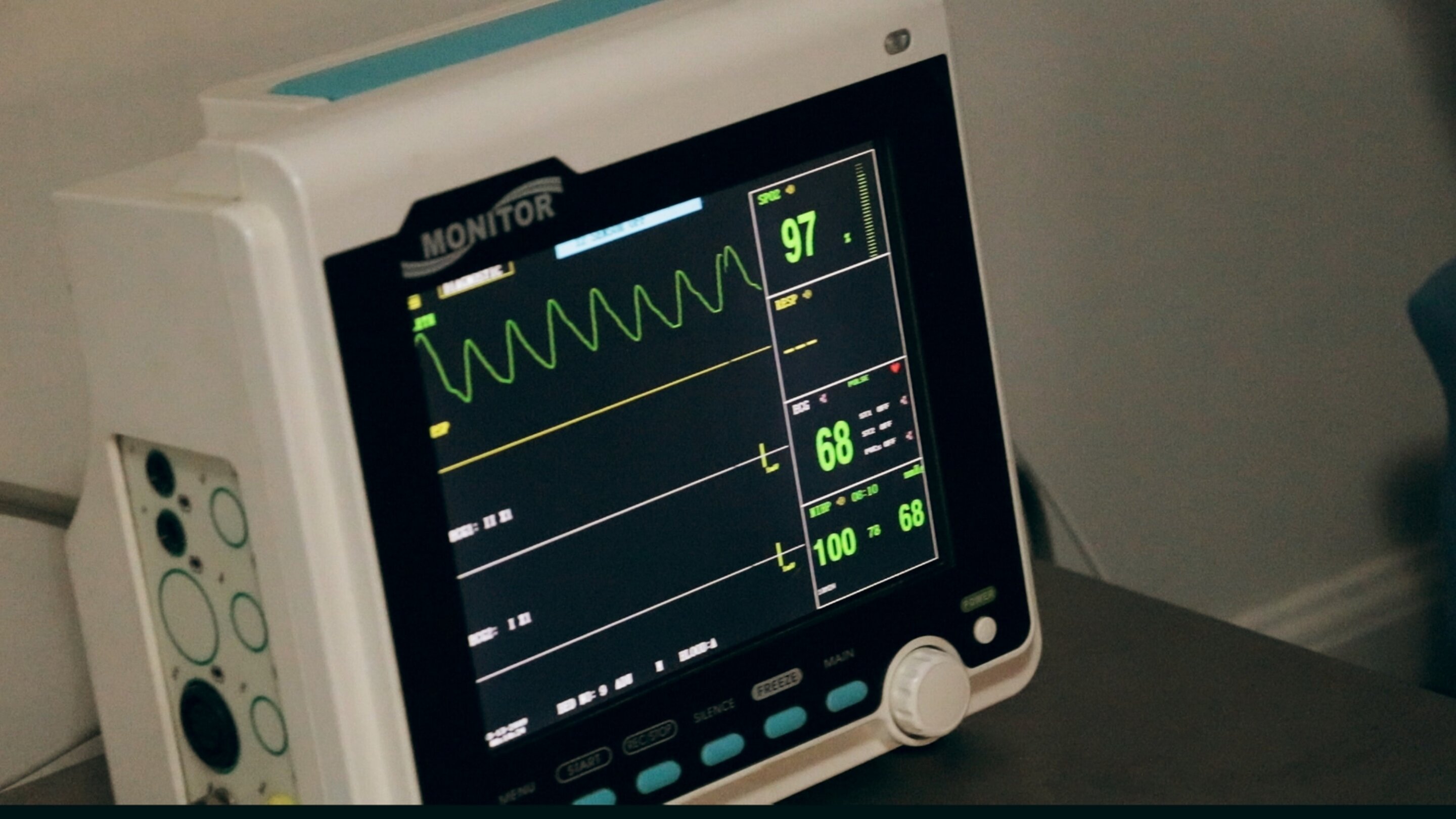
TL;DR: AI models that analyze EKGs and electronic health records can flag individuals whose risk of sudden cardiac arrest rises from about 1 in 1,000 to 1 in 100. In a real‑world test, the combined model correctly identified 153 of 228 patients who later suffered cardiac arrest.
Context: Sudden cardiac arrest causes over 400,000 deaths each year in the United States and has a survival rate of only 10%. It often strikes people with no known heart disease, making early prediction difficult. Researchers sought to use artificial intelligence to sift through routine clinical data for hidden risk signals.
Key Facts: The study used three AI models trained on electronic health records (EHR) and electrocardiograms (EKG). The training cohort included 993 patients who had out‑of‑hospital cardiac arrest between 2013 and 2021 and 5,479 age‑ and sex‑matched controls. A testing cohort of 463 cases and 2,979 controls confirmed the models’ risk patterns. The real‑world cohort comprised 39,911 individuals who received an EKG in 2021; among them, 228 later experienced cardiac arrest. The combined EHR–EKG model correctly identified 153 of those 228 high‑risk cases. Lead investigator Dr. Neal Chatterjee noted that this shifts prediction from roughly 1 in 1,000 to 1 in 100. The AI‑enhanced EKG alone also showed strong predictive ability, only slightly lower than the combined model.
What It Means: For clinicians, the models offer a way to spotlight patients who might benefit from closer review of medications, electrolyte levels, or substance use—factors the AI identified as risk contributors beyond traditional heart disease. For the public, the advance suggests that routine EKGs could someday serve as a low‑cost screening tool in diverse communities. However, the study’s data came from a single health care system, limiting generalizability, and the real‑world test only included people who already had an EKG. Researchers stress that further work is needed to decide what follow‑up actions—such as additional testing, monitoring, or interventions—are appropriate when a model flags elevated risk.
What to watch next: Future studies will test whether acting on AI‑generated risk alerts improves outcomes and whether the models perform equally well across different demographics and health‑care settings.
Continue reading
More in this thread
AI Models Boost Cardiac Arrest Risk Prediction to 1 in 100
Dr. Priya Sharma
AI‑Designed Handheld Microscope Expands Field of View and Depth for Real‑Time Cancer Detection
Dr. Priya Sharma
AI‑Powered Handheld Microscope Expands Depth of Field for Early Cancer Detection
Dr. Priya Sharma
Conversation
Reader notes
Loading comments...