AI Models Boost Cardiac Arrest Risk Prediction to 1 in 100
AI models using health records and EKG data predict sudden cardiac arrest risk with 1 in 100 accuracy, flagging about 67% of future cases in a U.S. cohort. Findings suggest new screening avenues.
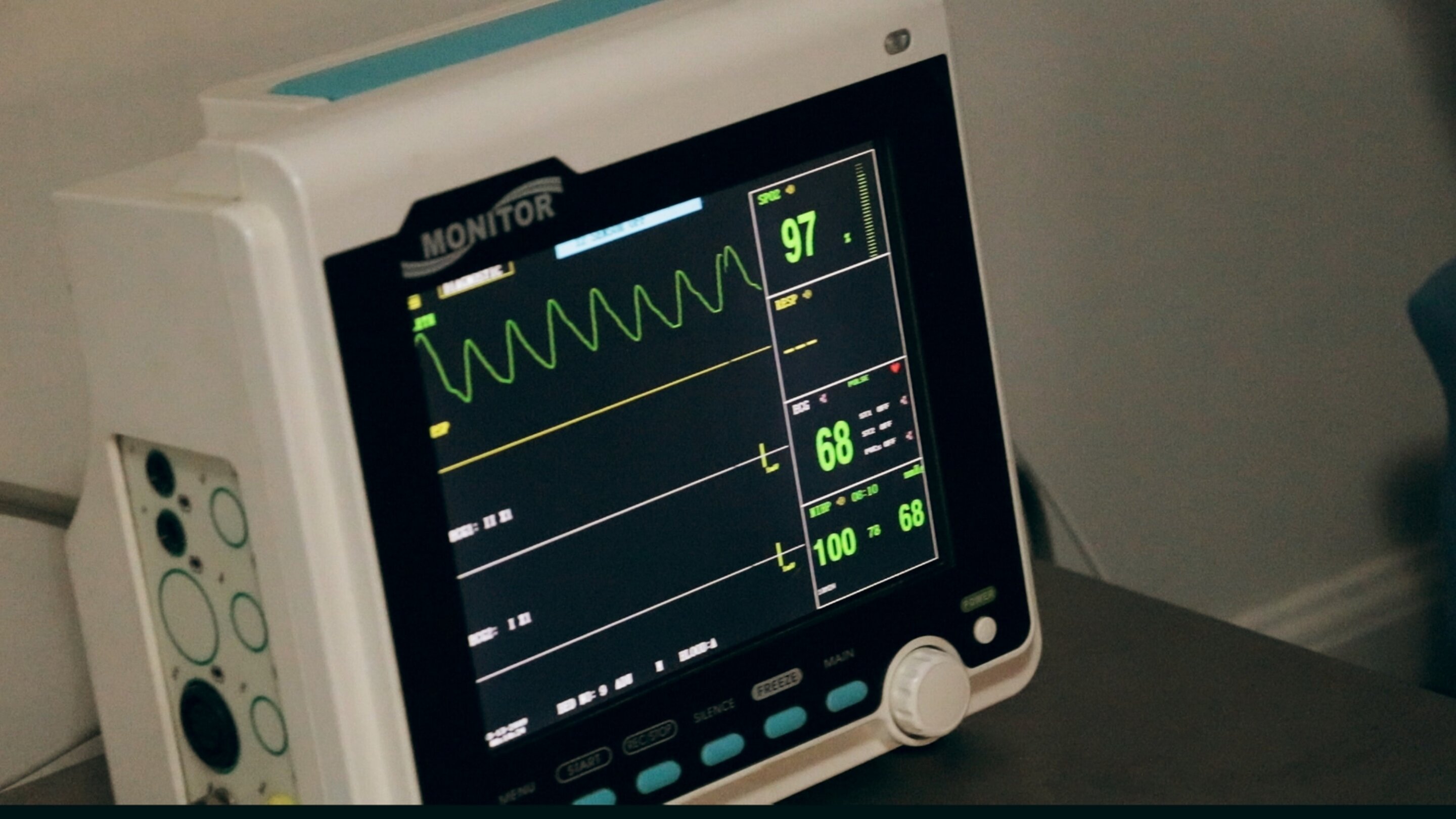
TL;DR: AI models that analyze electronic health records and electrocardiograms can predict sudden cardiac arrest risk with 1 in 100 accuracy, correctly flagging about two‑thirds of future cases in a real‑world U.S. cohort.
Context Sudden cardiac arrest kills more than 400,000 people in the United States each year and often strikes without warning. Researchers trained three artificial intelligence models—one using only EKG data, one using only electronic health record (EHR) features, and a combined model—on data from nearly 6,500 patients who had experienced cardiac arrest and matched controls. Researchers then tested the models on a separate group of over 3,400 patients and finally applied them to a real‑world set of almost 40,000 individuals who received an EKG in 2021.
Key Facts The combined EHR–EKG model predicted cardiac arrest risk with an accuracy of 1 in 100, a marked improvement over existing risk scores that typically estimate about 1 in 1,000. In the real‑world cohort of 39,911 patients, the model identified 153 of the 228 individuals who later suffered cardiac arrest, yielding a sensitivity of 67 %. The study design is a retrospective cohort, showing association only, and researchers did not conduct a randomized controlled trial.
What It Means For clinicians, the AI tool could highlight patients who merit closer review of medications, electrolyte levels, or substance use—factors the model flagged beyond traditional heart‑disease risks. For the public, a 1 % risk estimate may prompt earlier conversations with doctors about preventive steps, though the findings come from a single health‑care system, so performance in other populations remains uncertain. Future work should test whether acting on AI‑generated alerts improves survival and determine the best follow‑up actions, such as targeted screening or wearable monitoring.
What to watch next Researchers plan prospective studies to see if interventions guided by the AI predictions reduce actual cardiac arrest rates and to evaluate the model’s effectiveness in diverse demographic groups.
Continue reading
More in this thread
AI Models Sharpen Prediction of Sudden Cardiac Arrest Risk
Dr. Priya Sharma
AI‑Designed Handheld Microscope Expands Field of View and Depth for Real‑Time Cancer Detection
Dr. Priya Sharma
AI‑Powered Handheld Microscope Expands Depth of Field for Early Cancer Detection
Dr. Priya Sharma
Conversation
Reader notes
Loading comments...