Yorkshire Solar Inquiries Surge Tenfold as Oil Prices Spike
Yorkshire solar firms report a ten‑fold rise in enquiries and 50% sales increase as oil prices soar following the Iran conflict.
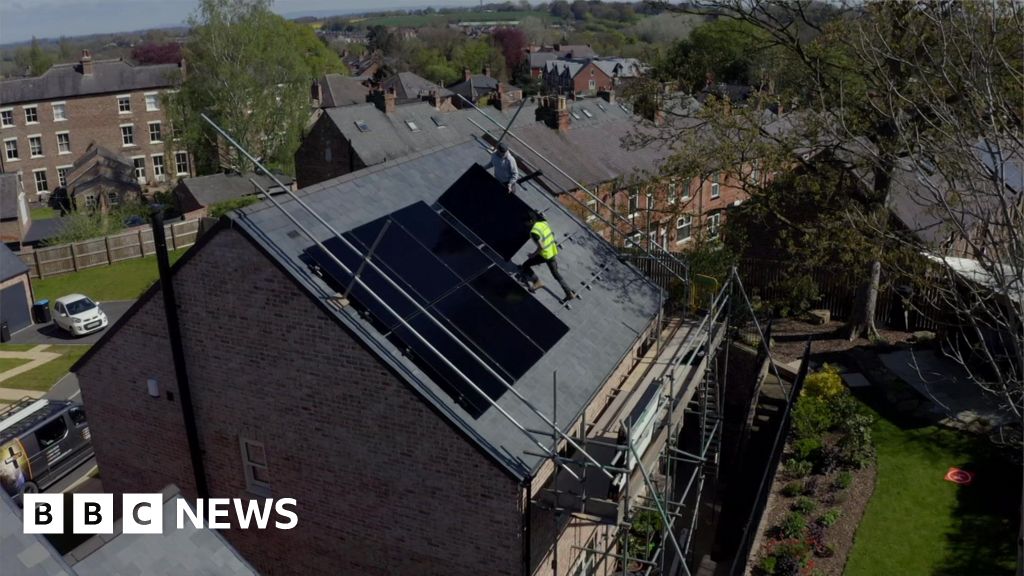
People on scaffolding installing solar panels to a house's roof.
TL;DR
Yorkshire solar installers see inquiries jump from 15 to 150 per month and sales rise 50% as oil prices surge after the Iran‑driven crisis.
Context Homeowners across the UK are turning to solar panels to hedge against volatile fuel costs. The US‑Israel war with Iran has effectively closed the Strait of Hormuz, a chokepoint for roughly 20% of global oil and liquefied natural gas shipments. Crude prices have climbed sharply, prompting consumers to seek alternatives that lower dependence on imported oil.
Key Facts - Mark Houldsworth, managing director of Solar Plus Yorkshire, said his firm normally fields 15 enquiries each month but recorded about 150 in April alone. He attributes the surge to customers seeking cost savings and a sense of control over their energy supply. - Octopus Energy reported a 50% increase in solar panel sales, mirroring the trend seen in regional installers. - Gavin Andrews of Leeds Solar noted a 50% rise in enquiries since the Iran conflict began, describing the volume as double the same period last year. - Homeowner Chris Simpson, who accelerated his own installation after the war began, said personal generation reduces reliance on unstable global markets. - Industry observers warn that supply chain constraints could temper growth. Most panels are manufactured in China and shipped to the UK, and any disruption could cause stock shortages. - Consumer‑advocate Emily Seymour advises prospective buyers to commission an independent feasibility survey and obtain multiple quotes before committing.
What It Means The tenfold jump in enquiries signals a rapid shift in consumer behaviour, with energy security overtaking traditional cost calculations. While the immediate demand boost benefits installers, the reliance on Chinese‑made panels introduces a vulnerability; any export slowdown could stall installations and drive prices up. Monitoring oil price trajectories and supply‑chain developments will indicate whether the solar surge sustains or recedes.
Looking ahead, analysts will watch for changes in oil market dynamics and any policy responses that could further accelerate residential solar adoption in the UK.
Continue reading
More in this thread
Conversation
Reader notes
Loading comments...