Brent Crude Hits $126 as US Plans Short, Powerful Strikes on Iran
Brent crude rose to $126.31 per barrel as US Central Command readied short, powerful strikes on Iran, pushing wholesale petrol costs to record levels.
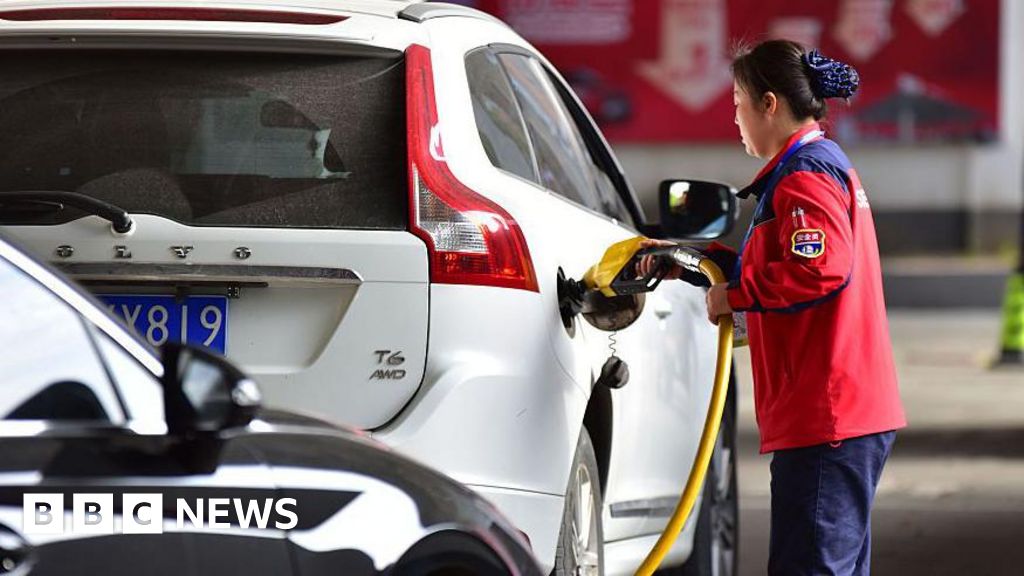
A female petrol station attendant refuels a white car
TL;DR: Brent crude jumped to $126.31 a barrel, its highest since Russia’s 2022 invasion of Ukraine, after reports that US Central Command has readied a wave of short, powerful strikes on Iran.
The market reacted sharply to news that US military planners are preparing a rapid strike campaign aimed at breaking a deadlock in negotiations with Tehran. The plan, described by US Central Command as “short and powerful,” targets Iranian infrastructure and could include actions to reopen the Strait of Hormuz, a chokepoint through which roughly 20 % of global oil and liquefied natural gas passes.
Brent crude rose almost 7 % to $126.31 per barrel, the highest level since the onset of Russia’s full‑scale invasion of Ukraine. The price later retreated to around $114, but the spike underscored market sensitivity to any escalation in the Middle East. Futures for June delivery, which expire Thursday, traded near the peak, while the more active July contract hovered around $109.
In the United Kingdom, the ripple effect is already visible. RAC’s head of policy, Simon Williams, warned that wholesale petrol costs have now surpassed any level seen since the war began, making it the most expensive fuel for retailers to purchase. Pump prices have fallen slightly, but the underlying cost pressure remains. Diesel, by contrast, has slipped 3 pence per litre and sits below its wartime wholesale peak, suggesting a modest relief for that market.
Higher oil prices threaten to widen beyond fuel. The UK government has flagged potential increases in household energy bills, food costs, and airline fares. Fertiliser prices are climbing as urea shipments face disruptions, a development that could push agricultural input costs higher and feed through to grocery shelves.
Analysts note that oil prices near $125 per barrel tend to trigger heightened concern among businesses and policymakers. The current surge may prompt renewed diplomatic pushes to de‑escalate, but the presence of a US strike plan keeps the risk of further supply shocks on the table.
What it means: The combination of a possible US military strike on Iran and the resulting oil price spike places pressure on global supply chains, from fuel to food. Watch for any official statements from Washington or Tehran that could either calm or inflame markets, and monitor the June Brent futures contract as it approaches expiry.
Continue reading
More in this thread
Conversation
Reader notes
Loading comments...