William Greaves’ Harlem Renaissance Documentary Premieres at Cannes 50 Years After Filming
William Greaves’ unfinished Harlem Renaissance documentary, Once Upon a Time in Harlem, premieres at Cannes Directors’ Fortnight, completed by his son David and granddaughter Liani.
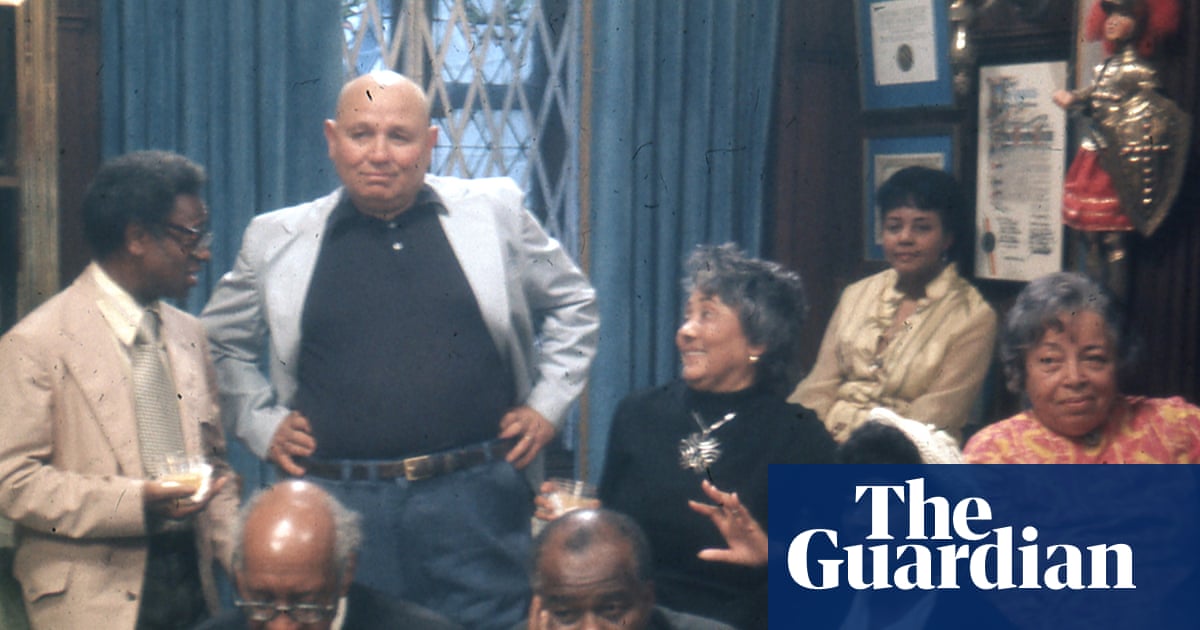
William Greaves’ Harlem Renaissance documentary, Once Upon a Time in Harlem, premieres at Cannes Directors’ Fortnight fifty years after it was shot, completed by his son David and granddaughter Liani. The film records a 1972 cocktail party where surviving Harlem Renaissance figures debated identity, art, and politics.
Context
In 1969 William Greaves criticized Hollywood’s racist stereotypes and vowed to let Black creators tell their own stories. Three years later he gathered surviving Harlem Renaissance figures at Duke Ellington’s Harlem townhouse for a marathon conversation.
He invited painters, writers, musicians and organizers—Aaron Douglas, Richard Bruce Nugent, Arna Bontemps, Eubie Blake, Noble Sissle, James Van Der Zee and Ida Mae Cullen—many of whom had not seen each other for decades. Over four hours they laughed, reminisced and argued about the movement’s legacy.
The footage sat unused for Greaves’ 1974 film From These Roots, and though he made dozens of other works, he never finished the Harlem project before his death in 2014.
Key Facts
After William’s passing, his widow Louise passed the material to his son David, who worked on the original shoot as a twenty‑two‑year‑old cameraman. David and his daughter Liani restored and digitized 60,000 feet of 16mm film to shape the final cut.
The documentary premiered internationally at Cannes Directors’ Fortnight, marking its first global showing. In the film, guests debate whether to discard the term “Negro” in favor of “Afro‑American,” a discussion David says mirrors today’s debates over Black, African American and people of colour.
David notes the conversation feels strikingly current, pointing to parallels between Haile Selassie’s 1936 aid appeal and Volodymyr Zelenskyy’s recent quest for international support.
What It Means
The film arrives as battles over Black history intensify in the United States, with critics accusing politicians of trying to erase African‑American narratives from public spaces. By showing Harlem Renaissance intellectuals reflecting on their own present, the documentary offers a counter‑argument to those erasures.
Its loose, freewheeling style—four cameras catching spontaneous moments—preserves the authenticity of the participants’ voices, making the historical debate feel immediate rather than archival.
Audiences can expect the film to spark renewed conversation about how language shapes identity and how past struggles inform current activism. What to watch next: potential distribution deals, festival circuit stops, and community screenings that could bring the documentary to classrooms and public forums across the UK and beyond.
Continue reading
More in this thread
Harlem Renaissance Documentary 'Once Upon a Time in Harlem' Premieres at Cannes After 50‑Year Wait
Jordan Blake
Forza Horizon 6 Uses 360-Degree Cameras and Cultural Consultant to Recreate Japan
Jordan Blake
AI’s “I Am” Line Mirrors Descartes in a Two‑Millennium Leap
Jordan Blake
Conversation
Reader notes
Loading comments...