Harlem Renaissance Documentary 'Once Upon a Time in Harlem' Premieres at Cannes After 50‑Year Wait
Greaves’ Harlem Renaissance footage debuts at Cannes Directors’ Fortnight, finished by son David and granddaughter Liani, sparking talk on Black identity
TL;DR
The documentary *Once Upon a Time in Harlem* premiered at Cannes Directors’ Fortnight, more than 50 years after William Greaves filmed Harlem Renaissance figures. Completed by his son David and granddaughter Liani, the film revives debates on Black identity and draws parallels between historic and modern calls for international support.
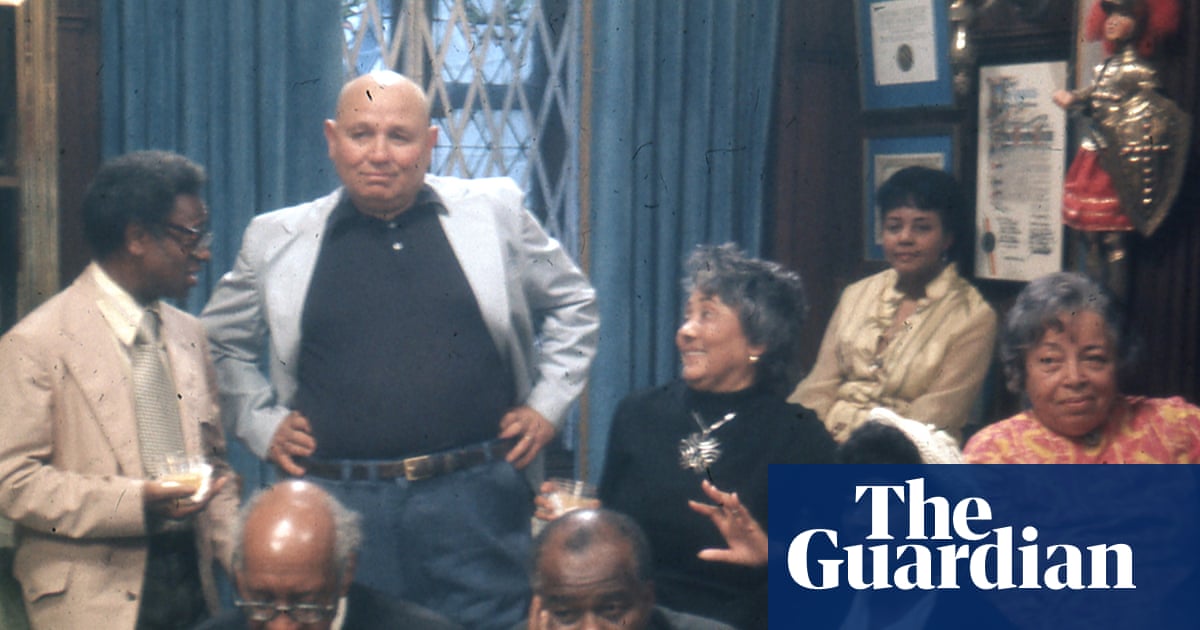
Context In 1972, William Greaves turned a Harlem cocktail party into a rare record of Renaissance voices, inviting surviving artists, writers and musicians to reflect on their legacy. He intended the footage for a documentary that would counter racist stereotypes in mainstream media. The project sat unfinished after his death in 2014.
The footage remained in the family archive until David Greaves and his daughter Liani edited it into a feature film. Their work preserved the candid conversations captured over four hours, ranging from music to politics. The result is a loose, party‑like record of voices that shaped 1920s Black culture.
Key Facts The film had its international premiere at Cannes Directors’ Fortnight, a sidebar section of the festival that highlights emerging directors. This marks the first time the documentary has been shown outside the United States.
David Greaves noted that the debate over whether to call themselves Black or Negro continues today, reflecting ongoing discussions about Black, African American, and people of colour identities. He also compared Haile Selassie’s 1936 appeal for aid after Italy’s invasion of Ethiopia to Volodymyr Zelenskyy’s effort to secure international support following Russia’s invasion of Ukraine.
What It Means The documentary offers a direct window into how Harlem Renaissance figures viewed their own cultural impact and the challenges they faced. Their candid remarks about language, pan‑African solidarity, and artistic innovation remain relevant to contemporary conversations.
By linking past anti‑colonial appeals to modern wartime diplomacy, the film invites viewers to consider how struggles for recognition and support evolve over time. It also underscores the short generational distance between historic racial violence and today’s political debates.
Audiences will watch for how the film influences upcoming discussions on Black cultural heritage and whether it secures broader distribution beyond the festival circuit.
Continue reading
More in this thread
William Greaves’ Harlem Renaissance Documentary Premieres at Cannes 50 Years After Filming
Jordan Blake
Forza Horizon 6 Uses 360-Degree Cameras and Cultural Consultant to Recreate Japan
Jordan Blake
AI’s “I Am” Line Mirrors Descartes in a Two‑Millennium Leap
Jordan Blake
Conversation
Reader notes
Loading comments...